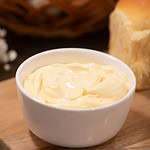
Easy Homemade Mayonnaise (how to make step-by-step)
This foolproof homemade mayonnaise recipe offers step-by-step instructions and options, including an eggless vegan version. Make it in the comfort of your own kitchen and say goodbye to store-bought mayo. Gather your ingredients, and let's make some delicious homemade mayonnaise!
Servings: 1 cup
Calories: 27kcal
Ingredients
- 1 large egg at room temperature
- 2 tsp dry mustard powder or 2-3 tbsp regular mustard or Dijon mustard
- 1 tablespoon white wine vinegar or Apple Cider Vinegar
- ½ teaspoon sea salt or more to taste
- 1 cup 240ml neutral flavored oil - sunflower or grape seed oil (a neutral oil)
- 1 teaspoon fresh lemon juice optional, can be omitted
Instructions
- Gather all your ingredients and tools. It’s important to have everything ready before you start, as the process moves quickly.
- Crack open your room temperature egg and place it in a wide-mouth jar or food processor.
- Add the oil, mustard, vinegar, and salt. If you’re using fresh lemon juice, add it now. You can also add garlic or herbs for a flavored mayo.
- Place the immersion blender at the bottom of the jar. Begin blending on low speed, slowly lifting the blender as the mayo thickens. This should take just a few seconds.
- Once the mayo has thickened, taste and adjust seasoning. If it’s too thick, you can add a little cold water to thin it out to your desired consistency.
- Transfer the mayonnaise to an airtight container and refrigerate. It’s best used within a week, so make only what you need.
Video
Notes
Nutrition
Serving: 1g | Calories: 27kcal | Carbohydrates: 1g | Protein: 1g | Fat: 2g | Polyunsaturated Fat: 2g | Cholesterol: 12mg | Sodium: 142mg | Sugar: 1g