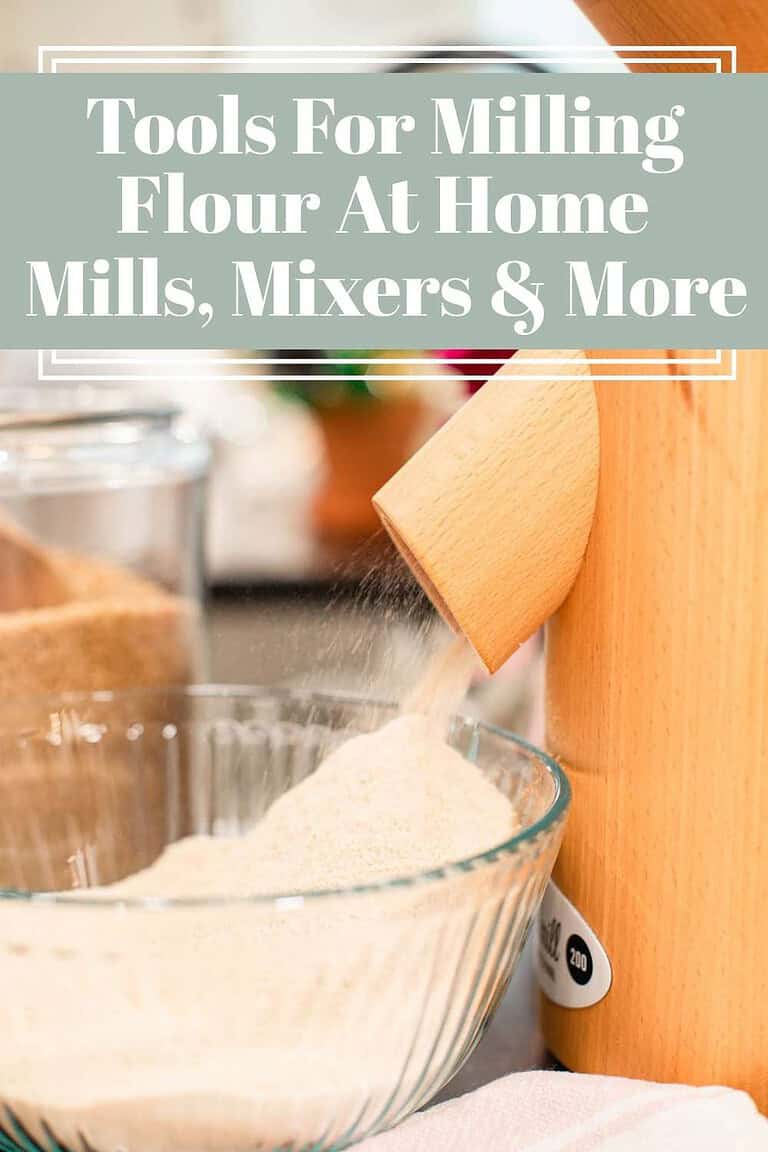

Today, there are many more trustworthy places to buy wheat berries and whole grains, and this guide will help you know exactly where to begin.
When I first began milling flour, the only option I had was ordering wheat berries online from Bread Beckers. Later, I discovered their local co-op that drop-shipped three times a year, and that steady rhythm became the foundation of how I stocked my pantry.
This post may contain affiliate links. Please read our disclosure policy for details.
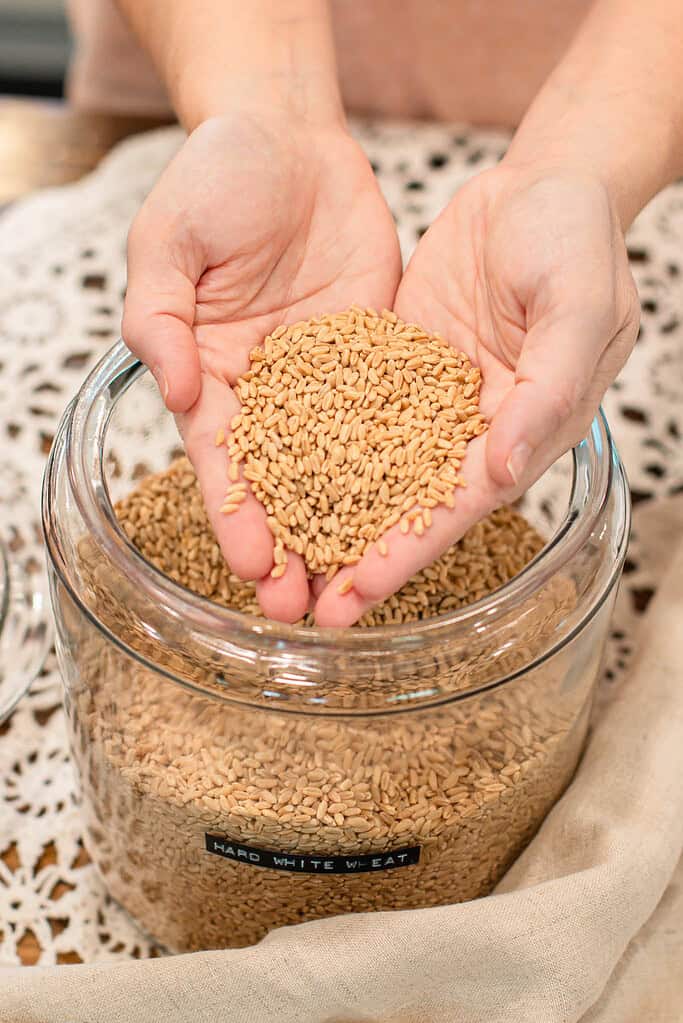
If you’re brand-new to all this, you might want to peek at Storing Wheat Berries for Long & Short-Term Use first; it’s like a quick safety net for your pantry.
And if you’re still wondering what whole grains to mill your own flour, Best Whole Grains to Mill at Home for Freshly Milled Flour will give you a clear picture of what to expect with each grain.
A Cottage Milling Note
When I first dipped my toes into the world of buying whole grains, I can still remember staring at 50 lb. bags of hard red wheat and hard white wheat and thinking, “Now what?” If that sounds familiar, know you’re not alone.
Over the years, I’ve learned that stocking bulk grains doesn’t have to be complicated, it just takes a little rhythm one step at a time. I treat it the way some people treat seasonal canning or meal prepping: restock every few months, rotate what’s in storage, and always have a backup bucket tucked away. And honestly? Having a pantry full of wheat berries gives me peace of mind. It means I can wake up any morning, mill flour, and know fresh bread is only hours away.
My hope is that this guide helps you skip the overwhelm and jump straight to confidence. Whether you’re buying your first small bag or stacking 50lb pails in your basement thus guide will help you.
Let’s walk through the options together so you can find the one that makes your kitchen feel cozy and ready to mill any time day or night.
Why You’ll Love This Guide
Best Places to Buy Wheat Berries Online
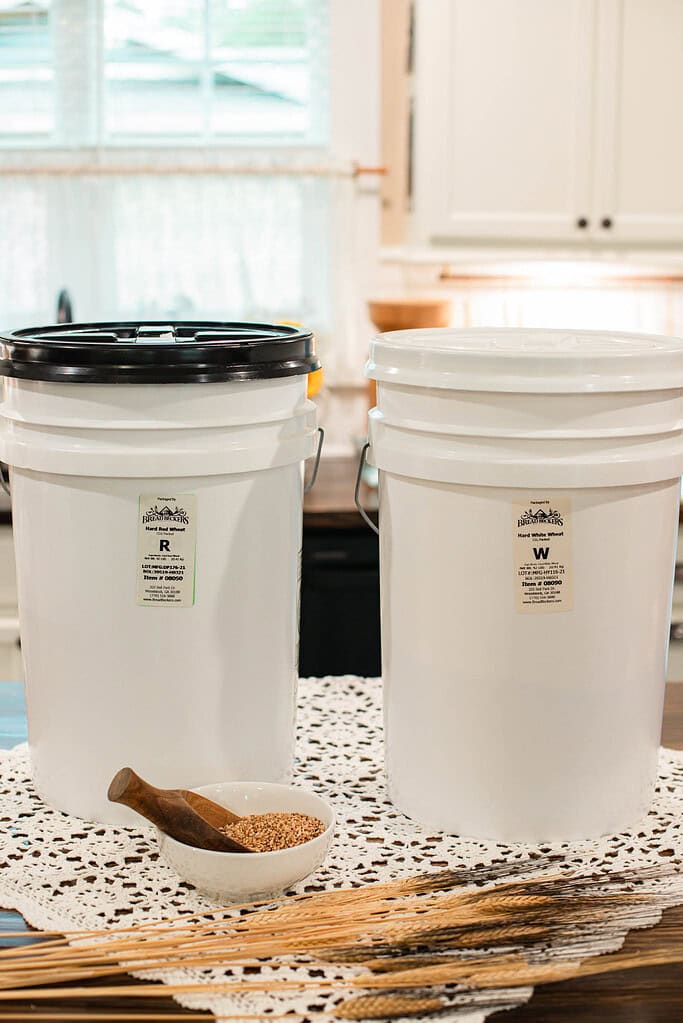
Bread Beckers – A grain supplier with consistent quality and excellent educational YouTube and Podcasts. Offers direct shipping and co-op pickups, plus 6-gallon CO₂-sealed buckets that are ready for long-term storage with minimal extra steps.
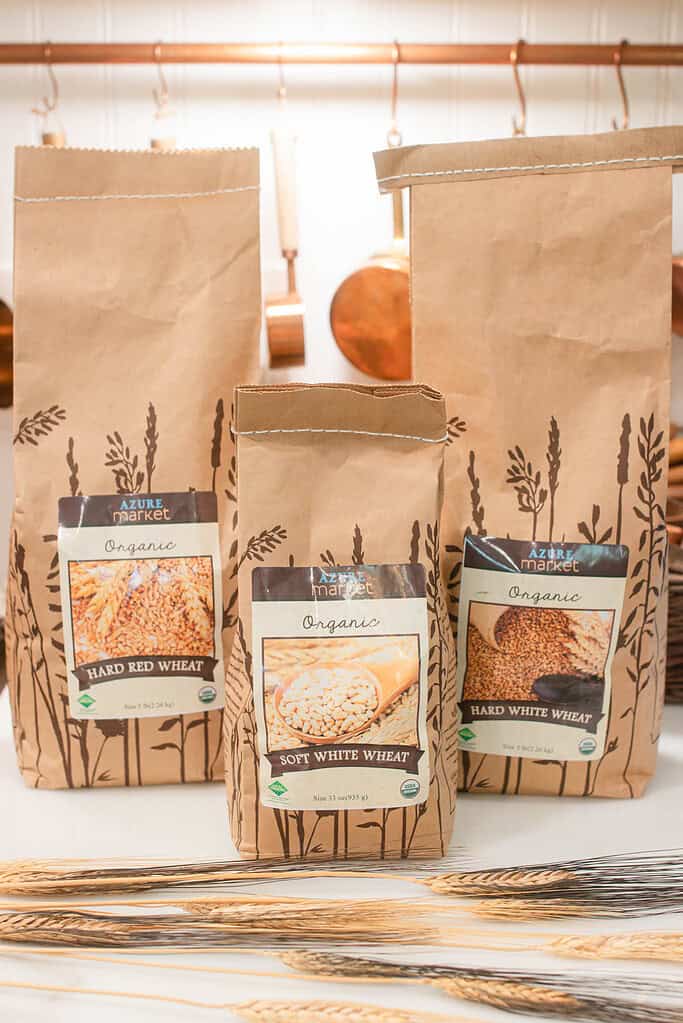
Azure Standard – Co-op ordering with monthly local truck drops, easy to keep a pantry on rhythm. Wide selection from hard red/white to heirloom grains, plus buckets, Gamma lids, oxygen absorbers, Mylar bags, and diatomaceous earth for one-stop orders.
Guardian Grains – Regenerative, family-run farm known for Rouge de Bordeaux (a heritage wheat many bakers love for sourdough boules). Ships nationwide, local pickup if you’re nearby, and offers reliable protein and flavor consistency — use code: cottage for 15% off.
Breadtopia – Community favorite for home milling and sourdough. Carries hard red/white, spelt, rye, and other heritage grains in manageable sizes, plus tools and how-to resources that make it beginner-friendly.
Central Milling – Artisan-quality, organic wheats trusted by pro bakeries but available in home-baker sizes too. Strong, high-protein options when you want bakery-grade performance.
Palouse Brand – Fifth-generation Washington farm offering non-GMO, pesticide-free grains (hard white, soft white, red winter/spring). Sturdy packaging, reliable freshness, and bulk boxes (25 lb and more) alongside smaller bags.
Grand Teton Ancient Grains – Straightforward source for big “super pails” (43 lb) and a good range of wheats plus spelt and kamut. Solid choice when you want to stock once and bake for months.
Farmer’s Storehouse – Organic bulk grain supplier with year-round staples (wheat, rye, oats, and more). Helpful for building or refilling a long-term pantry with certified organic options.
Barton Springs Mill – Regionally grown, stone-milled heritage grains with standout flavor. Excellent for bakers who want character and a strong sense of place in their loaves.
Janie’s Mill – Small-batch, organic, family-run mill with very fresh grains and flours. Great way to explore varieties beyond standard hard red/white.
Maine Grains – Northeast-grown grains (oats, rye, wheat) with a rustic, hearty profile. Good source when you want regional grains and careful sourcing.
Jovial Foods – Einkorn specialists offering whole berries and flour. Einkorn’s buttery flavor shines in pasta, flatbreads, and blended breads.
Bluebird Grain Farms – Organic einkorn and emmer grown in Washington’s Methow Valley. Consistent quality for heritage-grain baking.
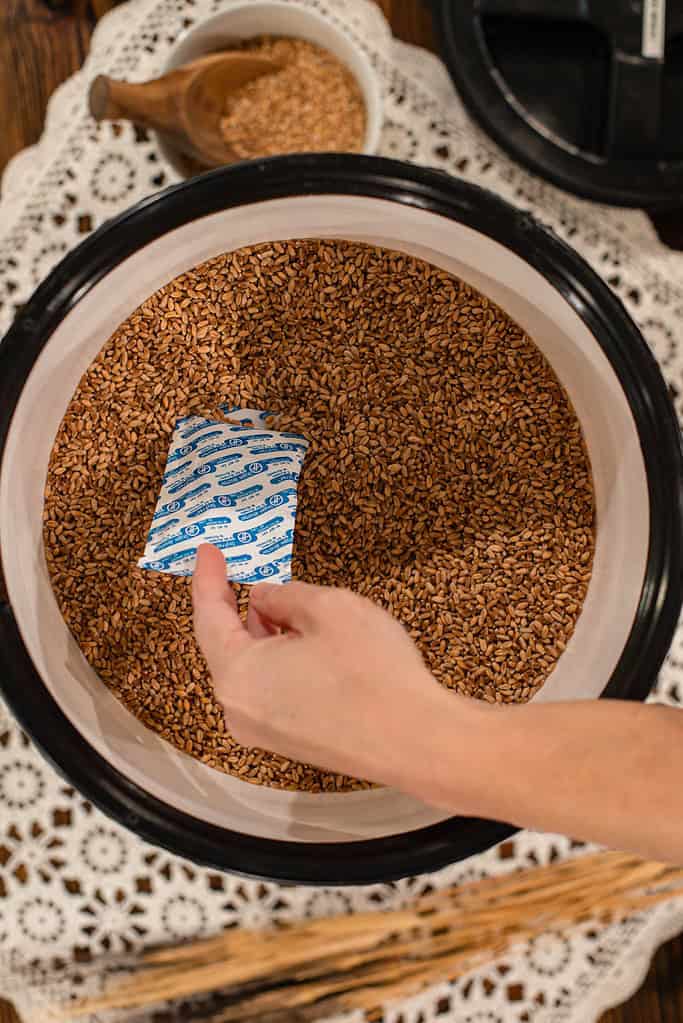
How I Prep My Bulk Grains
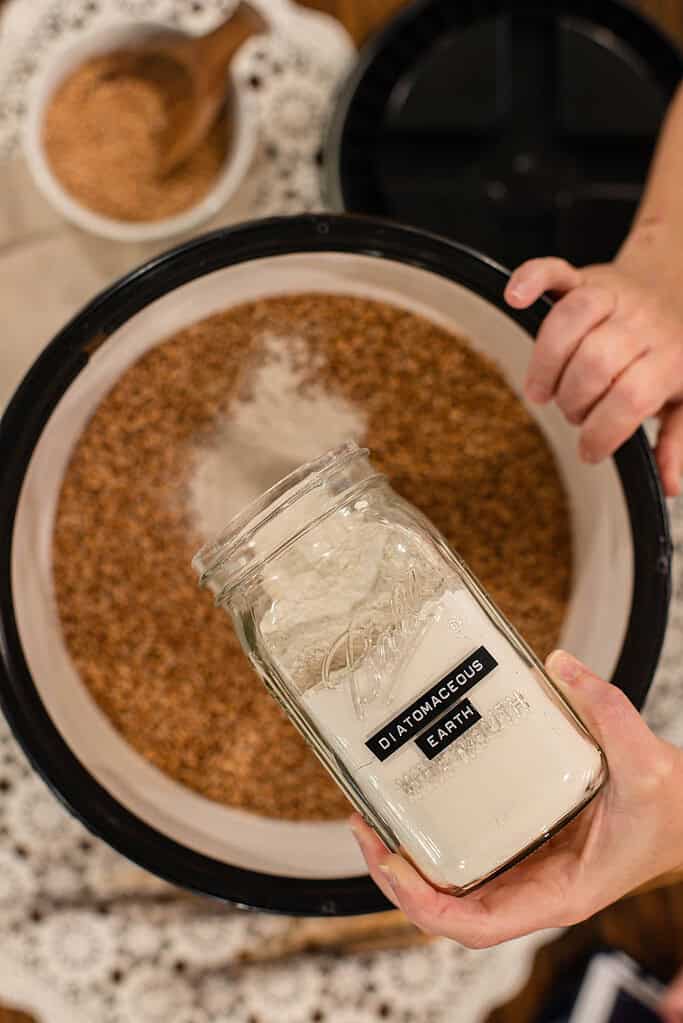
As soon as bulk grain arrives, I transfer it right away for freshness and protection. Here’s the routine I follow every time:
- Start with a food-grade bucket (5–6 gallon size).
- Pour in half of the grain.
- Sprinkle a light layer of food-safe diatomaceous earth (DE).
- Add the rest of the grain, then sprinkle a second light layer of DE on top.
- Slip in a 2,000–2,500 cc oxygen absorber (the right size for a 5-gallon bucket).
- Seal with a Gamma lid, which makes the bucket airtight while still easy to open and close.
- Store off the floor in a cool, dry, climate-controlled space.
Note: If you buy Bread Beckers’ CO₂-sealed 6-gallon buckets, they’re already designed for long-term storage. Once you open them, I still recommend adding a Gamma lid to keep things airtight and pest-free, plus a fresh oxygen absorber for extra protection.
Where to Buy Wheat Berries Locally
Amish and Mennonite bulk food stores – These shops often stock 25–50 lb bags of wheat berries at prices that beat most online sources. The grains move quickly, so you’ll usually find fresher stock. If you’re not sure, call ahead and ask what varieties they carry (hard red, hard white, or soft wheat).
Local co-ops – Many natural food co-ops work with suppliers like Azure Standard or Bread Beckers. Some will let you order through their bulk buying groups, saving you shipping costs. Co-ops are also a great way to connect with other bakers in your area.
Health food stores (Whole Foods, Natural Grocers, Sprouts) – These chains often carry smaller bags (2–5 lb) of organic wheat berries, spelt, rye, or kamut. The price per pound is higher, but it’s an easy way to experiment with different grains before committing to bulk orders.
Farmers’ markets & CSA shares – Some small regional farms sell wheat berries, rye, or heritage grains directly at market stalls or through their CSA programs. Ask farmers what varieties they grow, and don’t be afraid to test a smaller bag before buying larger quantities.
Local mills – If you’re fortunate to live near a regional mill (like Barton Springs in Texas or Maine Grains in the Northeast), many sell both flour and whole wheat berries. Buying directly often means fresher grain and a stronger connection to the growers.
TIP: Local sourcing can be hit-or-miss, but it’s worth exploring. Even if your local stores don’t stock wheat berries on the shelf, many will special-order for you if you ask.

Choosing the Best Wheat Berries for Your Needs
Beginner’s TIP
If you’re new, start with hard red + hard white. They’re the most versatile for bread, sourdough, and everyday baking. Once you feel comfortable, branch out into soft wheats for pastries or heritage grains for flavor exploration.
To help you with baking sourdough with freshly mill flour read this post: How to Bake Sourdough With Freshly Milled Flour | Easy Guide and to read in more about baking recipes with fresh flour: How to Bake with Freshly Milled Flour | Tips & Recipes is a wonderful baking guide.
How to Store Wheat Berries for Freshness
Practical routine
When I bring home bulk grain, I pour half into a food-grade bucket, sprinkle DE, add the rest, sprinkle again, tuck in an oxygen absorber, then seal with a Gamma lid. That bucket goes straight to a cool corner of my pantry, ready to feed my mill for months. For more step-by-step guidance, see this guide: Storing Wheat Berries for Long & Short-Term Use.
Don’t forget to pin this for later!
FAQ
Step into The Cottage Mill: Freshly Milled Flour Guides, Recipes, and More Await!

Cottage Living Newsletter
Join the Cottage Living Community
Seasonal recipes, cozy cottage projects, simple from-scratch living, and gentle inspiration for homemakers who crave a slower rhythm rooted in home and heart.
More Freshly Milled Flour Guides;
Did you liked this Fresh Milled Flour guide?
If you learned something valuable, I’d be so grateful if you would share with others. Use the buttons below to share, comment, or connect—I truly enjoy seeing and celebrating your fresh flour journey.
Thank you for spending time with me here at The Modern Day Cottage. My hope is that each guide helps you mill and bake with more confidence. May your jars be ever full, and your loaves rise high.
With love & gratitude,
Emily

Emily Rider
Cottage lifestyle blogger and home miller with 25+ years of sourdough and fresh-milled flour experience.
Sharing cozy homemade recipes that help you bake with confidence, celebrate each season, and savor the beauty of everyday cottage living.