
This post may contain affiliate links. Please read our disclosure policy.
Where to buy wheat berries that are clean, reliable, and suited for milling is one of the first questions new home millers ask, and this guide gives you a real answer based on decades of sourcing experience here at the cottage.
Every source listed here is one I have personally purchased wheat berries from, many of them since 1999, covering trusted online, bulk, and local options for home millers who want to mill fresh flour at home.
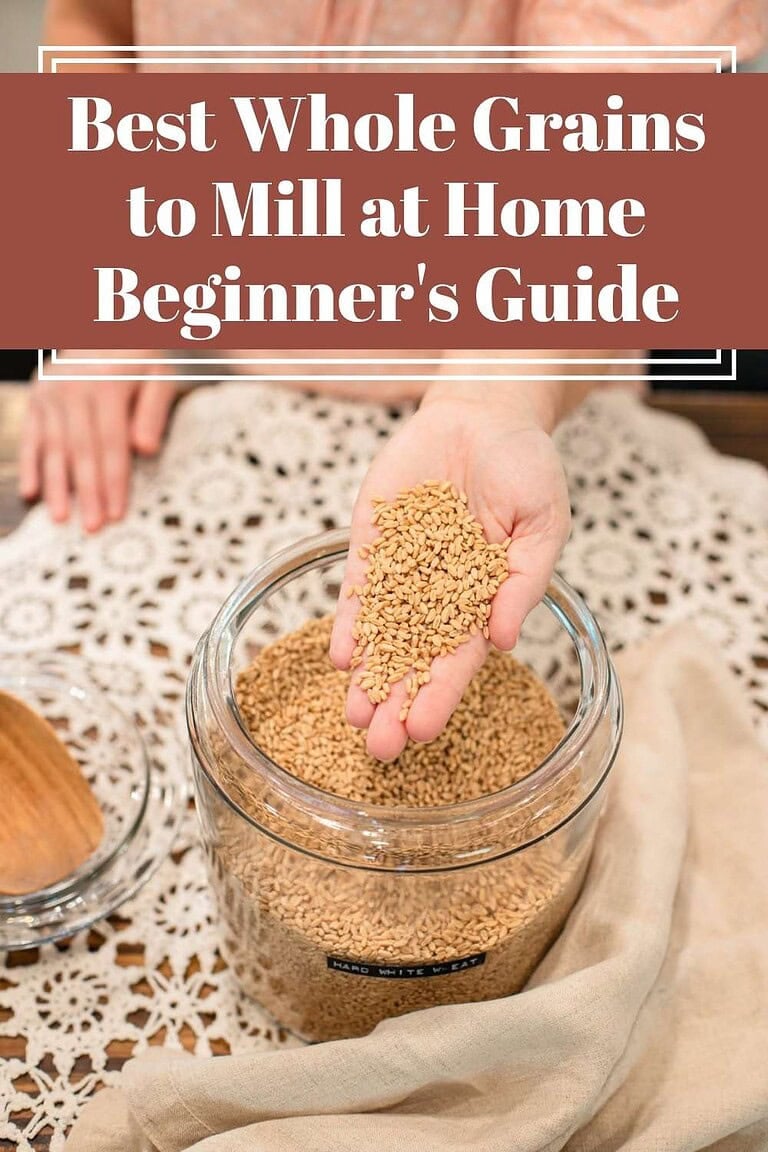
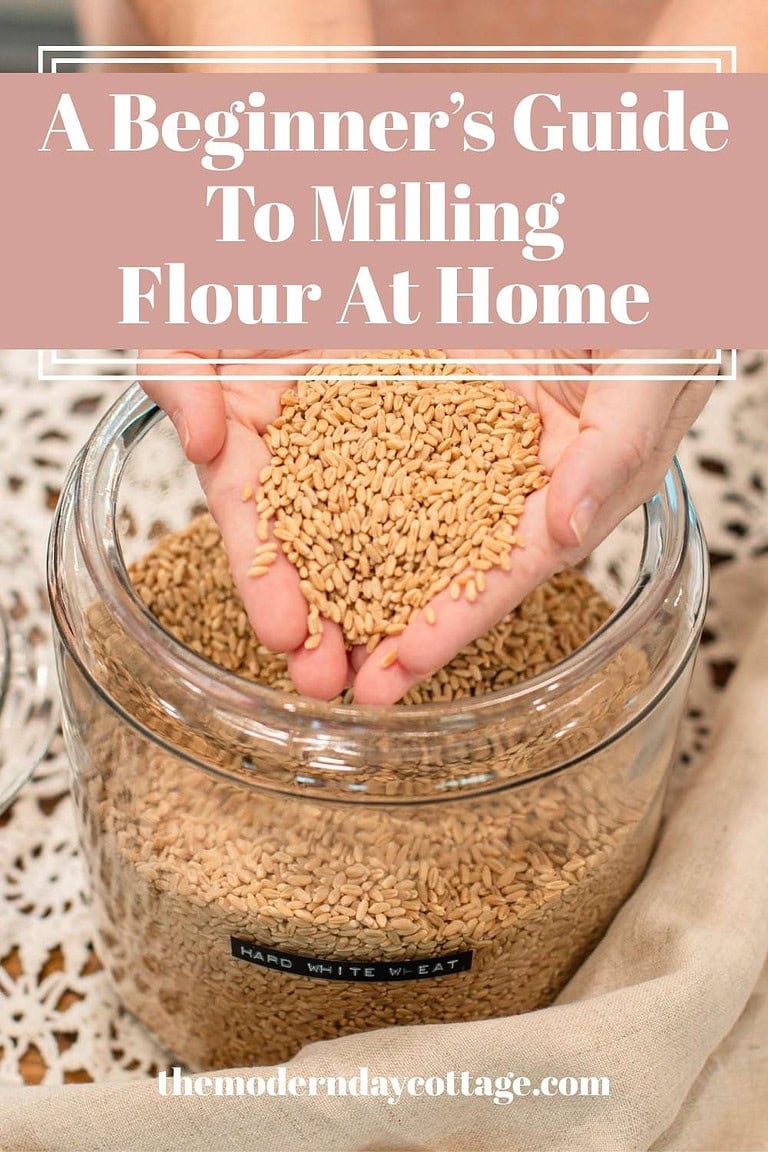
If you are still learning the basics, my Best Whole Grains to Mill and Milling Fresh Flour at Home for Baking guides help you understand what to buy and how it is used.
Once your grain is home, How to Store Wheat Berries and Baking with Freshly Milled Flour walk you through what comes next.
The Cottage Mill: Freshly Milled Flour Guides, Recipes, and More Await!
This was one of the most helpful and informative sites I’ve found on using freshly milled flour in baking. Thank you, Emily ~ Tammy (Pinterest)
Why You’ll Love This Guide
- Real sourcing experience – Every source listed here is one I have personally purchased wheat berries or whole grains from, many of them for decades. Nothing here is theoretical or untested, and I have been sourcing grain for home milling since 1999.
- Trusted pantry rotation – Some suppliers I use occasionally, and some stay in constant rotation. Bread Beckers, Azure Standard, and Guardian Grains are my most consistent sources, which is why you will see them listed first.
- Beginner-friendly options – If you are just starting out, this guide shows where to buy smaller quantities without pressure to commit to bulk right away. You can try fresh-milled flour before investing in a mill or large storage setup.
- Bulk-ready sources – If you already mill flour, you will find suppliers that work well for 25 to 50 pound quantities and long-term pantry planning without feeling overwhelming or impractical.
- Online and local balance – Not everyone shops the same way. This guide includes online suppliers, co-ops, local stores, and even personal connections so you can choose what works best where you live.
Best Places to Buy Wheat Berries Online
Buying wheat berries online gives you access to consistent quality, clear labeling, and grain varieties that are often hard to find locally.
Over time, many home millers end up using more than one supplier depending on how much they bake, what grains they enjoy most, and how often they restock.
These are online sources I personally use or have carefully vetted, and each offers something slightly different.
I only share sources I personally use or have used and trust. Many links in this guide are not affiliate links and are included simply to help you find reliable grain suppliers.
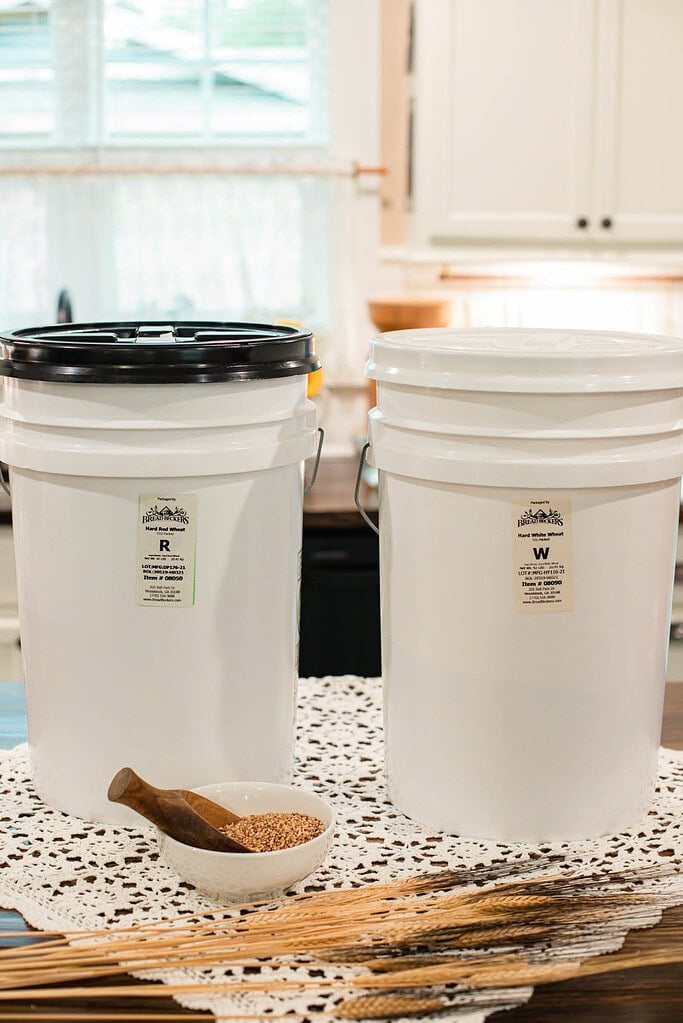
- Bread Beckers – One of my longest-used grain suppliers and a cornerstone of my pantry since 1999. They offer clean wheat berries, co-op pickup options, and CO₂-sealed buckets designed for long-term storage. I also rely on them for mills, bakeware, and pantry tools.
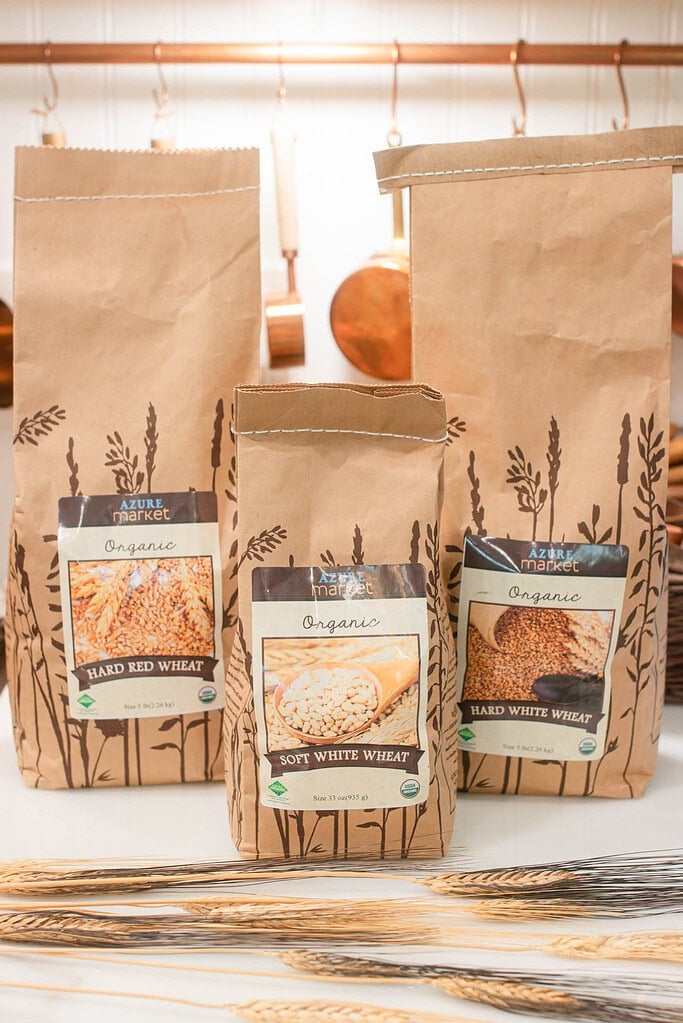
- Azure Standard – A co-op-based supplier with monthly truck drops across the U.S. They carry hard red, hard white, soft wheat, and heirloom grains, plus storage supplies like food-grade buckets, Gamma lids, oxygen absorbers, and mylar bags. This is one of my most consistent monthly ordering sources for wheat and more.
- Guardian Grains – A regenerative, family-run farm best known for Rouge de Bordeaux, which performs beautifully in sourdough. Their grains have excellent flavor and consistency for artisan-style baking. Use code “cottage” for 10% off, generously provided just for our cottage community.
- Palouse Brand – A fifth-generation Washington farm offering non-GMO, pesticide-free wheat berries across all four wheat types. I often order through Amazon when I need something quickly between co-op or bulk orders. Reliable, clearly labeled, and consistently good quality.
- Breadtopia – A favorite among home bakers for wheat berries, rye, spelt, and heritage grains in manageable sizes. I also love them for milling and sourdough tools like manual mills, peels, and baking accessories.
- Central Milling – An artisan mill supplying organic high-protein wheats trusted by professional bakeries. This is a solid option when strength, fermentation performance, and consistency really matter for sourdough and artisan loaves.
- Grand Teton Ancient Grains – Known for large super pails and bulk quantities of wheat, spelt, and kamut with free shipping to all 50 states. A great option when you want to stock once and bake for months without reordering frequently.
- Farmer’s Storehouse – An organic bulk supplier carrying wheat, rye, oats, and other pantry grains year-round. A good place to find specialty or organic options when you want variety beyond standard hard red and hard white.
- Janie’s Mill – A small-batch organic family mill producing very fresh grains with USDA-certified organic options. A great source if you enjoy trying unique varieties beyond standard hard red and hard white.
- Jovial Foods – Specialists in einkorn wheat berries and flour. Their einkorn has a mild, buttery flavor and has consistently performed well in my kitchen, especially for blended breads and pasta.
- Barton Springs Mill – A regional mill offering stone-milled heritage grains with exceptional flavor grown in Texas. These grains reflect regional growing conditions and are wonderful for flavor-driven baking and artisan loaves.
- Maine Grains – A Northeast-based mill offering wheat, rye, and oats with a rustic, hearty profile. A good option if you prefer regionally sourced grains with character and variety.
- Bluebird Grain Farms – Producers of organic einkorn and emmer grown in Washington’s Methow Valley using regenerative practices. A dependable source for heritage grains with consistent quality and reliable availability.
Where to Buy Wheat Berries Locally
Buying wheat locally connects you more closely to the grain you are milling. Local farms and mills often work in smaller batches, which helps preserve freshness, flavor, and quality.
You can usually learn the wheat variety, harvest season, and how the grain was handled before it reached you.
Over time, local wheat also teaches you how grain behaves in your own kitchen. You start to recognize how regional wheat absorbs water, ferments, and bakes.
That familiarity makes fresh-milled baking more consistent while supporting the growers who keep local grain available.
- Amish and Mennonite bulk food stores – Often one of the best places to find 25 to 50 pound bags at very reasonable prices. Grain turnover tends to be high, which usually means fresher stock. Call ahead to ask which wheat varieties they carry.
- Local food co-ops – Many co-ops work with bulk suppliers and allow special orders through buying groups. This can reduce shipping costs and connect you with other home bakers in your area.
- Health food stores – Stores like Whole Foods, Natural Grocers, and Sprouts sometimes carry smaller bags of wheat berries, spelt, rye, or kamut. Prices are higher per pound but they are useful for testing grains before buying in bulk.
- Farmers markets and CSA programs – Some regional farms sell wheat berries or heritage grains directly at markets or through CSA shares. Availability is seasonal so it is worth asking growers what they produce and in what quantities.
- Local mills – If you live near a regional mill they may sell whole wheat berries alongside flour. Buying directly often means fresher grain and a clearer picture of how it was grown and handled.
- A friend, neighbor, or local baker – If you know someone who mills their own flour, ask if they would be willing to share or sell a small amount. This can be an easy way to try freshly milled flour before investing in a mill or bulk grain, and many people in this community are happy to help.
Choosing Wheat Berries for Your Needs
Not all wheat berries behave the same once they are milled, and choosing the right type depends on what you bake most often.
Some grains are better for bread and sourdough, while others shine in softer baked goods.
Starting with the right wheat saves frustration and helps your flour perform the way you expect from the first mill.
This guide for Best Whole Grains to Mill goes deeper on varieties, flavor profiles, and which grains work best for specific recipes. If you want a full breakdown beyond the basics.
A Beginner’s List of Wheat Berries and Whole Grains
How To Store Wheat
Once your wheat berries arrive, transferring them to proper storage right away protects your investment and keeps the grain fresh for months or years.
This guide: How to Store Wheat Berries covers the full step-by-step process, including containers, oxygen absorbers, Gamma lids, and short and long-term methods.


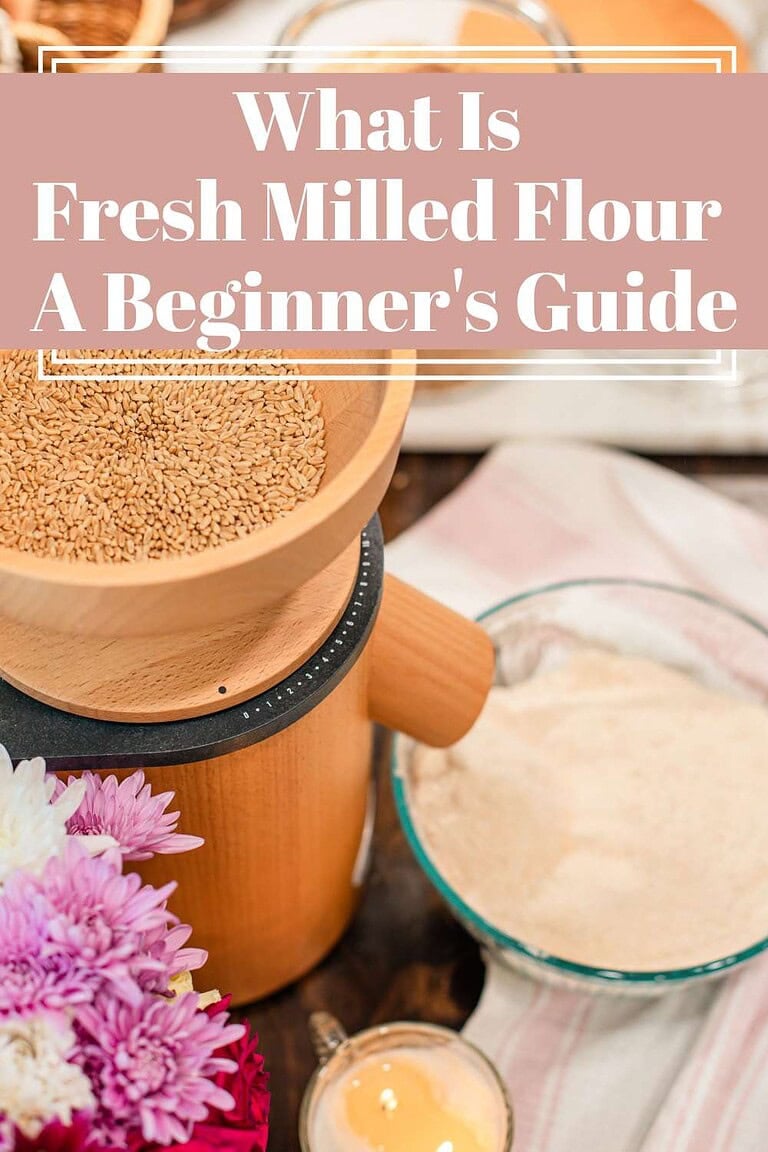
What is Freshly Milled Flour?
A wheat berry has three parts and each one changes how your flour behaves in the jar and in the oven.
The bran – roughly 14 to 16 percent of the kernel. Contains fiber, B vitamins including thiamine, riboflavin, niacin, and B6, plus iron, magnesium, and zinc. Stays in when you mill at home.
The germ – roughly 2 to 3 percent of the kernel. Contains vitamin E, folate, healthy fats, and antioxidants. The natural oils here are why fresh flour smells alive and why milling close to bake time matters.
The endosperm – roughly 83 percent of the kernel. Almost entirely starch and protein. This is what refined white flour is made from.
Refining removes roughly 70 to 80 percent of the vitamins and minerals in the whole kernel. Enriched flour adds back four to five. Freshly milled whole grain flour retains over 40 micronutrients in their natural form.
One important distinction: when we sift freshly milled flour, we are not refining it. Sifting temporarily removes some bran to control texture or make fermentation more visible. The bran is still whole and intact. Sifting at home and commercial refining are two entirely different things.
FAQ
Cottage Living Newsletter
Join the Cozy Cottage Community Today!
Get, from-scratch recipes, seasonal cottage living tips, and cozy cottage living inspiration delivered straight to your inbox.
More from The Cottage
- How To Store Wheat Berries for Long & Short Term
- The Beginner’s Guide to Milling Flour at Home
- Best Whole Grains to Mill for Baking Bread & More
- How to Convert Recipes to Freshly Milled Flour
Was this guide helpful?
Please share this post with others if you found this guide helpful.

Emily Rider
Home miller since 1999 with fresh-milled flour & sourdough experience. Sharing from-scratch recipes and traditional kitchen skills, rooted in the seasons and inspired by everyday cottage living and seasonal rhythms.