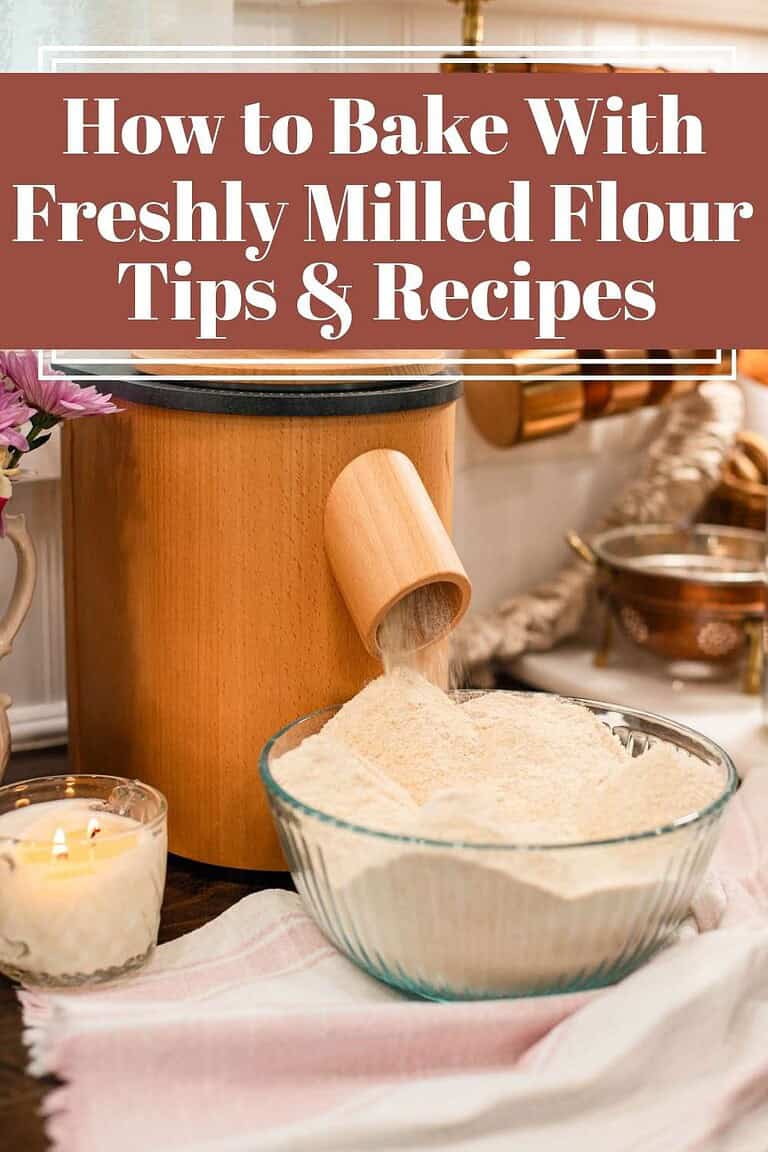

Freshly milled flour has a wonderful aroma and flavor that are worth protecting, especially when you mill more than you need for one recipe. The best storage method depends on when you plan to bake and whether you want the flour ready for everyday use or preserved for later.
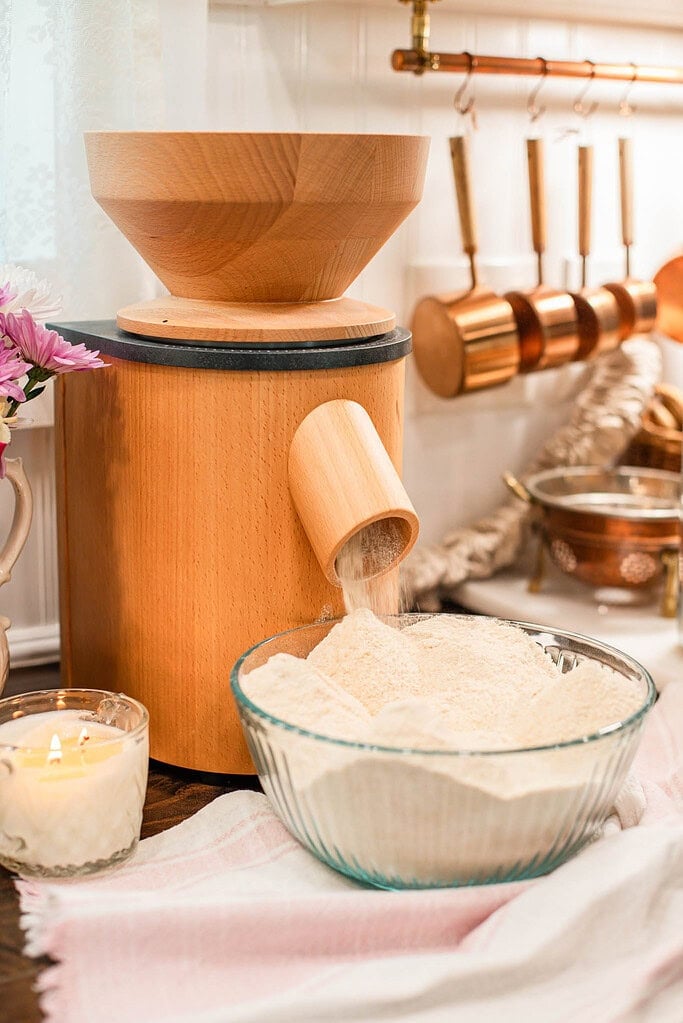
After more than 25 years of milling flour at home, I have developed a simple routine for storing and labeling each batch. In this guide, I’ll show you the containers I use, how I organize freshly milled flour, and the short- and long-term methods that keep it ready for your next bake.
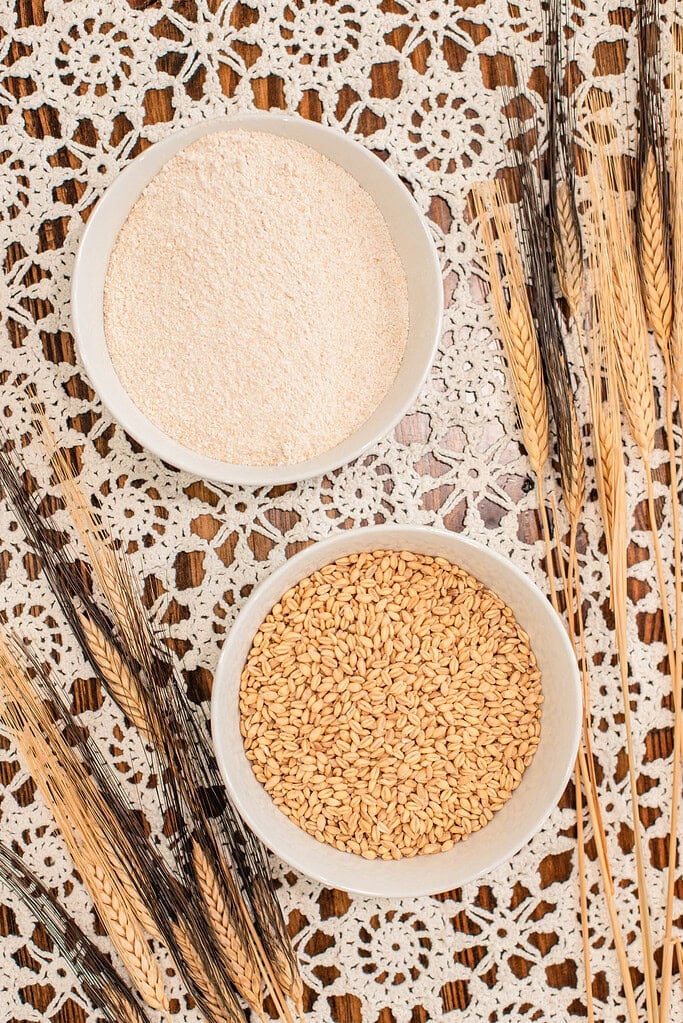
Freshly milled whole-grain flour contains the bran, germ, and natural oils from the wheat berry. Those oils contribute to its wonderful aroma and flavor, but they also make proper storage especially important.
If you’re just getting started, this guide, How to Mill Flour at Home, covers mills, grains, and milling your first batch of fresh flour. When you’re ready to use it, Baking with Freshly Milled Flour | Tips & Recipes is a natural next step.
How Long Does Freshly Milled Flour Stay Fresh?
In my cottage kitchen, I use freshly milled flour within 1 to 2 days at room temperature, refrigerate it in an airtight container for 4 to 7 days, or freeze it for 3 to 6 months.
These are best-quality guidelines rather than automatic expiration dates, since temperature, humidity, grain type, and packaging can affect freshness.
What You’ll Learn in This Guide
Wonderful, wonderful site! So glad I found it before starting my journey with fresh-milled flour. Thank you so much for sharing your knowledge. ~ Mary
This was one of the most helpful and informative sites I’ve found on using freshly milled flour in baking. Thank you, Emily. ~ Tammy
What You’ll Need
Storage Equipment You’ll Need
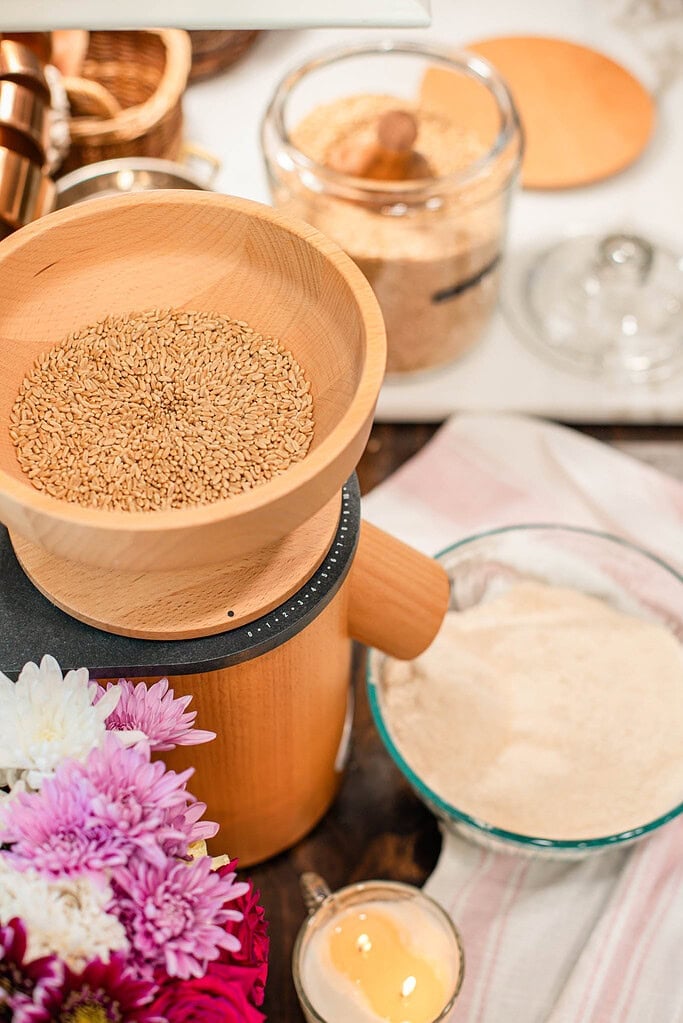
Why Storage Matters
Fresh milled flour carries the bran, germ, and natural oils fully intact and not preserved, which gives it a full, vibrant flavor but also makes it more delicate than flour processed for shelf stability.
Without proper storage, those natural oils can turn rancid quickly. Nothing has been done to extend the shelf life of home-milled flour, which means it needs prompt use or cold storage to stay at its best. If you are thinking about skipping flour storage altogether, storing wheat berries and milling on demand is always a reliable option.
A few simple habits change everything. The right container, the right climate control, and a little intention keep your flour tasting fresh, safe, and ready to bake.
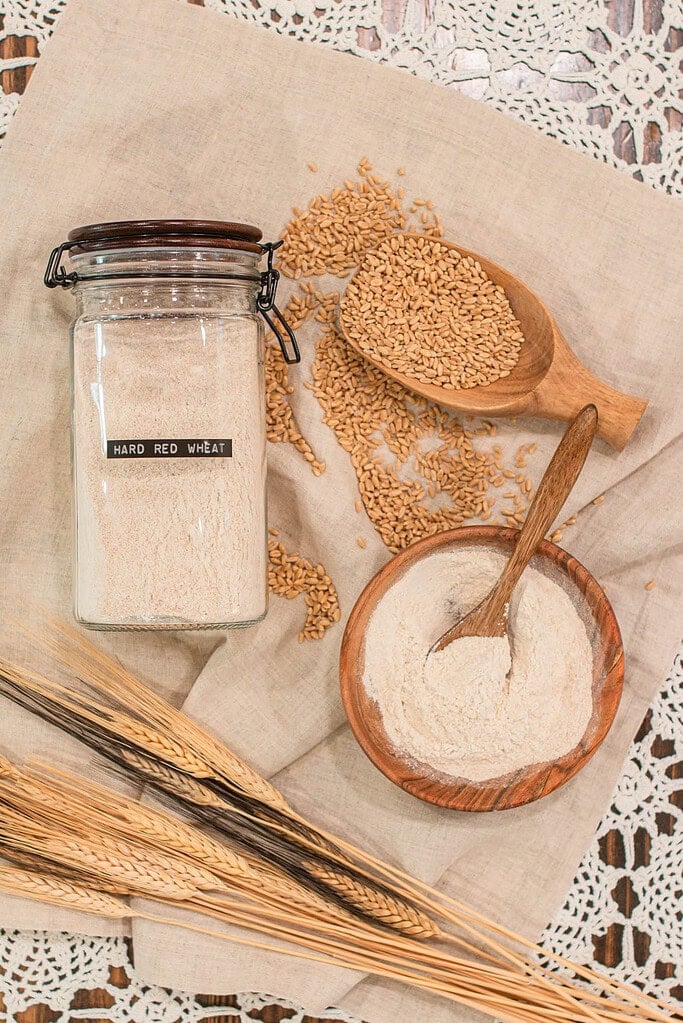
Short Term Storage
- Counter storage – Airtight glass jars, like Mason, Le Parfait, or Anchor Hocking, keep fresh milled flour usable for up to 2 days at room temperature. Keep jars in a cool, dark spot away from heat and direct sunlight.
- Refrigerator storage – For up to 4 to 7 days of freshness, tuck airtight jars into the fridge on a middle shelf. Cold slows the natural oils from turning and keeps flour ready to bake without any extra steps.
Note: Here at the cottage, I keep just enough on the counter for today and tomorrow, with a jar or two in the fridge if I need a few extra days. It keeps things simple and nothing goes to waste.
Long Term Storage
- Freezer storage – The most reliable method for keeping fresh milled flour fresh for 3 to 6 months. Use airtight mason jars or freezer-safe bags and let flour come to room temperature before opening to prevent condensation.
- Vacuum sealed Mylar – For an extra layer of protection, vacuum seal flour in Mylar bags with oxygen absorbers before freezing. This works well if you mill in larger quantities and want to protect against any air exposure.
- Bulk bucket storage – For large amounts of flour, food-grade buckets with Gamma lids protect against pests and moisture. Sue Becker of Bread Beckers has noted that after about 72 hours, some natural nutrient activity in fresh milled flour begins to change, which is worth keeping in mind for bulk storage. If you’re storing wheat berries instead of flour, read How to Store Wheat Berries guide, which covers everything I have been doing for over 25 years for storing wheat berries and whole grains.
Note: When I mill in bulk, I keep one jar in the fridge for that week’s baking, and the rest goes straight into the freezer. When I run low, I pull a jar out to thaw overnight. Since adding the Mockmill Pro 200 to the cottage kitchen, I mill on demand most days, but having a freezer backup makes busy baking seasons so much easier.
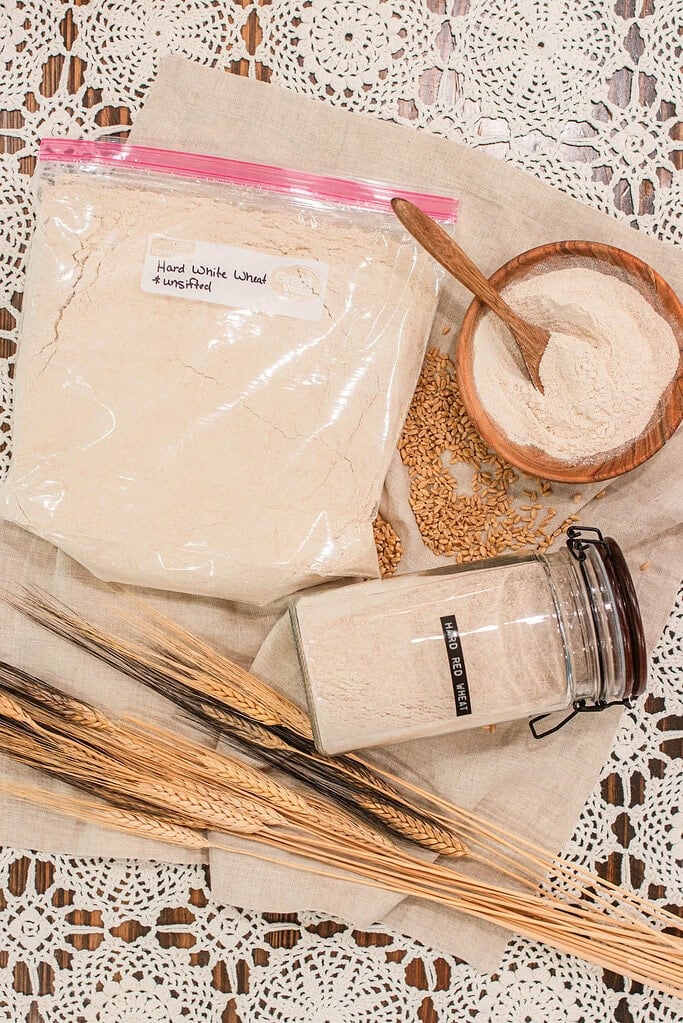
Instructions
- Choose your storage method – Decide how quickly you’ll use the flour before you seal it up. Counter storage works for baking within 2 days, the fridge buys you up to a week, and the freezer takes you out to 3 to 6 months.
- Pick the right container – Use airtight glass jars for counter and fridge storage. For the freezer, vacuum-sealed jars or freezer-safe bags work best. Always go airtight to protect flavor and prevent moisture from getting in.
- Portion for convenience – Divide flour into smaller containers rather than one large one. That way, you only open what you need, and the rest stays fresher longer.
- Label and date everything – Mark each container with the grain type and the date it was milled. This helps you track freshness and rotate flour so nothing sits too long or goes rancid without you noticing.
- Store in the right spot – Counter jars do best in a cool, dark place away from appliances that generate heat. Fridge jars should sit on a middle shelf, not the door. Freezer flour stores best tucked away from anything with a strong odor.
- Thaw before opening – When pulling flour from the freezer, let it come fully to room temperature before opening the jar or bag. This prevents condensation from forming on the flour and keeps it dry and ready to use.
Troubleshooting
Do you want to learn more about freshly milled flour? The Cottage Mill is filled with guides and resources to walk you through recipe conversions, flour blends, and techniques to help you bake with freshly milled flour with confidence.
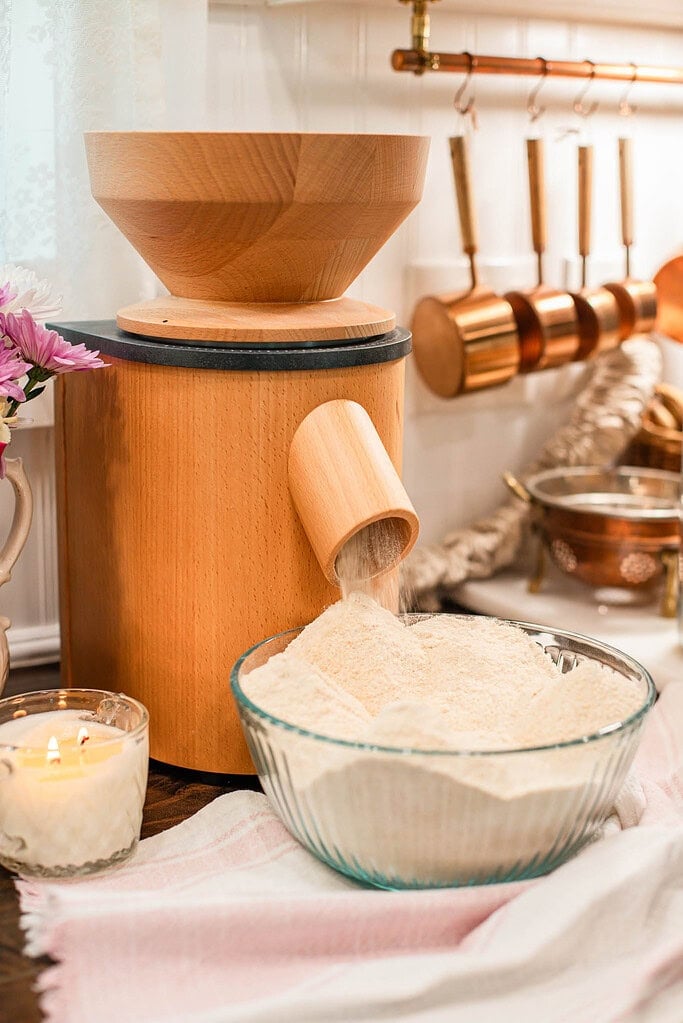
The Cottage Mill | Freshly Milled Flour Guides, Recipes, and More Await!
Cottage Living Community
Join the Cozy Cottage Living Community
Sign up for The Modern Day Cottage Community newsletter to receive recipes. how-tos, exclusives, and more from my kitchen to your inbox every week.
FAQ
More Fresh Flour Guides from The Cottage
Was this guide helpful?
Please share this post with others if you found this guide helpful.

Emily Rider
Home miller since 1999 with fresh-milled flour & sourdough experience. Sharing from-scratch recipes and traditional kitchen skills, rooted in the seasons and inspired by everyday cottage living and seasonal rhythms.