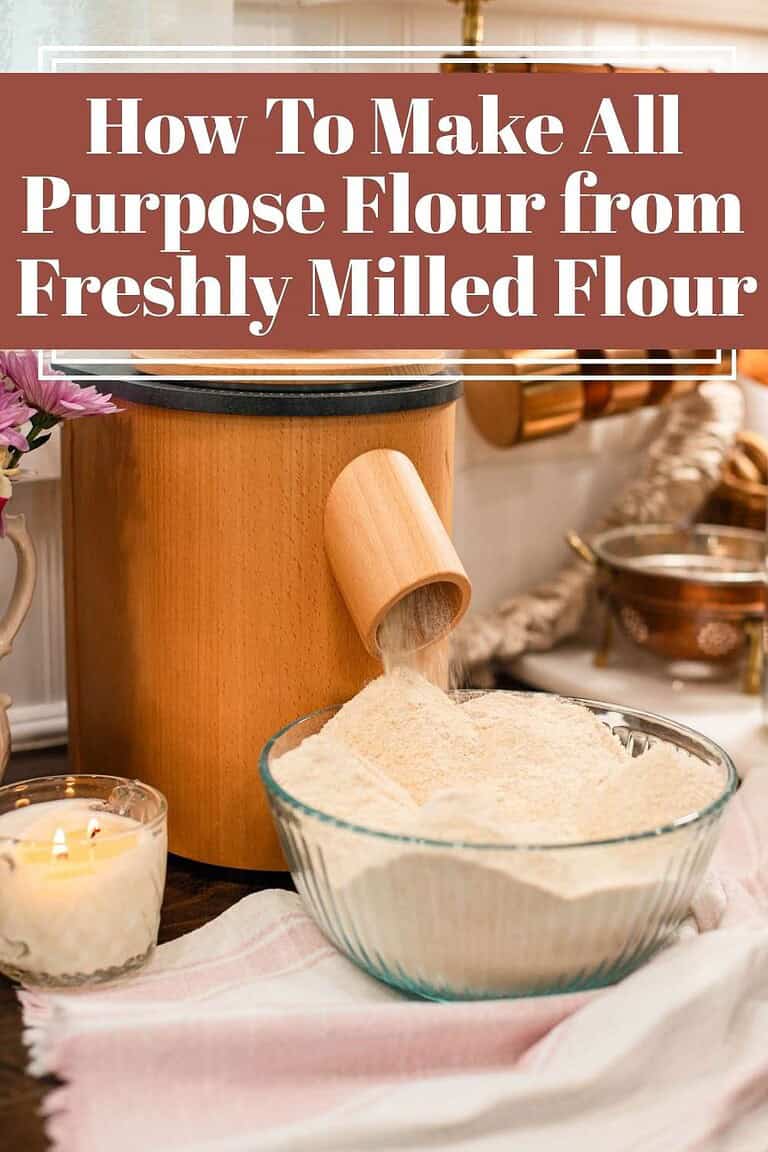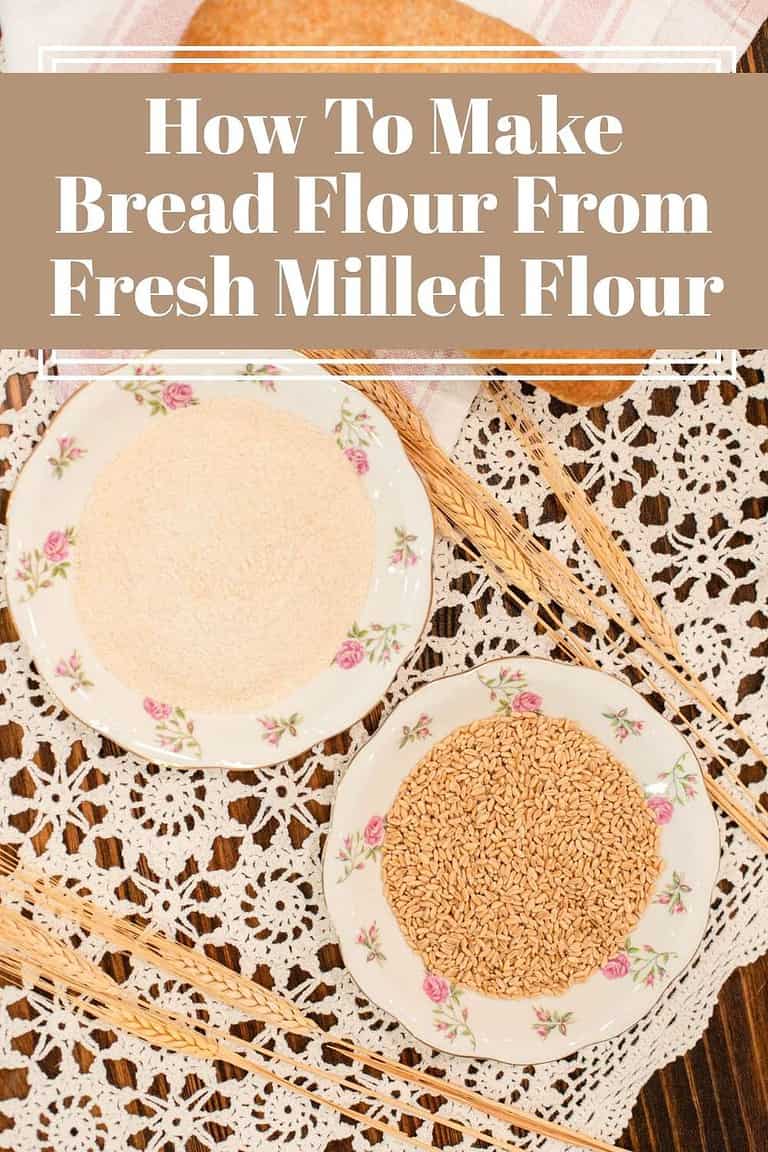

In this guide, I will walk you through the very best whole grains (wheat berries) to mill for baking bread and so much more! You can choose the right one for your bread, pastries, or everyday cozy bakes.
Milling your own flour at home transforms everyday baking into something more nourishing, flavorful, and intentional.
This post may contain affiliate links. Please read our disclosure policy for details.

If you’re just getting started, my How to Mill Flour at Home | A Beginner’s Guide is a great place to start—it walks you through the essentials without overwhelm.
Once you’ve got that down, take a peek at Best Places to Buy Wheat Berries & Whole Grains so you’ll always have quality grains on hand. And if you’re thinking ahead to stocking up, my How To Store Wheat Berries for Long & Short Term will give you the simple storage steps that keep grains fresh for months (or even years).
A Cottage Milling Note
Always check your mill’s manual before trying a new grain. Not all mills handle the same things, and settings matter.
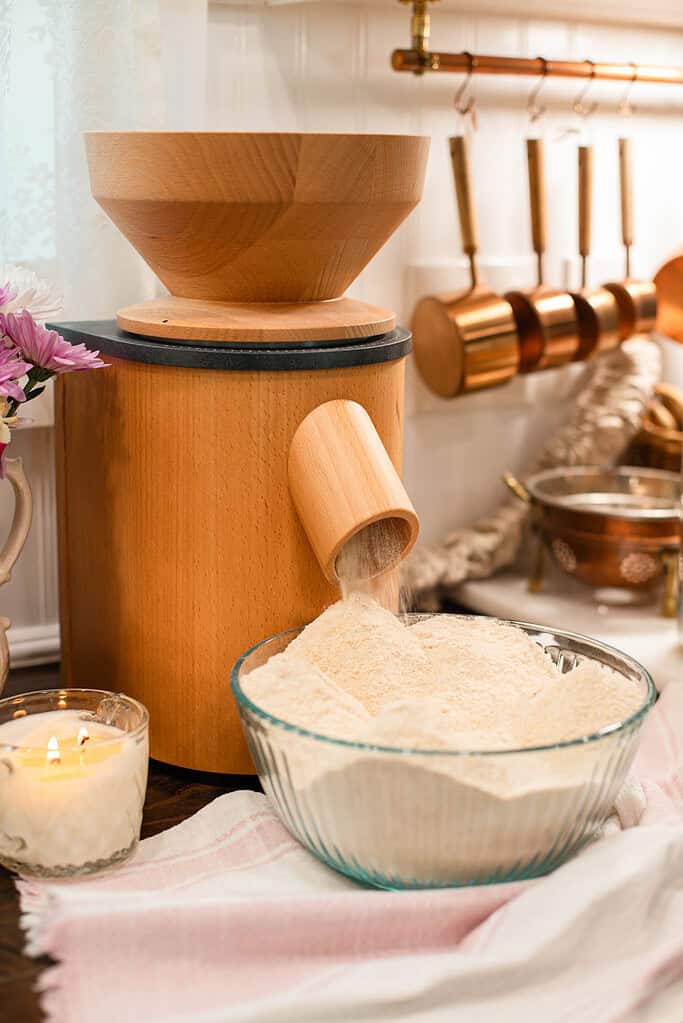
In my kitchen, I mill with a Mockmill Professional 200 and a WhisperMill, and both handle the grains listed here (and more) when used as directed.
If your manual flags a grain (for example, no popcorn, or avoid oily seeds/nuts), skip it—protecting your stones/burrs is worth the caution.
Why You’ll Love This Guide
What Are Whole Grains & Wheat Berries?
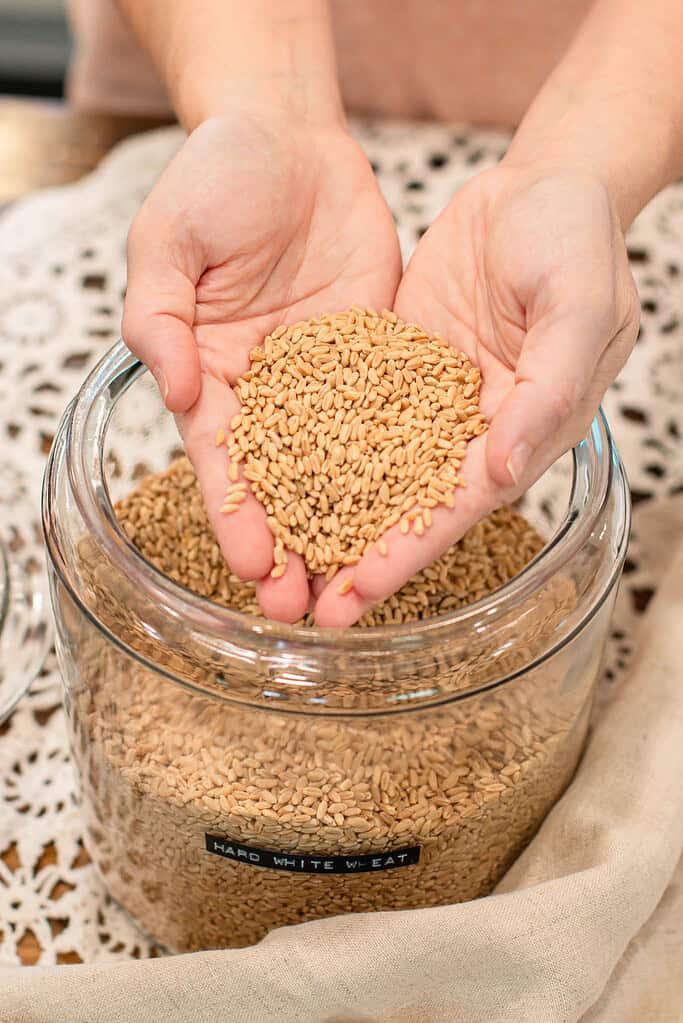
When we talk about whole grains, we’re really talking about keeping the entire seed intact. A single grain has three parts: the bran on the outside, the germ at the core, and the starchy endosperm in between.
Commercial flours often strip away the bran and germ to make them shelf-stable, but when you mill flour at home, you get all three parts together.
That means more flavor, more aroma, and more of the natural goodness the grain was meant to carry from flour to whole wheat baked goods.
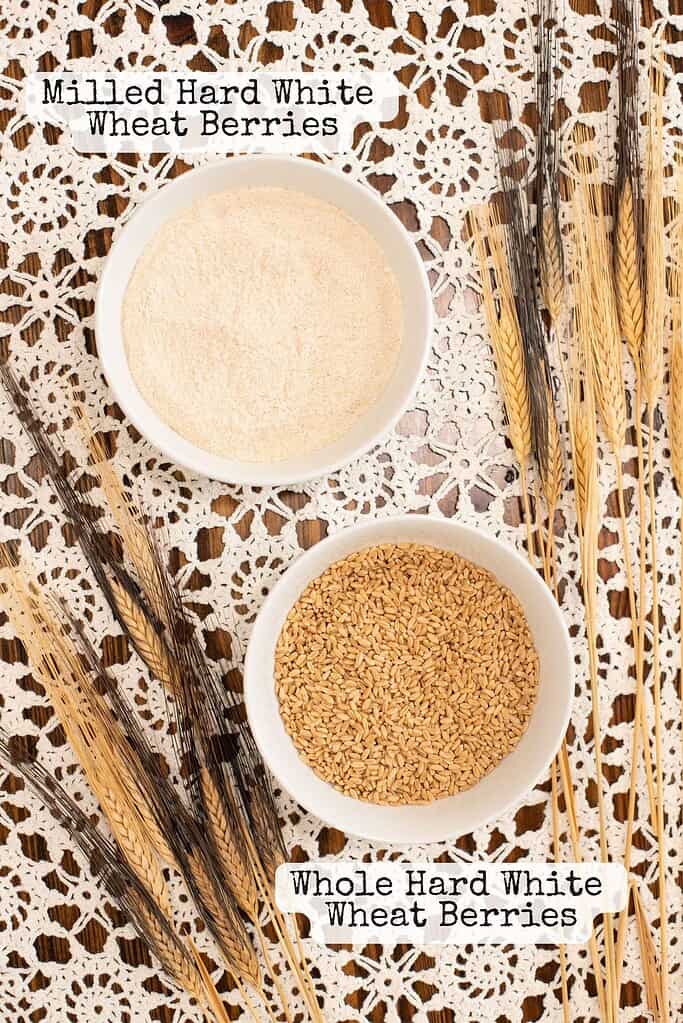
Wheat berries are simply the whole, unprocessed kernels of wheat. They look a little like rice, but instead of cooking them for dinner (well, you can cook them whole for porridge and other heritage meals, we’ll cover that later), you grind them into flour. It’s the same ingredient, just in its purest form, nothing removed(unless you want to sift for a tender cake or pastry), nothing added.
Store-bought flour may be convenient, but fresh flour carries the story of the grain straight into your baking.
Freshly Milled Flour Tips
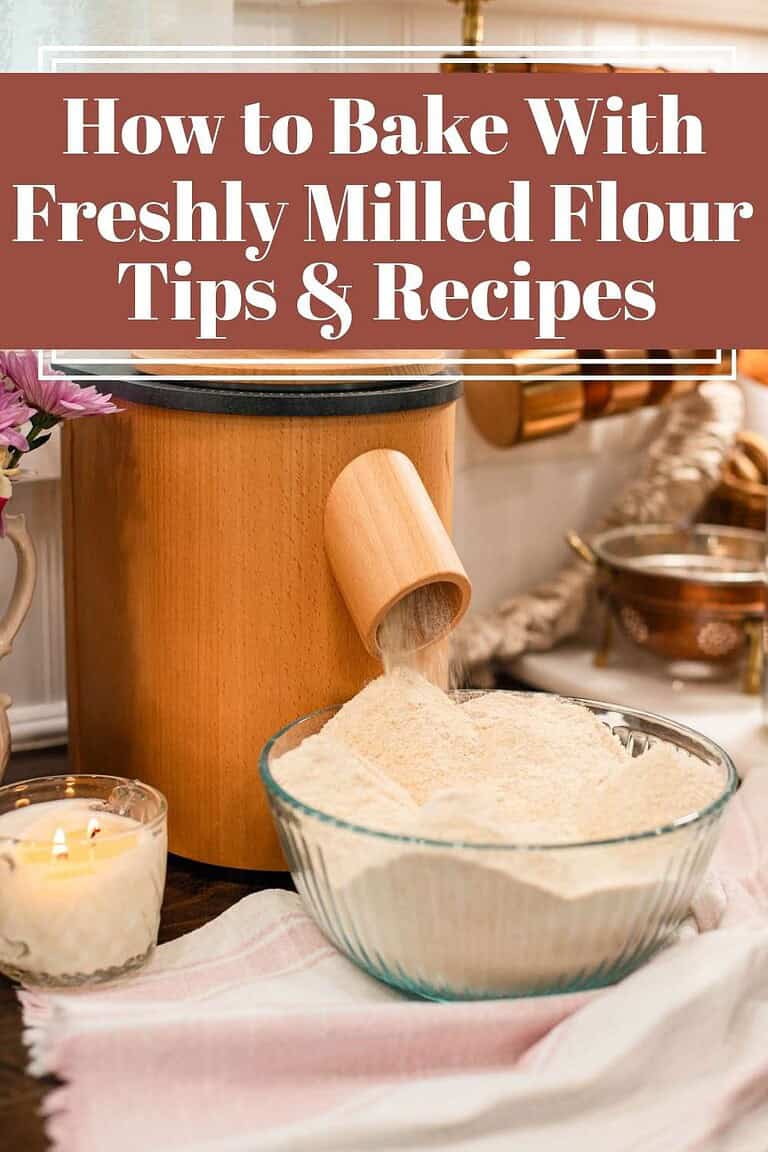
Let your dough rest—hydration is key: Giving your dough time to rest allows the flour to fully absorb the water, making it easier to work with and improving texture. This rest period, especially after mixing, helps gluten develop naturally without over-kneading. Read more about How to Bake with Freshly Milled Flour | Tips & Recipes for the detailed guide.
Try autolyse for gluten strength: Combine just flour and water and let it sit for 20–60 minutes before adding salt and yeast. This simple step can dramatically improve dough extensibility, crumb structure, and flavor, especially in artisan breads.
Mix hard and soft wheats for balance: Hard wheat brings protein and strength, while soft wheat adds tenderness. Blending them lets you customize flour for specific uses, like soft sandwich loaves with just enough chew or cookies with a tender bite.
Keep notes of what works (and what doesn’t!): Milling and baking are both part science and part art. Keep a simple log of your grain types, hydration ratios, rest times, and results. This will help you refine your process and avoid repeating mistakes.
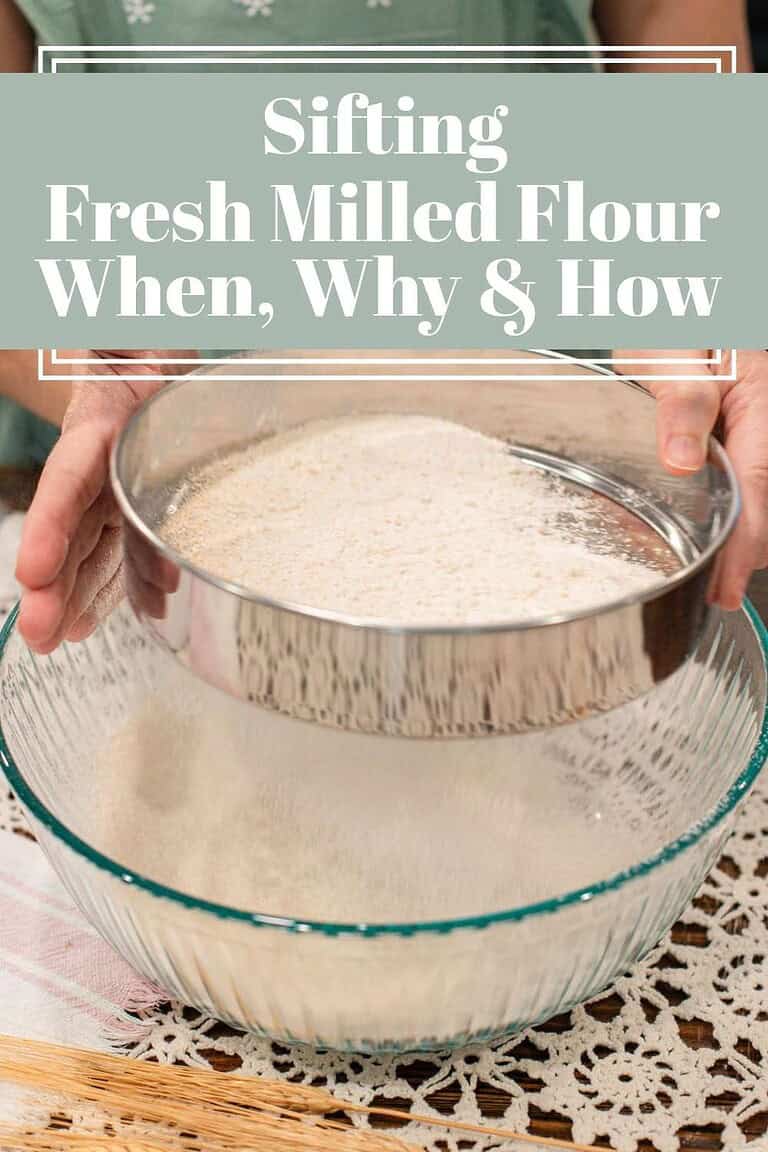
Sift for fine cakes and pastries: Sifting aerates the flour and removes coarse bran, giving cakes, muffins, and pastries a finer, lighter texture. This is especially helpful when using freshly milled whole grain flours. Read more about Sifting Freshly Milled Flour | Why, When & How to Do It for the full guide.
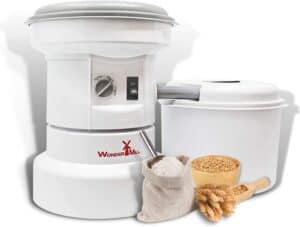
Choose the best grain mill for your needs, check home grain mill reviews before buying: Whether you’re after speed, stone-ground texture, or adjustable fineness, there’s a mill for every style. Research reviews and think about what you’ll be using it for most often—breads, pasta, pastries, or a bit of everything.
Best Whole Grains to Mill at Home
Hard White Wheat (Winter & Spring) – Milder in taste than red, with a lighter color and a slightly sweeter profile. It still brings enough protein strength to bake sandwich loaves, rolls, and everyday bread without being too bold. Spring varieties tend to be a bit stronger, making them great for blending; winter hard white is often a family favorite for softer loaves that still hold their shape.
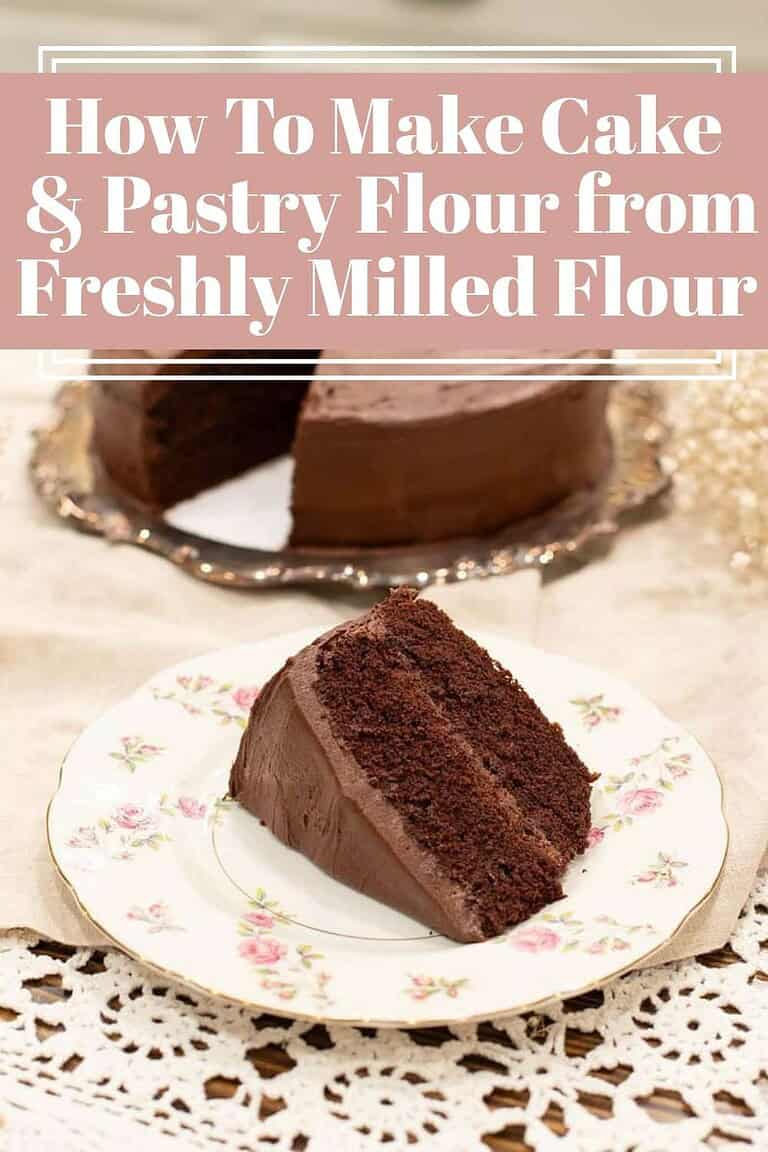
Soft White Wheat – Low protein and low gluten, making it perfect for tender baked goods. Think muffins, pancakes, biscuits, cakes, and pastries. It has a light flavor that lets other ingredients shine. Not suited for hearty breads on its own, but essential for creating homemade pastry flour.
Soft Red Wheat – Similar to soft white, but with a touch more earthiness. Its warm, nutty flavor pairs beautifully with cookies, brownies, spice cakes, or cornbread-style bakes. Soft red brings cozy, old-fashioned charm to quick bakes.
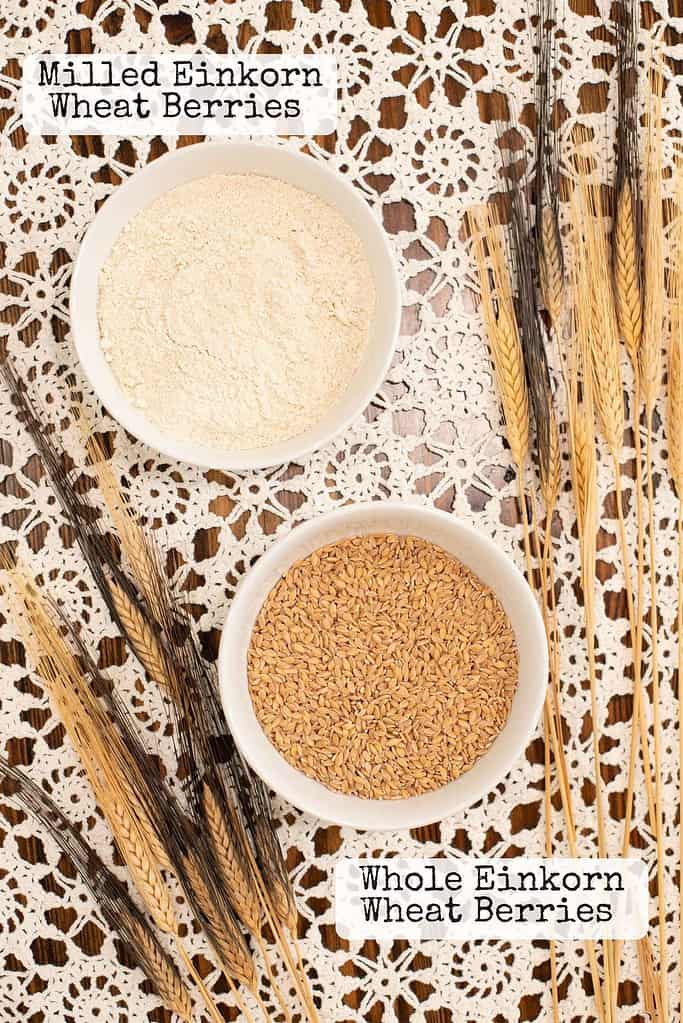
Einkorn – One of the oldest cultivated wheats. Naturally lower in gluten, einkorn brings a buttery richness and golden color to baked goods. Best used in cookies, muffins, pasta, or blended with stronger wheats for bread.
Spelt – A sweet, slightly nutty grain that’s often more water-soluble than modern wheat, making doughs more extensible (stretchy). It shines in cookies, rustic breads, and tender pastries.
Kamut (Khorasan Wheat) – Distinctly golden, with a buttery, chewy bite. Its gluten is often easier to digest for some bakers. Adds flavor and structure to bread blends or makes hearty pasta and flatbreads.
Emmer (Farro) – An ancient grain with a nutty, earthy profile. Not as light as spelt, but excellent for rustic loaves or hearty rolls. Often benefits from blending with modern wheats for strength.
Rye – Bold, tangy, and unforgettable. Rye flour makes denser loaves with a distinct aroma. A little rye goes a long way—often blended with hard wheat for sourdoughs or traditional rye bread.
Other Grains You Can Mill at Home
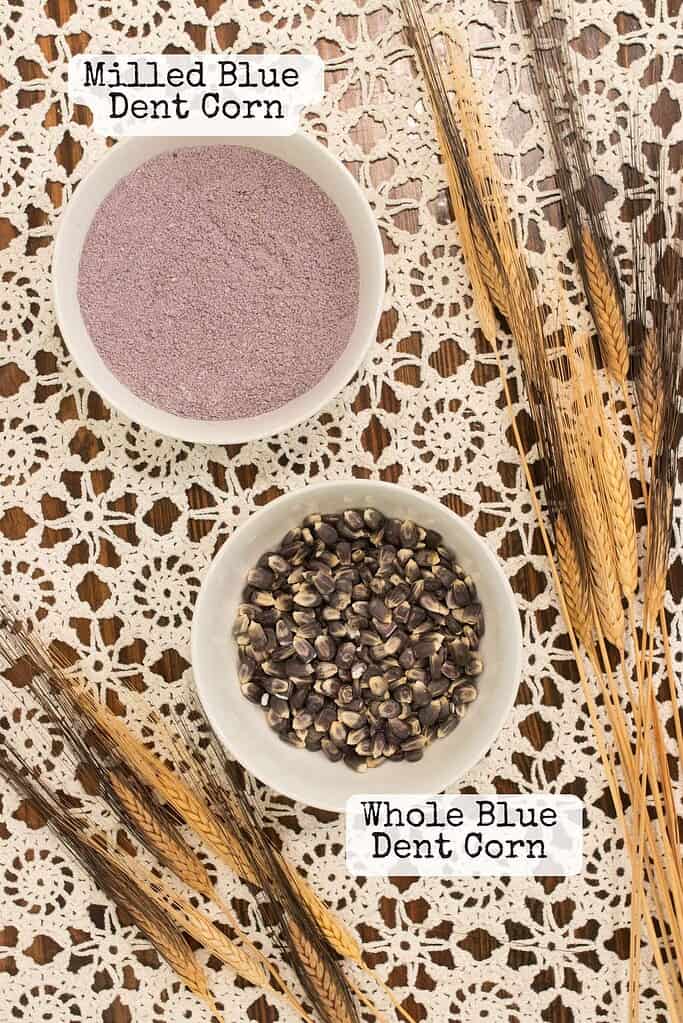
Corn (Dent Corn) – The right choice for milling into cornmeal or polenta. Dent corn has a softer starch and higher moisture content than popcorn, making it suitable for home grain mills. Always check your mill’s guidelines—mills like the Mockmill specifically warn against popcorn, which is too hard and can damage the stones. Dent corn, on the other hand, mills beautifully into coarse or fine meal for cornbread, tortillas, or porridge.
Oats – While you can mill oats, they’re naturally low in gluten, so they won’t provide structure for bread. Freshly milled oat flour is excellent for pancakes, cookies, and quick breads. Because oats are high in natural oils, use oat flour quickly or store it airtight in the freezer.
Rice (White & Brown) – Both white and brown rice can be milled into flour. White rice flour is a staple in gluten-free baking and is often used in blends, while brown rice flour has a heartier flavor. Be aware that brown rice flour spoils faster because of its higher oil content, so freeze it if not used right away.
Buckwheat – Despite the name, buckwheat isn’t wheat at all—it’s a gluten-free pseudograin. It has a rich, earthy flavor that pairs beautifully with chocolate or berries, making it a favorite for pancakes, crepes, and hearty quick breads.
Millet – A small, naturally gluten-free grain that mills into a fine, slightly sweet flour. Millet flour adds tenderness to baked goods and works well in gluten-free blends.
Quinoa – Another pseudograin, quinoa flour has a grassy, slightly bitter flavor if not rinsed and toasted before milling. Once prepped, it’s nutrient-rich and a solid choice for gluten-free baking.
Amaranth – A tiny seed with a nutty flavor, also gluten-free. Amaranth flour works best in small amounts blended with other flours, since its strong taste can overpower delicate bakes.
Legumes (Chickpeas, Lentils, Beans) – Dried beans and chickpeas can be milled into high-protein, gluten-free flours. Chickpea flour is especially popular in flatbreads and savory bakes. Always use dried beans (not canned) and store the flour in the freezer to prevent spoilage.
In this post, Best Places to Buy Wheat Berries & Whole Grains, I walk you through my sources I have found locally and online in my 25+ years of buying whole grains and Wheat Berries.
Note: Anything oily (like flax or nuts), moist (like fresh corn), or too hard (like popcorn) can damage your mill. Always read your mill’s instructions, and start with clean, food-grade grains free of small stones or debris.
How to Mill Flour at Home (Beginner’s Guide)
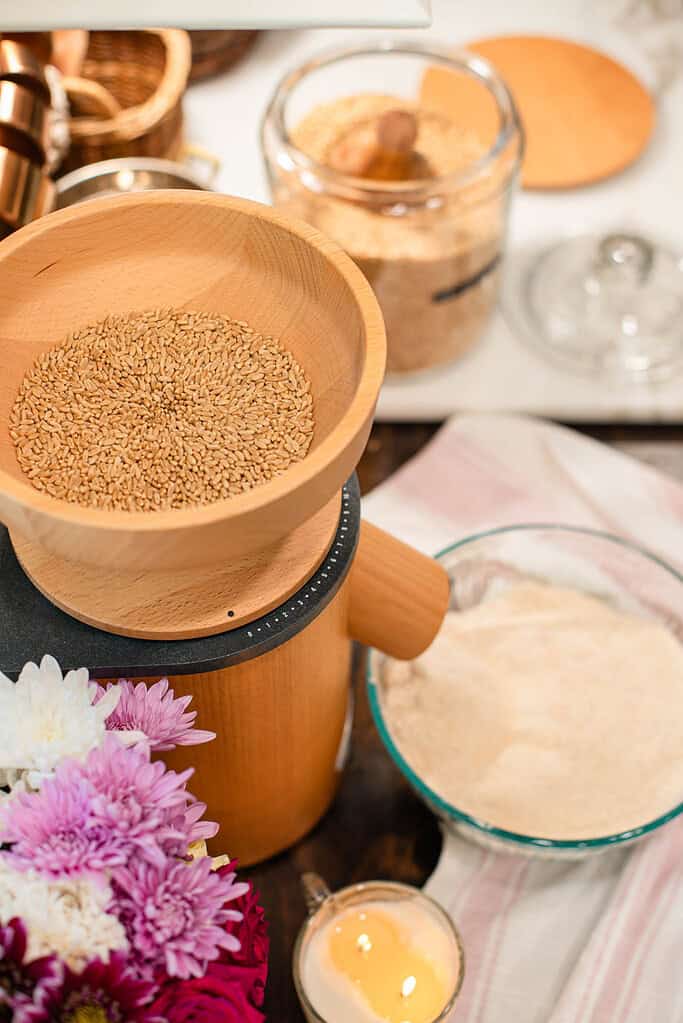
Milling flour at home is simpler than it seems—you pour the grain into your mill, set the fineness, and within minutes, you have fresh, fragrant flour ready for baking. The key is choosing the right grain for your recipe and milling only what you need so the flour is at its freshest.
If you’re brand new, I recommend starting with hard white wheat for bread or soft white wheat for cakes and muffins. These are straightforward, forgiving grains that give you a feel for how fresh flour behaves compared to store-bought. Need more guidance on the Freshly Milled Flour Glossary? Glossary Of Terms For Sourdough & Freshly Milled Flour. This glossary should help you along the way:).
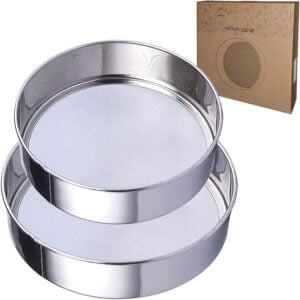
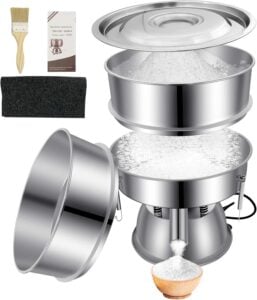
Want the step-by-step details, along with tips on mills, sieves, and even how to mill without a machine? See my full guide here: How to Mill Flour at Home | A Beginner’s Guide.

How to Choose the Right Whole Grain for Baking
Choosing the right grain is a little like choosing the right fabric when you’re sewing. Each one has its own character, and when you learn which to use for which bake, everything just feels easier.
For hearty breads and sourdough loaves – Reach for hard red wheat. Its high protein builds a strong gluten structure, so your dough can hold shape and bake into those rustic, crusty boules with a chewy crumb.
For everyday sandwich loaves and soft dinner rolls – Hard white wheat is your friend. It’s still strong, but lighter in color and milder in flavor, so it won’t overpower your spreads or fillings.
For tender cakes, cookies, and pastries – Choose soft white or soft red wheat. Their lower protein means less gluten, which translates to a delicate, melt-in-your-mouth texture.
For experimenting with depth and heritage – Try einkorn, spelt, emmer, or kamut. These heirloom grains add layers of flavor—sometimes buttery, sometimes nutty, sometimes earthy—and connect your bakes with traditions that go back thousands of years.
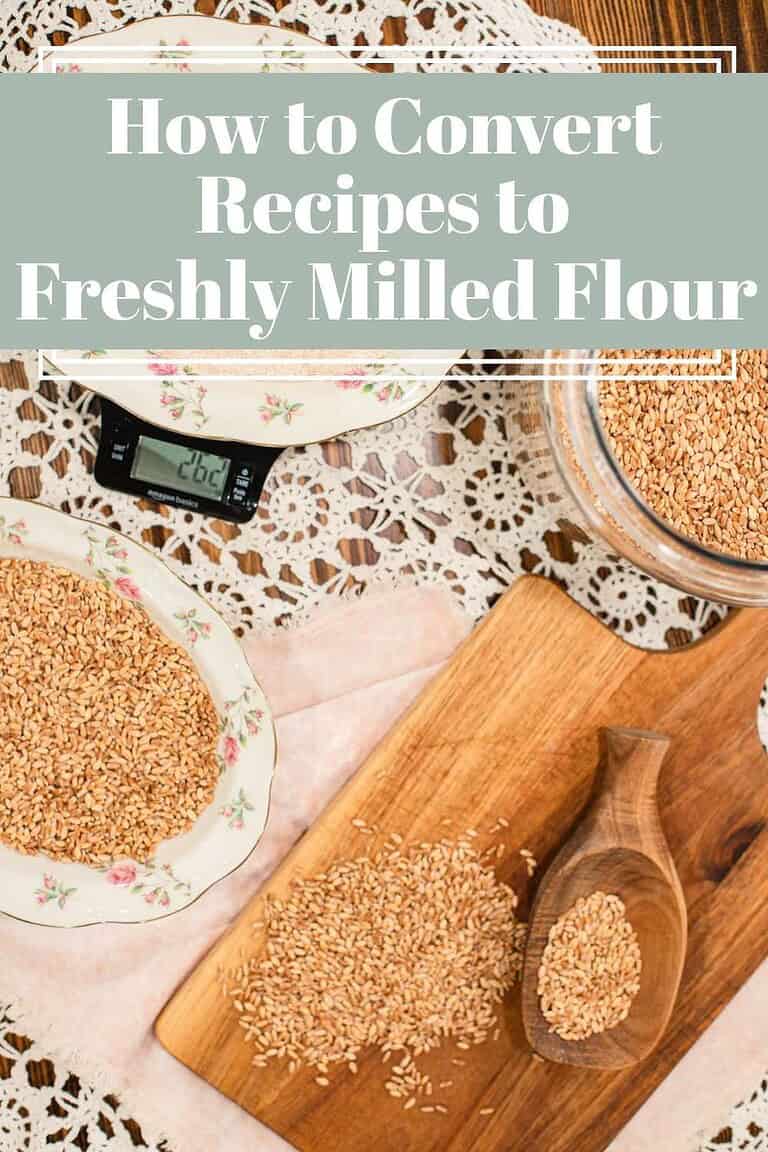
The simplest way to decide is to think about the texture you want. Do you need strength and chew? Or softness and tenderness? Once you know that, picking your grain feels less like a guess and more like second nature. To read more about how to convert your recipes in detail, read this post: How to Convert Recipes to Freshly Milled Flour.
TIP: Keep a small jar of each type on your shelf. When you’re planning a bake, use a fresh flour conversion chart to remind yourself of their baking qualities. It helps you choose quickly and keeps the process joyful instead of overwhelming.
Don’t forget to pin this for later!
FAQ
Step into The Cottage Mill: Freshly Milled Flour Guides, Recipes, and More Await!

Cottage Living Newsletter
Join the Cottage Living Community
Seasonal recipes, cozy cottage projects, simple from-scratch living, and gentle inspiration for homemakers who crave a slower rhythm rooted in home and heart.
More Freshly Milled Flour Guides
Did you liked this Fresh Milled Flour guide?
If you learned something valuable, I’d be so grateful if you would share with others. Use the buttons below to share, comment, or connect—I truly enjoy seeing and celebrating your fresh flour journey.
Thank you for spending time with me here at The Modern Day Cottage. My hope is that each guide helps you mill and bake with more confidence. May your jars be ever full, and your loaves rise high.
With love & gratitude,
Emily

Emily Rider
Cottage lifestyle blogger and home miller with 25+ years of sourdough and fresh-milled flour experience.
Sharing cozy homemade recipes that help you bake with confidence, celebrate each season, and savor the beauty of everyday cottage living.