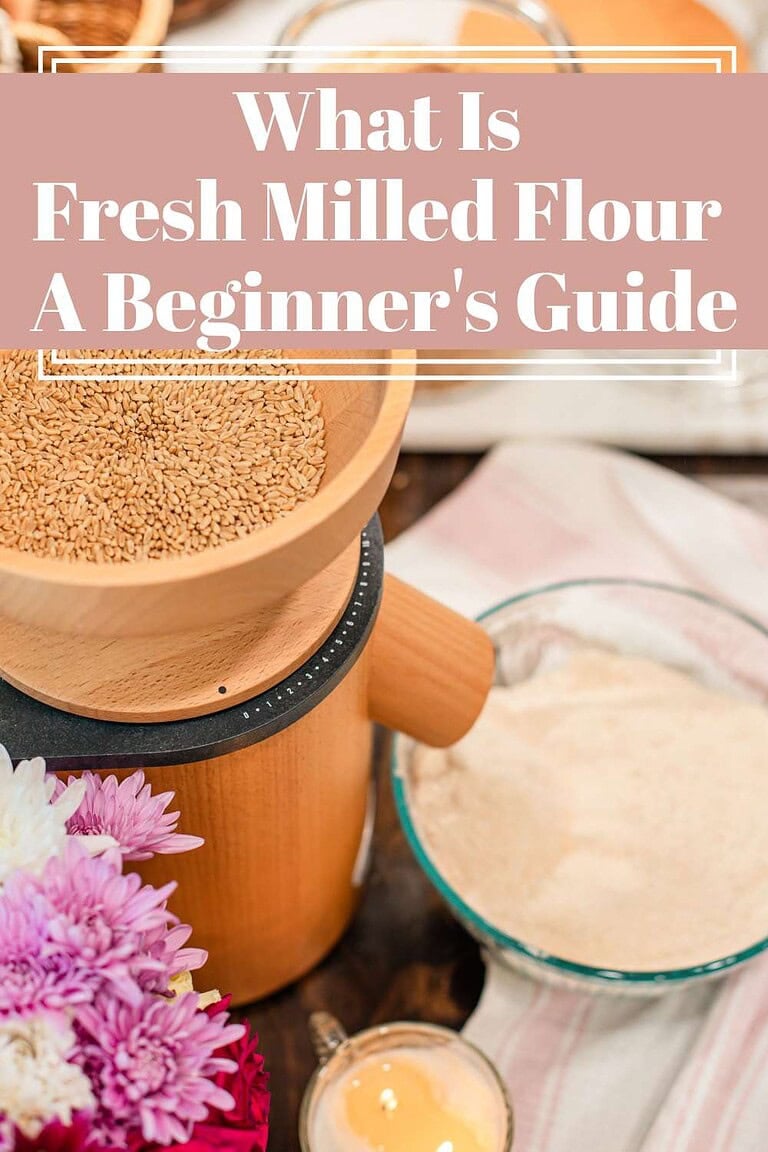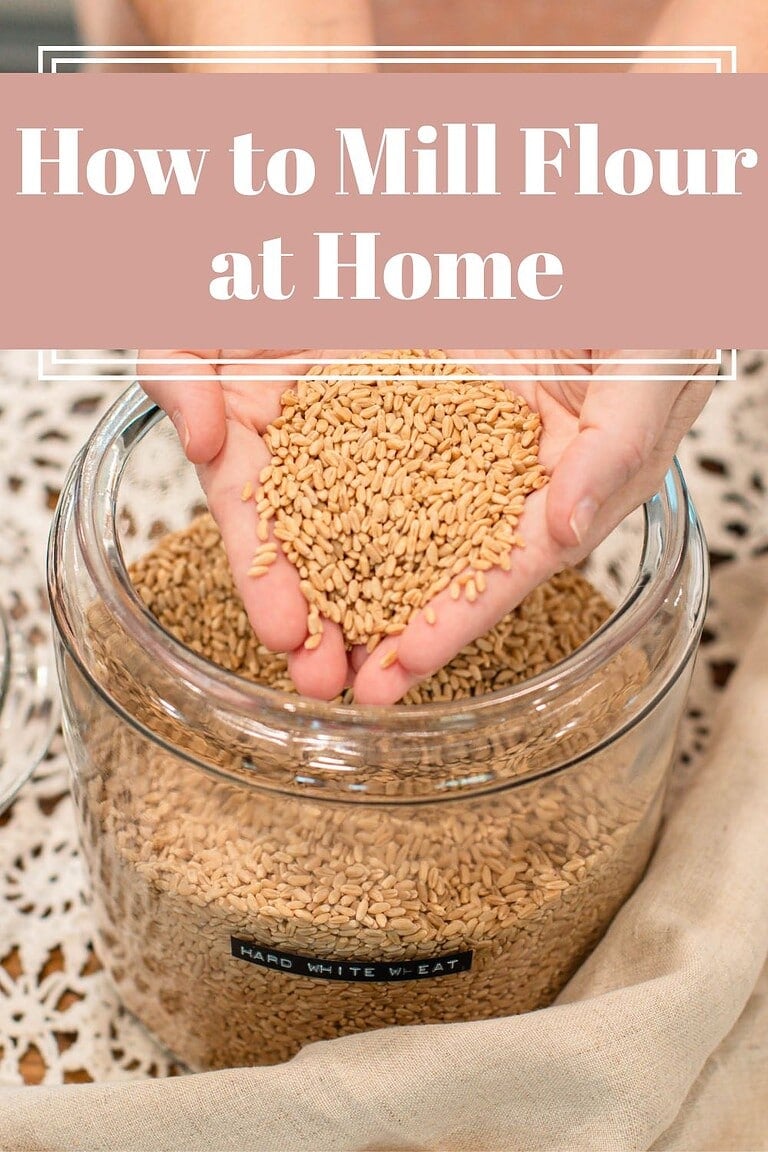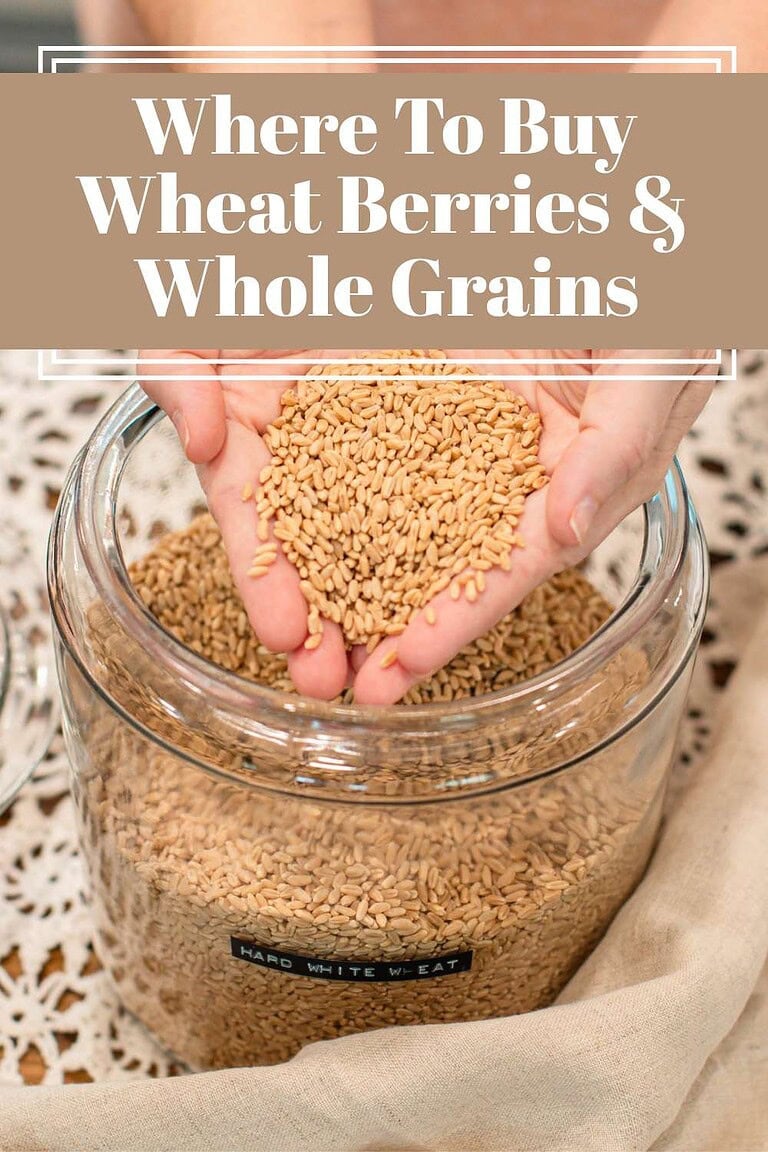

The best grains to mill at home start with two simple choices: hard wheat for bread and soft wheat for pastries, and everything else builds naturally from there.
This guide walks you through which grains to start with, how each one behaves once it is ground, and how to expand your pantry with confidence as your milling rhythm grows.
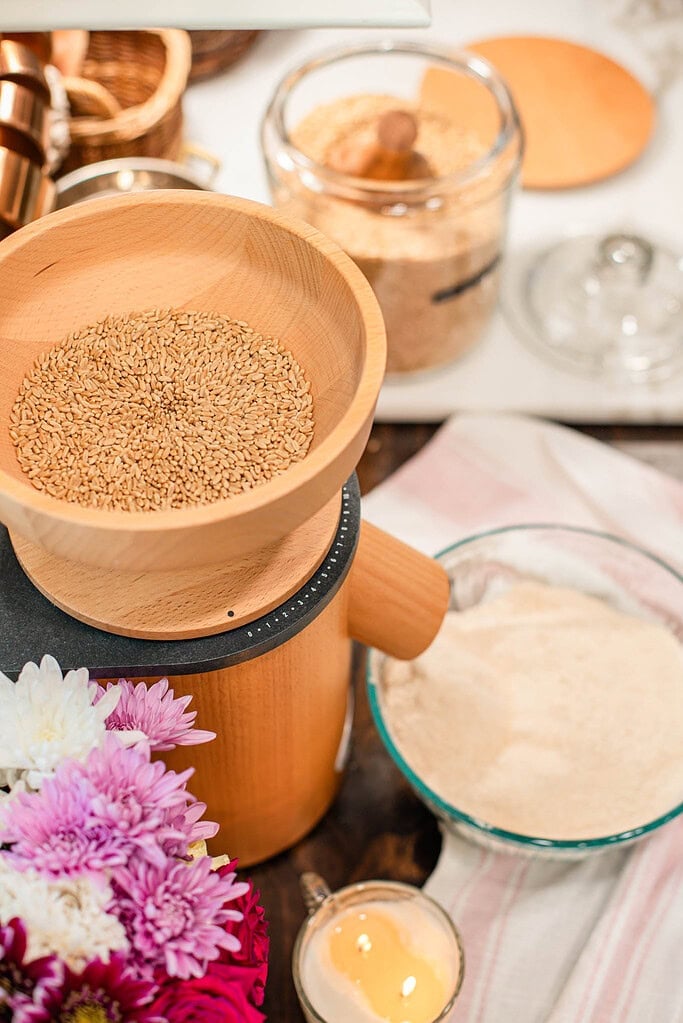
If you are brand new to milling, the Mill Your Own Flour at Home guide is a good place to start. When you are ready to source, Where to Buy Wheat Berries and Storing Wheat Berries for Long & Short Term covers where to buy and how to store your wheat and whole grains.
Wonderful, wonderful site! So glad I found it before starting my journey with fresh-milled flour. Thank you so much for sharing your knowledge. ~Mary
What You’ll Learn in This Guide
What Are Whole Grains and Wheat Berries?
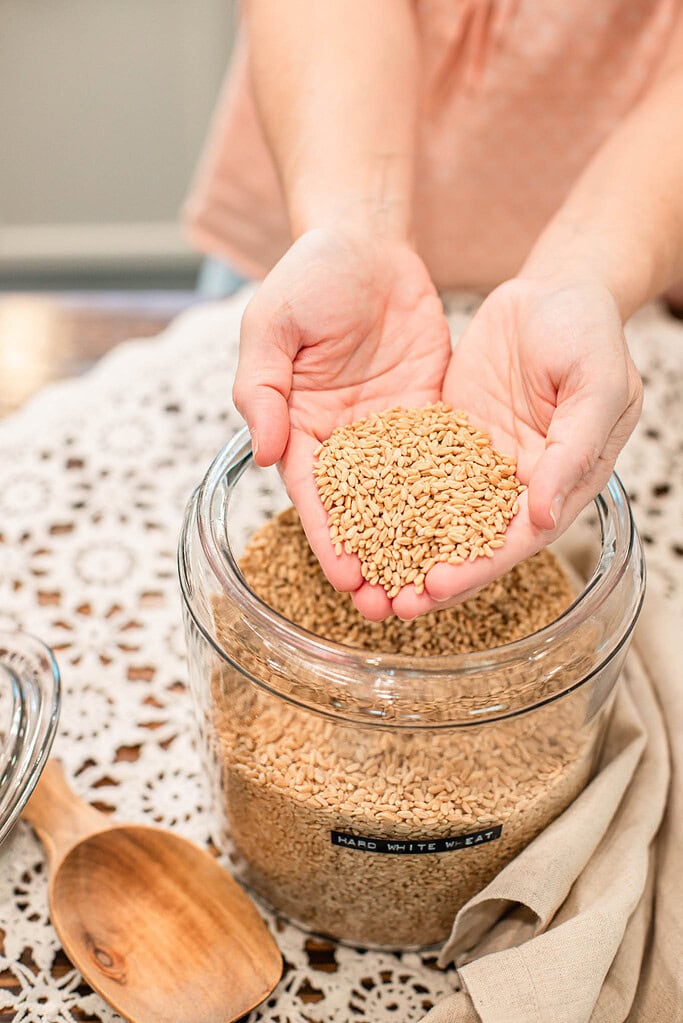
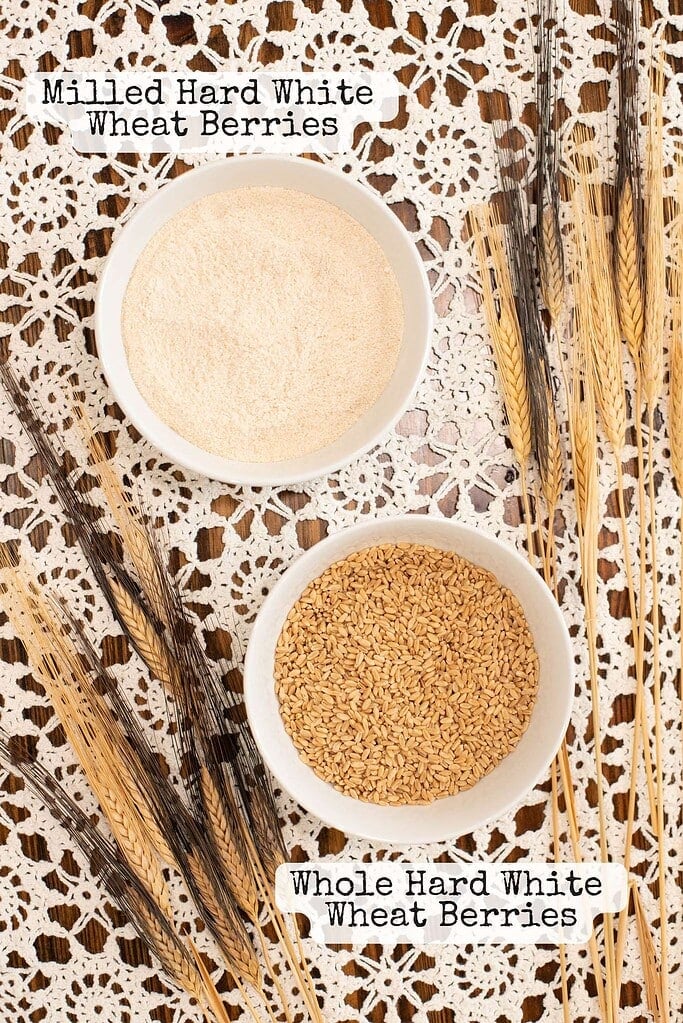
A wheat berry is simply a whole, unprocessed wheat kernel, the entire seed exactly as it comes from the plant.
A wheat berry has three parts: the bran, the germ, and the endosperm.
The bran is the outer layer that adds texture to fresh milled flour (this is the part that gets sifted out if you choose to sift), the germ is the seed’s core that carries natural oils and flavor, and the endosperm is the starchy inner layer that makes up most of the flour.
When you mill a wheat berry at home, all three parts stay intact, which is why fresh milled flour has a fuller aroma, richer flavor, and behaves differently in your dough than flour processed for shelf stability.
The grain you choose matters because different wheat varieties behave differently once they are milled.
Hard wheat has more protein and builds stronger gluten, which means better rise and structure for bread.
Soft wheat has less protein and produces a more tender crumb, which is exactly what cakes, cookies, and pastries need.
That one distinction, hard vs soft, is the foundation of every grain decision you will make as a home miller. Everything else builds from there.
Best Whole Grains to Mill at Home
What Freshly Milled Flour Is Actually Made Of
A wheat berry has three parts, and each one changes how your flour behaves in your baked goods:
- The bran – roughly 14 to 16 percent of the kernel. Contains fiber, B vitamins including thiamine, riboflavin, niacin, and B6, plus iron, magnesium, and zinc. Stays in when you mill at home.
- The germ – roughly 2 to 3 percent of the kernel. Contains vitamin E, folate, healthy fats, and antioxidants. The natural oils are why fresh flour smells alive and why milling close to bake time matters.
- The endosperm – roughly 83 percent of the kernel. Almost entirely starch and protein. This is what refined white flour is made from.
Commercial refining removes some of the vitamins and minerals in the whole kernel. Enriched flour adds back some of those. Freshly milled whole grain flour retains over 40 micronutrients in their natural form.
One important distinction: when we sift freshly milled flour, we are not refining it. Sifting removes some, but not all of the bran, to adjust the texture or make fermentation more visible. The germ, endosperm, and some bran are still whole and intact. Sifting at home and commercial refining are two entirely different things.
For guidance on storing fresh milled flour after milling, How to Store Freshly Milled Flour covers everything.
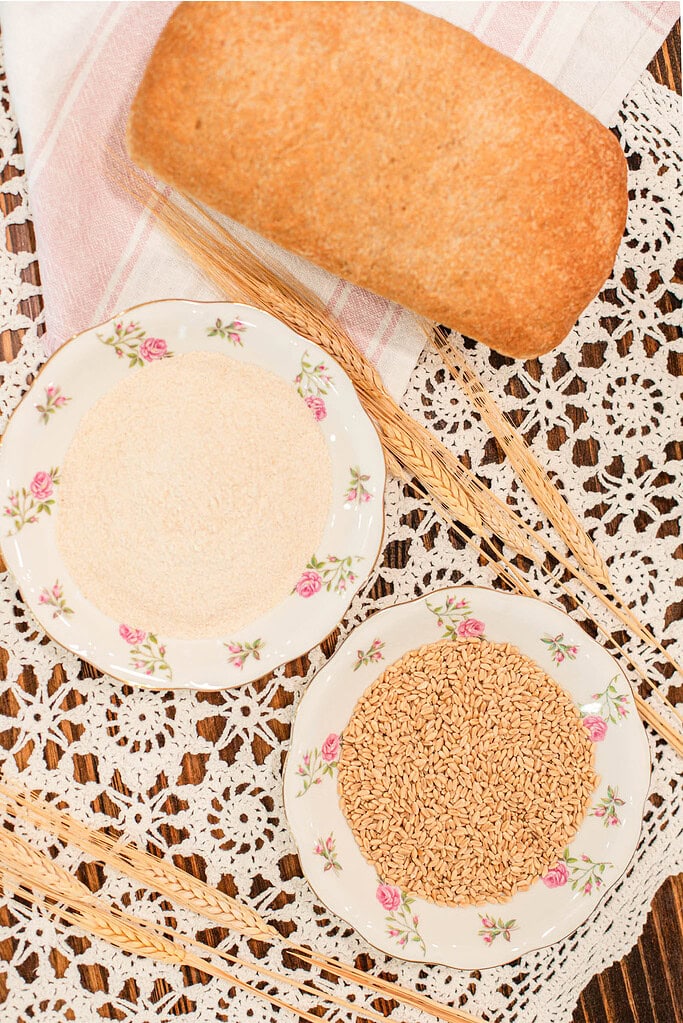
Best Grains for Bread, Sourdough, and Baking
For hearty breads and sourdough – Choose hard red wheat when you want strong gluten development, good rise, and a chewy crumb. This is the most reliable grain for rustic loaves and long-fermented sourdough. The How to Bake Sourdough With Freshly Milled Flour guide covers how to work with fresh flour in sourdough specifically.
For everyday loaves and sandwich bread – Use hard white wheat for a lighter color and milder flavor while still maintaining structure. For a flour that behaves closer to bread flour, the How to Make Bread Flour Blends from Freshly Milled Flour guide shows exactly how to build that blend at home.
For all-purpose style baking – Hard white wheat sifted through a #50 mesh gets you close to an all-purpose texture for everyday recipes. The How to Make All-Purpose Flour from Freshly Milled Flour guide covers the full blend and ratio.
For cakes, cookies, and pastries – Reach for soft white or soft red wheat when tenderness matters more than rise. The How To Make Cake & Pastry Flour from Freshly Milled Flour guide walks through the exact blend for delicate bakes.
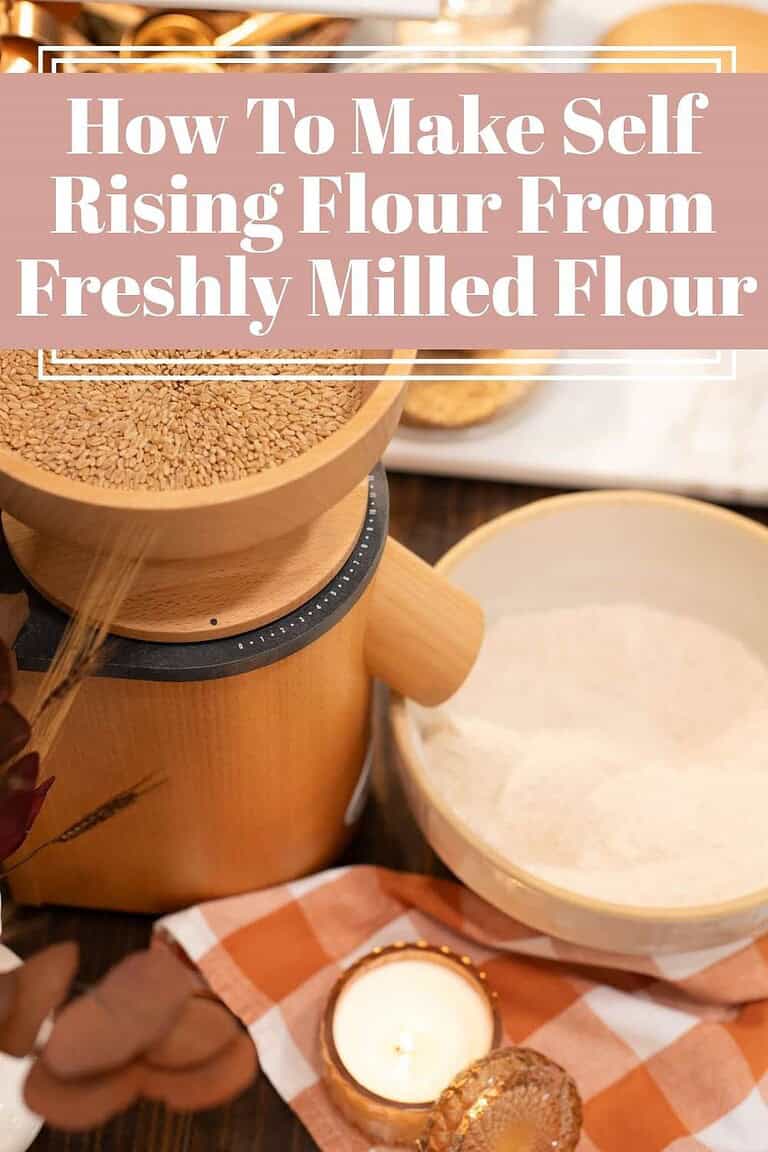
For quick breads and biscuits – Soft white wheat milled fine and blended with leavening gives you a reliable self-rising flour for everyday cottage baking. The How to Make Self-Rising Flour from Freshly Milled Flour guide covers the full method.
For flavor-driven or heritage baking – Add einkorn, spelt, emmer, or kamut when you want deeper flavor or traditional character. These grains shine when blended with hard wheat rather than used alone, especially for bread.
When blending grains – Think about texture first. If the bake needs structure, hard wheat should make up most of the blend. Soft wheat can be added for tenderness, but keep it under 30 percent to avoid weak dough and poor rise.
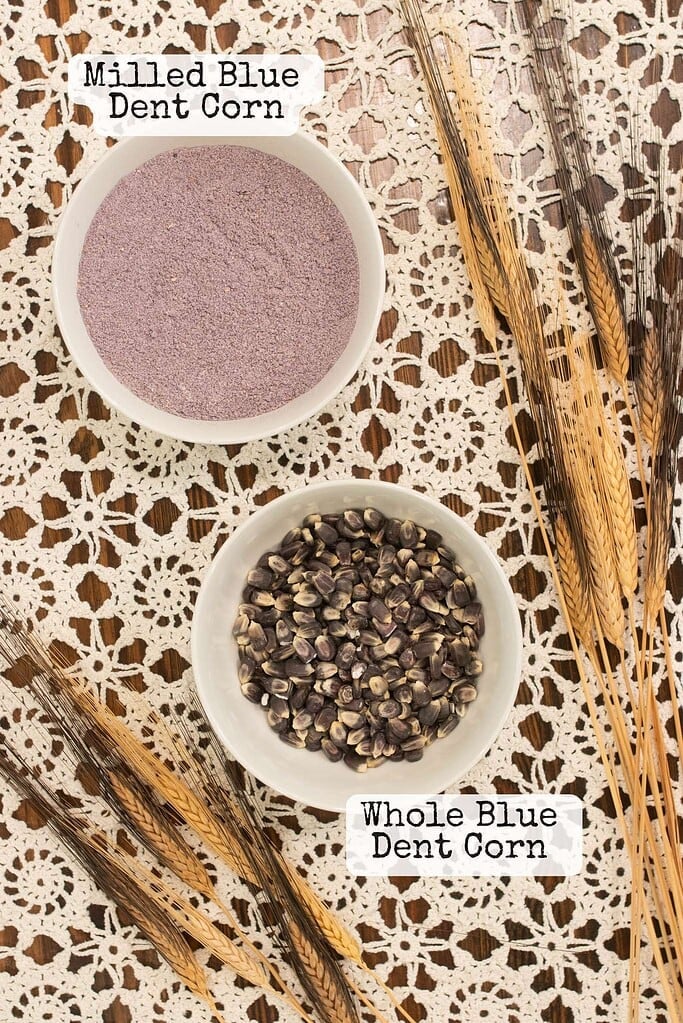
Other Grains You Can Mill at Home
Once you are comfortable milling wheat, other grains can add variety and flexibility to your kitchen. These are optional and best used intentionally rather than as everyday staples.
And depending on your mill setting, many of these grains can also be milled coarse for porridge, grits, and steel cut oats, which makes home milling one of the most versatile tools in a kitchen.
- Corn, dent corn – Mills well for cornmeal, polenta, cornbread, and grits. Use a coarse setting for grits and a finer setting for cornmeal and baking flour. Avoid popcorn, which is too hard for most home mills and can damage millstones.
- Oat groats – Naturally gluten-free and very tender. Mill fine for oat flour in pancakes, cookies, quick breads, and soft baked goods, or mill coarse for homemade steel cut oats. Because oat groats are higher in natural oils, oat flour is best used quickly or stored in the freezer.
- Rice, white and brown – Mills into a fine flour commonly used in gluten-free baking. White rice flour stores longer and has a neutral flavor, while brown rice flour is heartier but spoils faster due to higher oil content and should be stored frozen for best results.
- Buckwheat – A gluten-free pseudograin with a deep, earthy flavor. Works well in pancakes, crepes, and hearty quick breads. Its strong flavor is best balanced by blending with other flours rather than using it alone.
- Millet – Light, mildly sweet, and gluten-free. Mills into a tender flour for muffins, pancakes, and quick breads, or mill coarse for a mild, porridge-style hot cereal.
- Quinoa – Rinse and lightly toast before milling to reduce bitterness. Best used in small amounts blended with other flours rather than on its own.
- Amaranth – Nutty and bold in flavor. Works best in small amounts blended with other grains. Its strong taste can easily overpower a bake when used alone.
- Legumes, chickpeas, lentils, and dried beans – Mill into high-protein flours used for savory baking and flatbreads. Only mill fully dried legumes and store the flour in the freezer to maintain freshness.
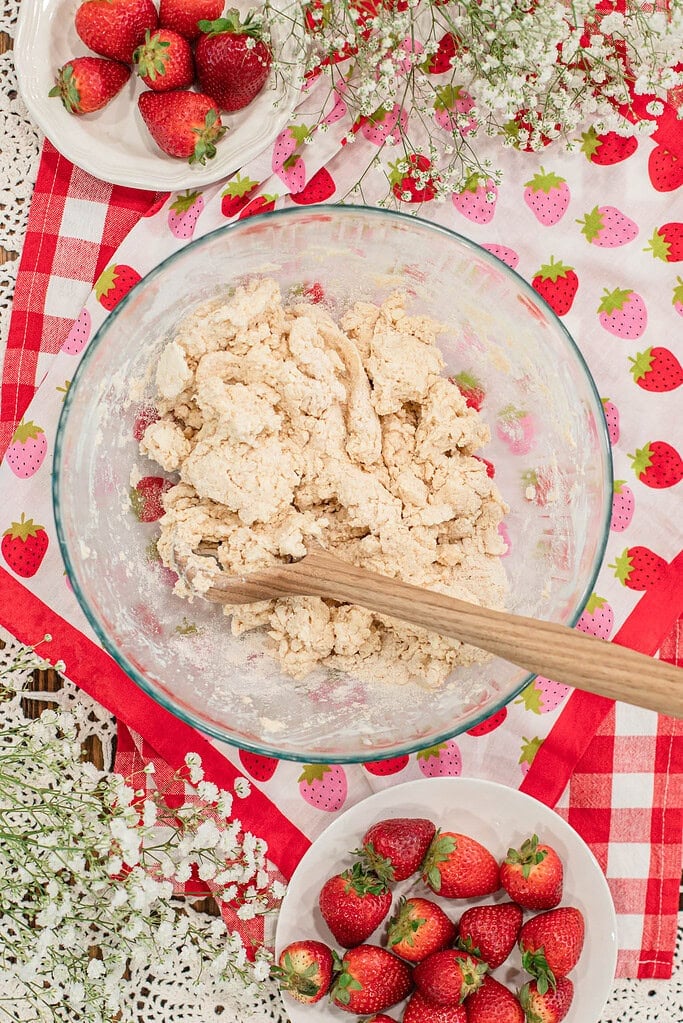
Whole Grain Baking Tips
Let dough rest for hydration – Freshly milled flour absorbs water differently than pre-milled flour because the bran and germ are fully intact. Giving the dough time to rest allows the bran to hydrate fully, improving texture and making the dough easier to handle from the first mix.
Use autolyse when baking bread – Mixing flour and water first, then resting before adding salt or starter, helps gluten develop naturally. This is especially helpful with fresh milled flour and leads to better structure without over-kneading.
Blend hard and soft wheat intentionally – When combining hard and soft wheat, keep soft wheat at no more than 30 percent of the total blend. Soft wheat is lower in protein and gluten strength, so hard wheat needs to make up the remaining 70 percent to provide proper structure, rise, and volume, especially for yeast breads and sourdough.
Sift only when it serves the bake – Sifting removes some of the coarse bran, which can be useful for cakes, pastries, and lighter breads. For rustic loaves and sourdough, keeping the bran adds flavor and character to the finished loaf. The How to Sift Freshly Milled Flour guide covers when sifting helps and when to skip it.
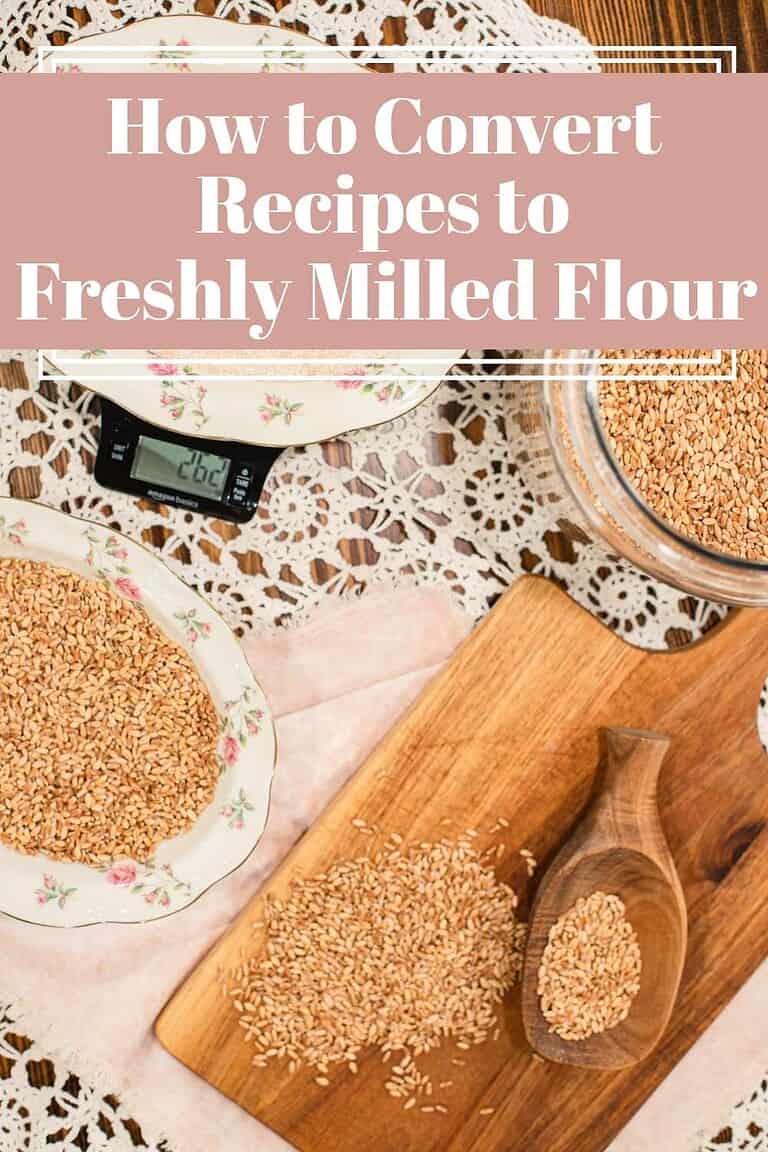
Weigh your flour after milling – Freshly milled flour weighs more than pre-milled flour because the bran and germ are intact. For the most consistent results, use a kitchen scale and convert gram for gram rather than relying on cup measurements. The How to Convert Recipes to Freshly Milled Flour guide covers the full conversion process.
Keep simple notes as you bake – Write down which grains you used, hydration levels, and how the dough behaved. Small notes make it easier to repeat successes and adjust confidently over time without starting from scratch every bake.
Do you want to learn more about freshly milled flour? The Cottage Mill is filled with guides and resources to walk you through recipe conversions, flour blends, and techniques to help you bake with freshly milled flour with confidence.
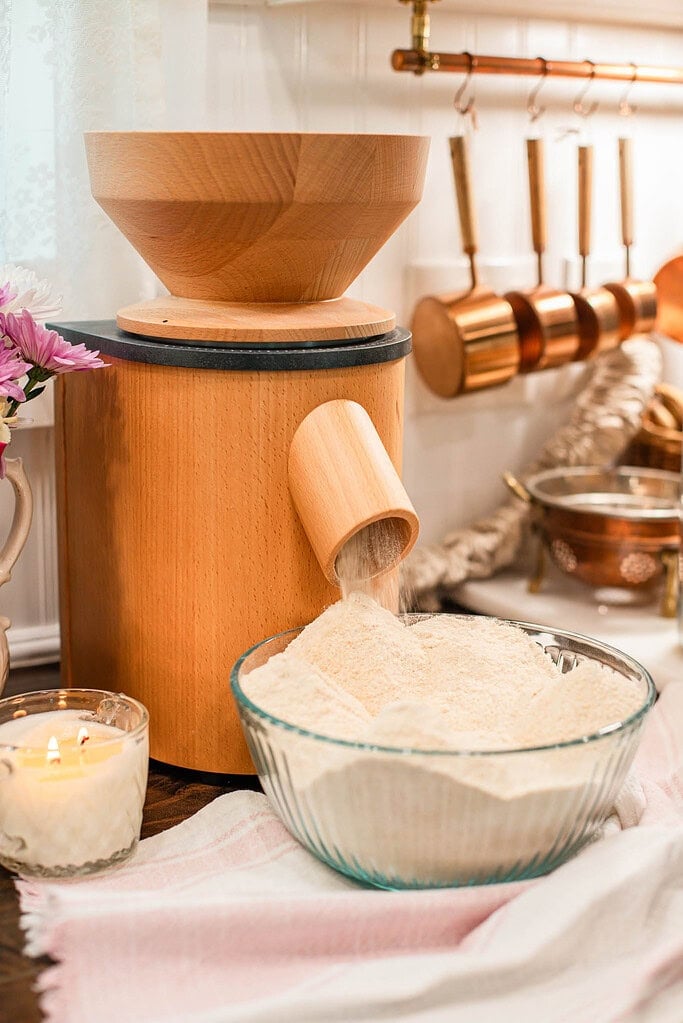
The Cottage Mill | Freshly Milled Flour Guides, Recipes, and More Await!
Cottage Living Community
Join the Cozy Cottage Living Community
Sign up for The Modern Day Cottage Community newsletter to receive recipes. how-tos, exclusives, and more from my kitchen to your inbox every week.
FAQ
More Fresh Flour Guides from The Cottage
Was this guide helpful?
Please share this post with others if you found this guide helpful.

Emily Rider
Home miller since 1999 with fresh-milled flour & sourdough experience. Sharing from-scratch recipes and traditional kitchen skills, rooted in the seasons and inspired by everyday cottage living and seasonal rhythms.