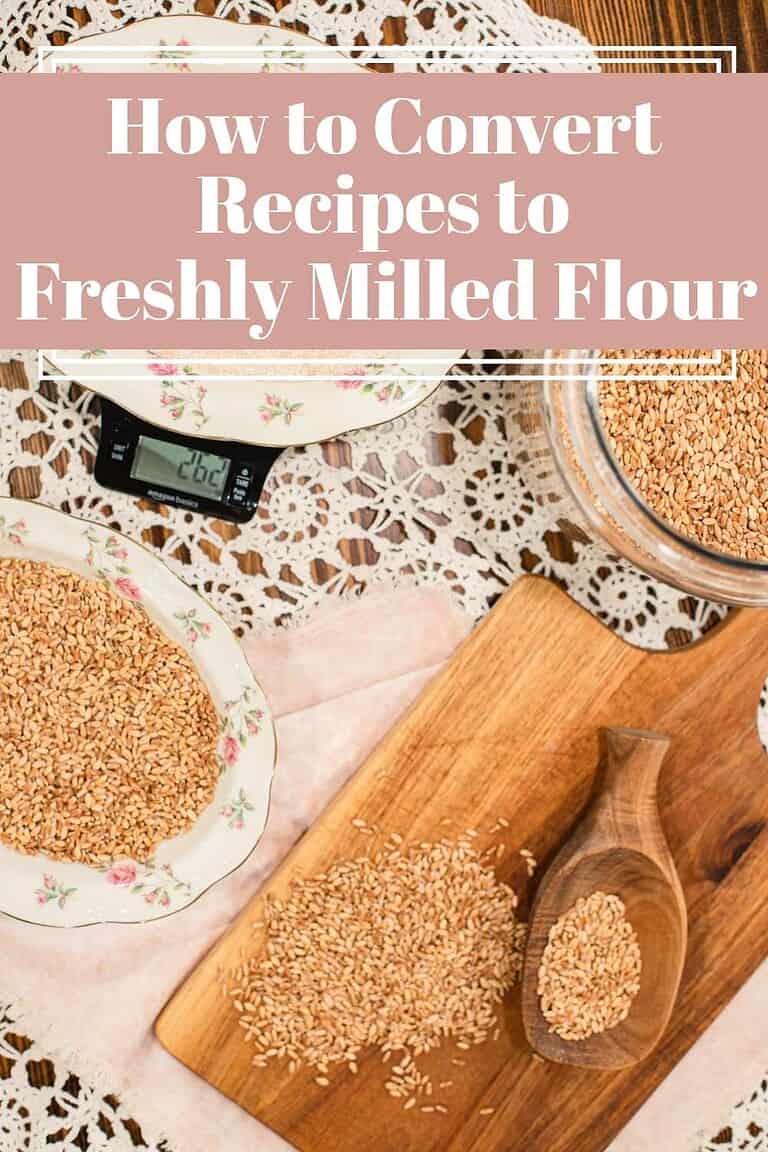

This freshly milled flour and sourdough glossary covers the terms that come up most in freshly milled flour and sourdough baking, from milling basics like extraction rate and bolting, to sourdough terms like levain and bulk ferment, to the bread slang that has made its way into the wider baking community.
Every definition is written for the home baker who mills their own flour, with notes on how each term connects to the way fresh milled flour and sourdough actually behave in the bowl.
If you are new to milling, Mill Your Own Flour at Home walks through the full process, How to Bake with Freshly Milled Flour covers the key adjustments, and Converting Recipes to Freshly Milled Flour handles hydration once you are ready to adapt your own recipes.
Note: PS: Bookmark this URL, Pin for later, or print it off and use it for referencing fresh milled flour, sourdough, and bread terms.
The Cottage Mill | Freshly Milled Flour Guides, Recipes, and More Await!
Flour & Milling Terms
Before the dough, there is the grain. These definitions help you understand what is actually in the bag or hopper and how milling choices shape the loaf.
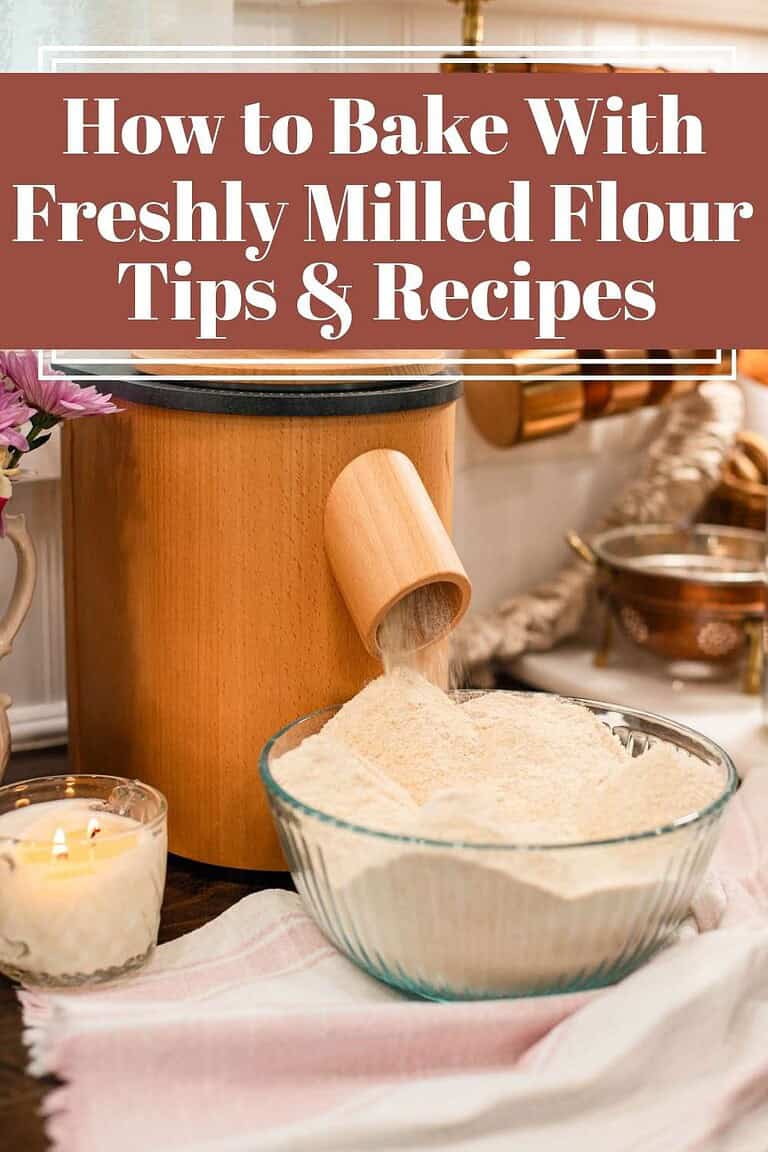
Fresh Milled Flour (FMF) – Flour you grind right before baking, containing bran, germ, and endosperm in their natural proportions. Because the germ oils and enzymes are still active, fermentation runs faster and the dough absorbs water differently — plan for shorter rests and watch the dough, not the clock.
Whole Grain Flour – Flour that includes the entire wheat berry: bran, germ, and endosperm. It brings a nutty flavor and deeper color, but the bran can shorten gluten strands and yield a denser crumb unless the process is adjusted. Hydration often needs a gentle bump.
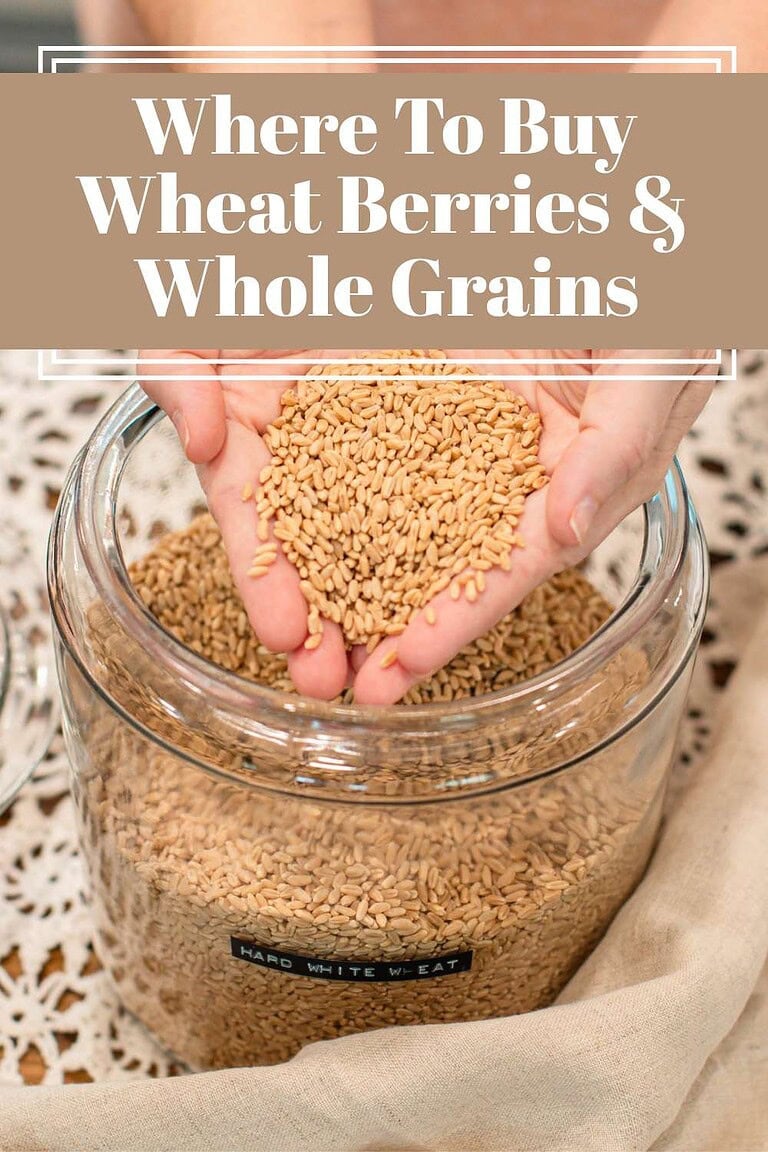
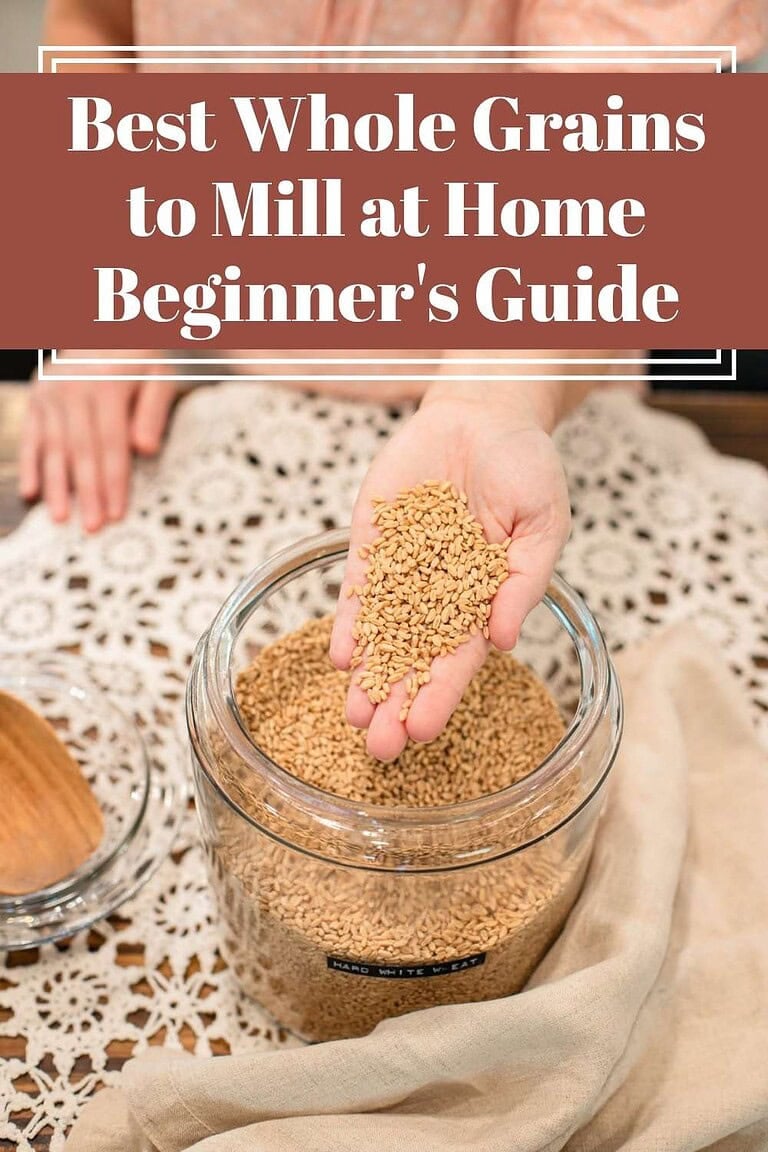
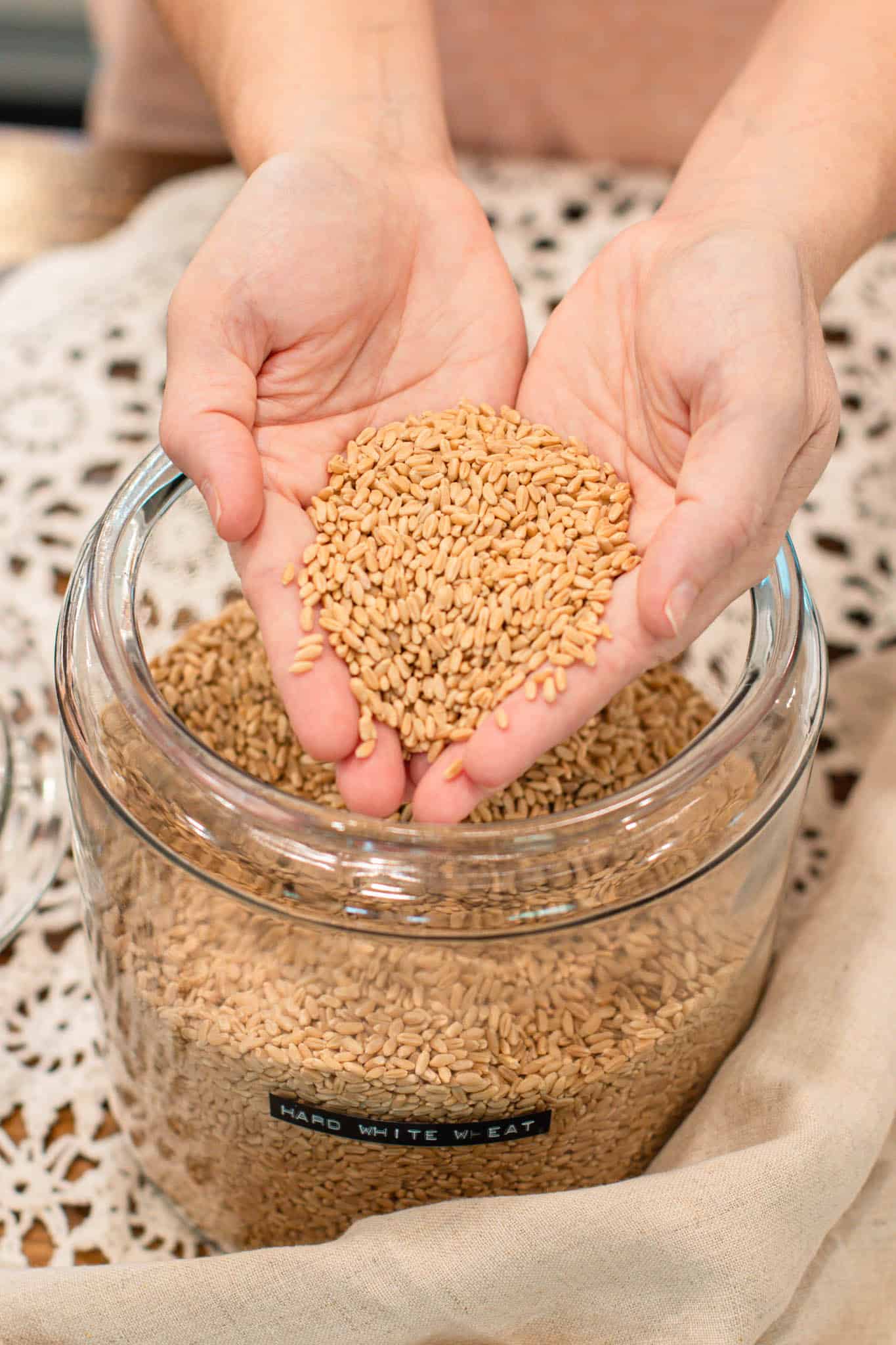
Wheat Berry – The intact seed of wheat, ready for storage or milling. Different classes — hard and soft, red and white, spring and winter — change protein content, flavor, and ideal use. Mill just what you need to keep the aroma bright. Where to Buy Wheat Berries covers sourcing, and Best Whole Grains to Mill walks through which variety works best for each type of bake.
Bran – The flavorful outer layer of the wheat berry. Large, sharp flakes can nick gluten like tiny confetti knives, tightening crumb — bolting or regrinding the bran to a finer texture softens the result. Toasted bran adds a gentle depth of flavor.
Germ – The oil-rich heart of the grain that carries flavor and contributes to the nutty aroma of fresh milled flour. Its natural oils shorten shelf life, which is why fresh flour should be used promptly or stored cool. How to Store Freshly Milled Flour covers the best approach for keeping it at its best.
Endosperm – The starchy center of the wheat berry, commonly milled into white flour. It provides structure and most of the fermentable starches. In high-extraction or white flours, it dominates both flavor and texture.
Extraction Rate – The percentage of the whole grain that remains in the flour after sifting. 100 percent extraction equals whole grain, around 70 percent resembles standard white flour, and mid-80s to 90 percent is considered high extraction. Bakers tune extraction to balance crumb openness, flavor depth, and baking behavior. Converting Recipes to Freshly Milled Flour covers how extraction rate affects recipe adjustments.
High-Extraction Flour – Flour with most, but not all, bran and germ retained — often 85 to 90 percent. It bakes lighter than whole wheat while keeping the wheat’s character. A good choice for open-crumb sourdough without giving up depth.
Green Flour – Freshly milled, unaged flour. The enzymes are highly active and the germ is vivid, so fermentation can run quicker and dough may feel more extensible than expected. Some bakers prefer a brief rest before mixing; others bake with it immediately and adjust timing as they go.
Enriched Flour – White flour with selected vitamins and minerals added back by regulation during processing. Labels vary by country and mill.
Bolting (Sifting) – Passing flour through a mesh to remove some bran and germ. Coarse bran can be re-milled and folded back for a softer crumb without losing flavor depth. Mesh numbers like #40 and #60 tell you how fine the sift is going. Sifting Freshly Milled Flour covers the full process and when it is worth the extra step.
Sieve – The mesh screen tool used for bolting. Finer meshes retain more bran and yield lighter flour; coarser meshes keep the texture more rustic. Consistency in mesh size matters more than speed.
Ash Content – A lab measure of the flour’s mineral residue, often correlating with how much of the grain’s outer layers remain. Higher ash usually means fuller flavor, deeper color, and slightly faster fermentation.
Grist – Coarsely ground grain from an early mill pass, before final milling or sifting. You can re-mill grist to refine texture or use it for hearty porridges and soakers.
Stone Mill / Stone Milling – Grain ground between stones, typically at cooler temperatures to preserve aroma. Particle size can be more varied, yielding characterful flour with pronounced bran pieces.
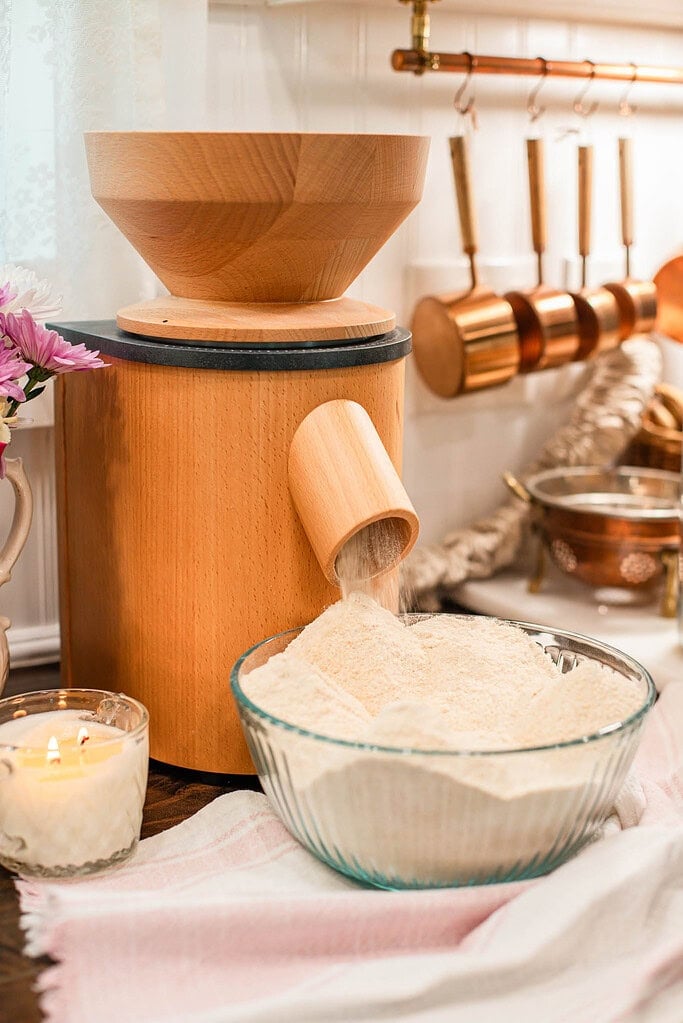
Roller Mill / Roller Milling – Steel rollers crack, scrape, and separate endosperm from bran and germ in precise streams. It produces very consistent, fine flour commonly used for white or blended flours. Tools for Milling Flour at Home compares home mill types if you are deciding between options.
Impact Mill – A high-speed home mill that shatters grain with small hammers or teeth. Compact and fast, producing fine flour quickly, though it may warm flour slightly — brief pauses between passes help keep temperatures gentle.
Maillard Reaction – The browning process where heat transforms sugars and amino acids into deep color and crust flavor. Steam timing and oven temperature both influence how boldly the crust develops. A touch of diastatic malt or a higher surface temperature speeds it along.
From Grain to Table
Step into The Cottage Mill: Fresh Milled Flour Guides, Recipes, and More Await!
Bread Making Ingredients
Simple ingredients, endless bread. These notes explain what each one does, especially when freshly milled flour is in the bowl.
Water – Hydrates starch and proteins, activating enzymes and beginning gluten formation. Warmer water speeds fermentation; cooler water slows it so flavor can develop. With fresh flour, add water gradually, absorption increases as the bran hydrates.
Salt – Seasons the dough, strengthens gluten, and slows fermentation. Artisan breads typically land near 2 percent of flour weight. Add after autolyse to keep the rest period gentle and uninterrupted.
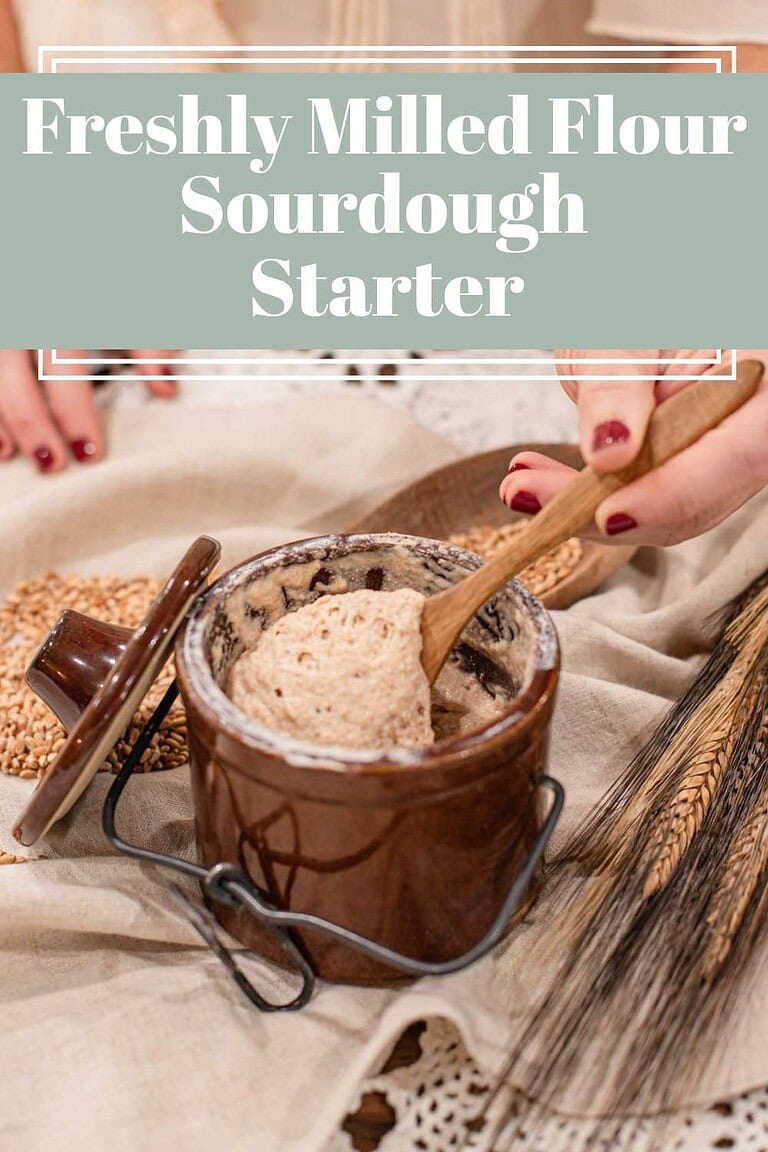
Starter (Sourdough Starter) – A living culture of wild yeast and lactic acid bacteria fed with flour and water. It leavens dough and contributes complex flavor and aroma. Freshly milled flour often makes starters more active, expect hungrier, faster cycles. Freshly Milled Flour Sourdough Starter covers how to build and maintain one.
Levain – A portion of starter built up specifically for a single bake, often at a known ratio like 1:2:2. Using a levain lets you control ripeness and flavor without affecting your main starter. Different flours, rye, spelt, hard wheat, shift acidity and fermentation speed.
Yeast (Commercial or Natural) – Instant or active dry yeast offer predictable lift; wild yeast in a starter brings complexity. Both produce CO₂ to leaven the dough, the dough’s strength and temperature determine how well that gas is held. A small amount of commercial yeast can stabilize sluggish winter doughs.
Hydration – Water percentage relative to flour weight. For example, 750 grams of water to 1000 grams of flour equals 75 percent hydration. Higher hydration can open crumb but demands strong gluten and gentle handling. Fresh flour often absorbs more water after a short rest.
Enzymes – Natural compounds like amylases that convert starches to simple sugars for yeast activity and crust browning. Fresh flour generally has livelier enzyme activity, which means faster fermentation and quicker crust color. Cooler temperatures and timely salt addition help keep the balance.
Diastatic Malt (optional) – Malted barley flour with active enzymes used in small amounts to support fermentation and browning in low-sugar doughs. Too much turns crumb gummy — a pinch, not a scoop.
Fats and Oils – Butter, olive oil, tallow, and similar ingredients tenderize crumb, extend freshness, and add flavor depth. Add during or after gluten development to avoid coating proteins too early. Enriched doughs proof more slowly but bake with a luxurious texture.
Sweeteners – Sugar, honey, maple syrup, and molasses contribute to browning and moisture. In sourdough, they can nudge fermentation speed, scale thoughtfully to avoid an overactive dough.
Vital Wheat Gluten – Concentrated gluten protein added to boost structure in low-protein flours or heavy-inclusion doughs. A tablespoon or two per loaf can help pan breads dome properly. Too much makes the crumb rubbery.
Gluten – The elastic network formed when wheat proteins hydrate and develop through mixing and folding. It traps fermentation gases and gives bread its chew. Time, folds, and gentle handling build gluten effectively, especially important with fresh flour, where the bran can interrupt the network.
Bread Shapes & Styles
Once the dough is ready, shape tells the story — rustic boule, supper-worthy loaf, or celebratory flatbread. Freshly milled flour works in every shape and style, though hydration and proof times may vary depending on the grain and any inclusions.
Loaf – The classic pan-baked shape for tidy slices and sandwiches. The pan supports softer, enriched, or higher-hydration doughs, making timing more forgiving. A reliable choice for families and a weekly baking rhythm.
Unloaf – Social slang for bread baked free-form on stone or steel rather than in a pan. Expect a bolder crust and a dramatic ear when scored well. See also: Boule and Batard.
Boule – A round, hearth-baked loaf with a rustic profile. The shape encourages upward oven spring and a handsome ear. A natural fit for soup nights and gatherings.
Baguette – Long and slender with a crackly crust and tender crumb. Tight shaping and strong surface tension are the keys — and practice is what gets you there.
Batard – An oval loaf, midway between a baguette and a boule. Easier to fit in home ovens and Dutch ovens, and it slices cleanly for sandwiches.
Flatbread – Any bread pressed or rolled thin: focaccia, pita, naan, tortillas, lavash. Shorter proofs, higher heat, and oil or steam create everything from tender pockets to olive-dimpled feasts.
Rolls and Buns – Individual breads from dinner rolls to hamburger and hot dog buns. Slightly enriched doughs stay soft and freeze well for busy weeks.
Scones – Tender quick breads, sweet or savory, cut into rounds or wedges. Handle gently to keep them lofty and crumbly rather than tough.
Popover – An egg-rich batter that balloons into hollow, crisp-edged rolls. Preheated tins and a very hot oven are what make them work.
Focaccia – Olive oil-bathed flatbread dimpled by fingertips before baking. Long ferments deepen flavor, and fresh milled flour adds a nutty character to the crumb. Easy Sourdough Focaccia with Freshly Milled Flour is a good starting point.
Ciabatta – A high-hydration Italian loaf with big, glossy holes and chewy crust. Minimal handling and well-developed gluten are what make the crumb open.
Brioche – A butter-and-egg enriched dough baked as loaves or buns. Slow, cool fermentation keeps it light and shreddable.
Hoagie / Sub Roll – Soft oblong rolls for hearty sandwiches. Slight enrichment and steam during baking yield a thin, pliant crust.
Filled Breads – Dough wrapped around fillings — kolaches, swirls, stuffed focaccia. Chill fillings and limit excess moisture to protect the dough structure.
Inclusions – Add-ins folded into dough: nuts, seeds, dried fruit, chocolate, cheese, herbs. Fold them in late during bulk fermentation to avoid tearing the gluten network.
Note: Freshly milled flour works in every shape and style, but hydration and proof times may vary depending on the grain and the inclusions. To learn more, read this guide: How to Bake with Freshly Milled Flour
Sourdough Terms
Wild yeast, friendly bacteria, and time — this is the hush and hum of a sourdough starter and its ways. Freshly milled flour ferments faster because the bran and germ feed the yeast readily and the enzymes are still highly active. Always watch your dough, not the clock.
Sourdough Starter – A living culture of flour and water inhabited by wild yeast and lactic acid bacteria. It leavens bread and adds a complex aroma; consistent feeding schedules keep it strong. Freshly milled flour often makes starters hungrier and quicker to ferment.
Discard – The portion of starter removed before feeding to keep acidity and size in balance. Use it for crackers, pancakes, brownies, and quick bakes. Sourdough Discard Pancakes and Waffles and Sourdough Discard Granola are two good places to start.
Hooch – A thin grey or amber liquid that forms on an underfed starter — essentially alcohol produced by the yeast. Stir it back in or pour it off, then feed. Frequent hooch means your feedings need to be longer, larger, or both.
Float Test – A spoonful of starter or levain dropped in water. Floating suggests it is airy and near peak activity. It is a rough indicator, not gospel — dense whole grain starters may be ready even if they sink. Use alongside smell, rise height, and bubble size.
Stretch and Fold – Gentle strengthening during bulk fermentation: stretch one side of the dough up, fold it over, rotate the container, and repeat. Perform three to four rounds spaced 30 to 45 minutes apart. With fresh flour, stop when the dough feels springy — over-handling can tear bran-softened gluten.
Coil Fold – Lift the dough from the center and tuck it under itself so it coils. Ideal for very wet doughs where traditional folds smear. Builds strength without degassing.
Bulk Ferment – The first rise after mixing salt and levain. Watch for signs rather than strict hours — a smoother surface, a 30 to 60 percent rise, and bubbles at the edges. With lively fresh flour, these signs come faster than expected.
Cold Retard (Cold Ferment) – A long chill, often overnight, to slow fermentation, sharpen the ear, and deepen flavor. It also tightens the dough for easier scoring and more flexible scheduling.
Overnight Ferment – Any planned long rest that spans evening to morning. Cooler rooms handle it well; warmer kitchens may need shorter times or a partial refrigerator rest. Baking Sourdough with Freshly Milled Flour covers timing adjustments specific to fresh flour.
Stiff Starter – A lower-hydration starter, often around 50 to 60 percent, that ferments more slowly and produces a milder flavor. Useful for enriched doughs and warm kitchens where standard starters move too fast.
Sweet Starter – A frequently fed, low-acid starter ideal for delicate bakes like panettone or milk breads. Gentle acidity preserves tenderness and keeps butter flavor forward.
Amish Friendship Bread Starter – A sweet, milk-and-sugar-enriched starter shared between households. It functions more like a pre-ferment for quick breads than a classic lean sourdough — treat it as its own tradition rather than a substitute.
Potato Starter – A heritage starter using potato water or mashed potatoes to feed wild yeast. It produces a mild, pleasantly moist culture well suited to soft sandwich loaves.
Blisters – Tiny translucent bubbles on the crust that form from cool proofing and good steam during baking. A cold retard and strong surface tension both encourage that bakery-style appearance.
Kahm Yeast – A harmless, matte white film that sometimes forms on ferments. It signals an airflow or feeding imbalance — scrape it away, clean the jar, and refresh with regular feedings and clean tools.
Lactic Acid – The gentle, yogurty acidity produced by lactic acid bacteria in starter and dough. It balances flavor, supports gluten structure, and extends shelf life. Warmer, wetter doughs trend more lactic.
Mother – Another name for your primary starter — the culture you maintain and build levain from. Consistent feedings, a clean jar, and a stable temperature rhythm are what keep her strong.
Oven Spring – The dramatic rise in the first minutes of baking as gases expand and starches set. Strong shaping, correct proof level, and bold steam at the start of the bake make it sing.
Phytic Acid – A natural compound found in grain that binds to minerals in the dough. Long ferments and soakers both reduce its presence in the finished loaf.
Second Rise (Proof) – The final rise after shaping. In pan loaves, aim for the dough to crest just above the rim. For hearth loaves, look for a gentle jiggle and use the poke test to confirm readiness.
Shaping – Creating tension and form — boule, batard, buns — so the loaf rises upward rather than outward. Gentle handling preserves gas. A brief rest between pre-shape and final shape helps if the dough is resisting.
Note: Freshly milled flour ferments faster as the bran and germ feed yeast readily, and the enzymes are still highly active. Always watch your dough, not the clock. To learn more, read this guide: How to Bake Sourdough With Freshly Milled Flour | Beginner Guide
Special Techniques & Styles
Old-world methods and newer approaches, all built to improve tenderness, flavor, and structure in the finished loaf.
Tangzhong – A cooked paste made from roughly one part flour to five parts liquid, heated until the starch gelatinizes. Mixed into the dough before baking, it locks in moisture for a pillowy, shreddable crumb that stays soft longer. A good technique for rolls and milk breads.
Hot Soak – Recipe liquid heated to around 180°F and poured over all or most of the flour, then rested for 30 to 60 minutes before mixing. This softens the bran, boosts extensibility, and produces similar results to a scald without requiring sifting. Cool the mixture before adding starter or yeast.
Yudane – Boiling water poured over a portion of flour at roughly a 1:1 ratio by weight, then rested before mixing into the full dough. Similar in goal to tangzhong but simpler to execute. The crumb stays tender for days.
Soaker – Whole or cracked grains, seeds, or bran soaked in water or milk to soften them and prevent them from pulling hydration out of the dough. Add during mixing once the soaker has cooled.
Preferment – Any mixture of flour, water, and leavening that ferments before the final dough is mixed — poolish (wet), biga (stiff), or sponge (general). Preferments add flavor complexity, dough strength, and scheduling flexibility.
No-Knead – A method where time and hydration replace intensive mixing. Long rests and gentle folds allow gluten to develop on its own. A natural fit for relaxed baking rhythms.
Biga – A firmer Italian preferment that builds strength and a mild, sweet aroma. Particularly useful for airy yet well-structured loaves.
Degas – To gently press out excess gas before shaping in order to redistribute bubbles. Press softly — this is not punching down like a yeasted cake dough.
Elasticity and Extensibility – Elasticity is the dough’s ability to spring back when stretched; extensibility is how far it stretches before tearing. Well-developed dough resists slightly but yields gracefully under your hands.
Fermentolyse – Combining the autolyse and levain addition in one step — flour, water, and levain rest together before salt is added. Useful when timing is tight. Salt still waits to avoid slowing hydration.
Lamination – Spreading the dough into a thin sheet during early bulk fermentation to distribute inclusions evenly and build strength. The technique uses gentle letter-folds rather than the layering method used in pastry.
Poke Test – A quick readiness check during final proof: press a floured finger into the dough. A slow, partial spring-back means it is ready to bake. A quick bounce means it needs more time.
Tensioning – Creating surface tightness during pre-shape and final shape so the loaf holds its form and springs upward in the oven. The bench surface does half the work — use it deliberately.
Windowpane Test – Stretch a small piece of developed dough until it is thin and translucent without tearing. A clear window means gluten is developed enough to move to the next step.
Equipment
Tools are not complicated — they are faithful. A few well-chosen pieces make fresh milled and sourdough baking calmer and more consistent.
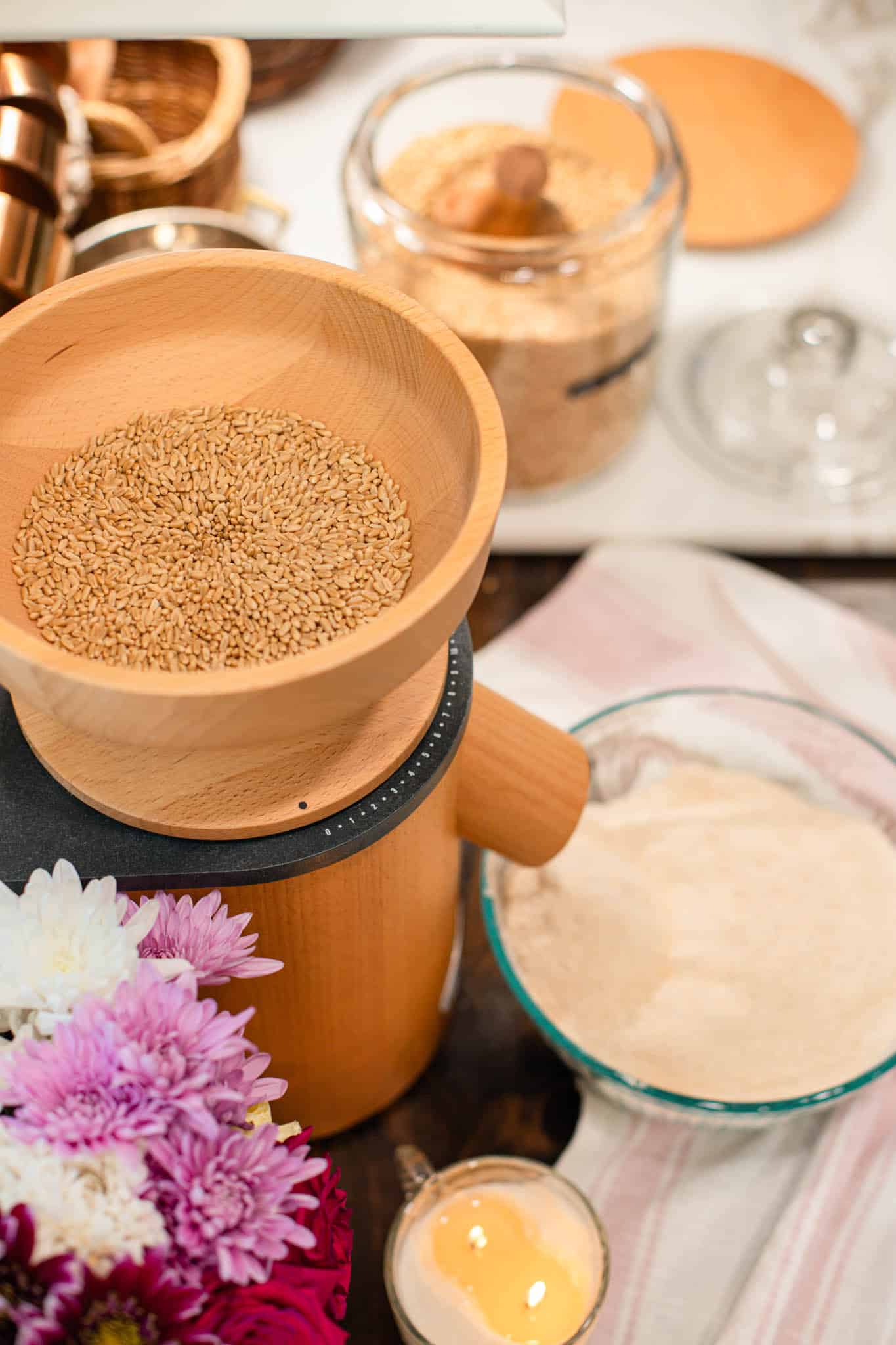
Grain Mill – The foundation of fresh milled baking, stone, impact, or burr models each grind differently. Choose based on texture control, milling speed, and heat management. Clean routinely to keep the flour flavor pure. Tools for Milling Flour at Home covers the main home mill options in detail.
Banneton – A woven or cane basket used for the final proof, encouraging shape and airflow around the dough. Use with a light dusting of rice flour to prevent sticking and reveal the spiral pattern on the finished crust.
Dutch Oven – A heavy cast iron pot with a lid that traps steam during the first minutes of baking for dramatic oven spring and a blistered crust. Preheat with the oven for best results.
Bench Scraper – A flat, sturdy blade that lifts sticky dough, cleans the work surface, and assists with shaping. It functions as an extension of your palm — gentle but decisive.
Lame – Pronounced “lahm,” a handled razor used to score dough so it opens in a controlled direction. Angle, depth, and confidence are what draw ears and patterns. Replace blades often for clean cuts.
Danish Whisk (Dough Whisk) – A looped-wire tool that combines flour and water quickly without clogging. Useful for initial mixing and for high-hydration doughs that would clog a standard whisk.
Scale – A digital scale accurate to one gram ensures repeatable results and makes baker’s percentages straightforward. Tare between additions and weigh rather than measure by volume for consistency.
Cambro Container – A clear, straight-sided tub used for bulk fermentation with volume marks on the side. It makes rise percentage easier to judge and cleanup straightforward.
Couche – A heavy linen cloth that cradles baguettes or batards during the final proof. It supports the shape and wicks a small amount of moisture from the surface for better crust development.
Peel – A flat paddle in wood or metal used to move loaves to and from a baking stone or steel. Dust lightly with semolina or rice flour before loading for a clean release.
From Grain to Table
Step into The Cottage Mill: Freshly Milled Flour Guides, Recipes, and More Await!
Trending Baking Slang
The online baking community is always adding to its vocabulary. These terms come from the bread community on TikTok and beyond — knowing them helps you feel at home in the conversation.
Crumbshot – A photo of a sliced loaf’s interior, shared to show fermentation level, hydration, and how inclusions were distributed. A well-executed crumbshot is its own kind of brag.
Unloaf – Shorthand for any bread baked free-form on stone or steel rather than in a pan. It celebrates wild ears, bold blisters, and hearth-loaf character.
Breadfluencer – A creator who teaches, inspires, or documents their bread baking online. Expect tips, technique breakdowns, and many crumbshots.
Open Crumb Envy – The good-natured longing for large, glossy holes in a sourdough crumb. Technique and patience matter more than chasing higher hydration alone.
Breadcation – A day or weekend dedicated to baking, resting, and resetting. A buttered slice is the natural endpoint.
Blooming – Either activating commercial yeast in warm water before mixing, or the way a scored loaf opens and expands in the oven. Context tells you which meaning applies.
If you hear a new term in the bread community, leave it in the comments and I will add it to the list.
FAQ
Cottage Living Newsletter
Join the Cottage Living Community
Seasonal recipes, cozy cottage projects, simple from-scratch living, and gentle inspiration for homemakers who crave a slower rhythm rooted in home and heart.
Did you liked this glossary guide?
If you learned something valuable, I’d be so grateful if you would share with others. Use the buttons below to share, comment, or connect.

Emily Rider
Home miller since 1999 with fresh-milled flour & sourdough experience. Sharing from-scratch recipes and traditional kitchen skills, rooted in the seasons and inspired by everyday cottage living and seasonal rhythms.