
In this guide, you’ll learn how to bake with freshly milled flour, what makes it different, what to expect, and how to adjust your baking process with confidence.
Fresh flour behaves differently from bagged flour, and understanding those differences will help your breads, cakes, and pastries turn out consistently.
Freshly milled flour absorbs more water, ferments faster, and brings fuller flavor, deeper color, and a more rustic texture to every bake. Once you get to know how it behaves, you’ll find it becomes intuitive—your hands will tell you what the dough needs long before the timer does.
This post may contain affiliate links. Please read our disclosure policy for details.
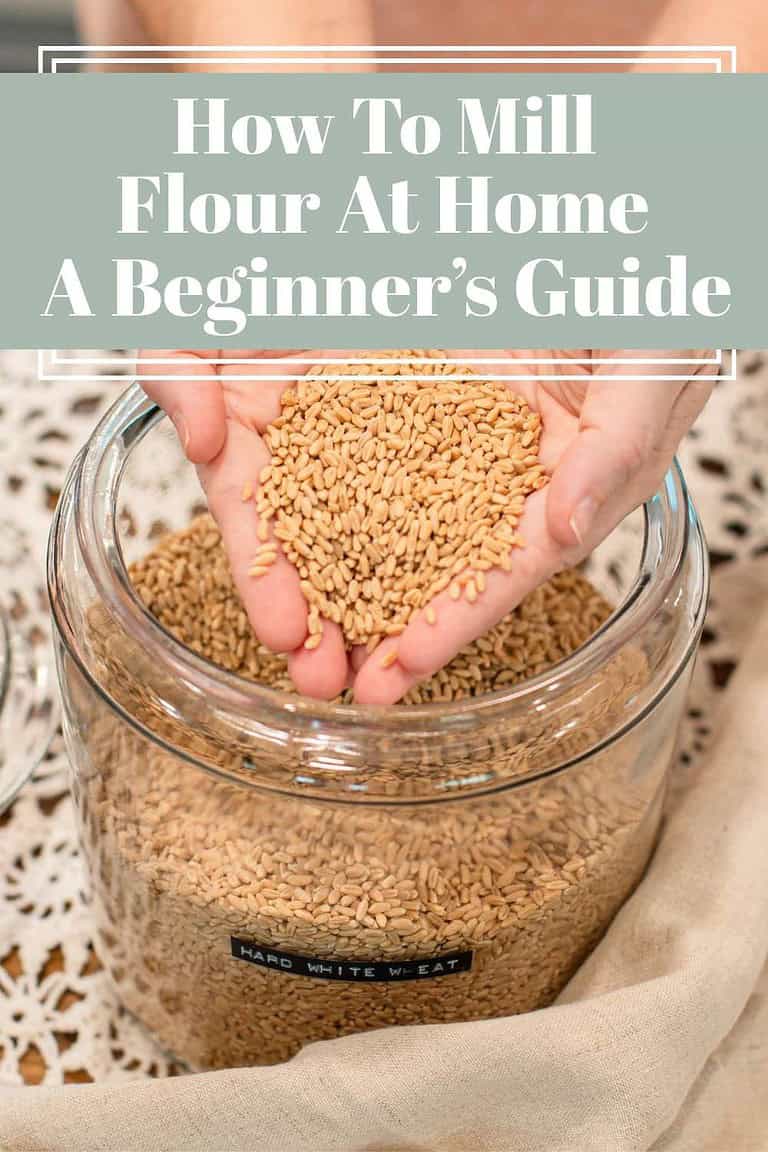
If you’re just getting started, you might like these too: How to Mill Flour at Home | A Beginner’s Guide for the basics, and How to Convert Recipes to Freshly Milled Flour when you’re ready to adapt your favorites.
A Cottage Milling Note
I’ve baked with fresh flour for decades. Each loaf always teaches me something new. One loaf rises higher, another bakes a bit denser, but each one carries a richness and aroma you simply don’t get from store-bought flour.
If your first bake feels unpredictable, don’t let that discourage you. Every adjustment, adding a touch more water, giving the dough an extra fold, shortening the proof, teaches you how to read your dough. That learning curve becomes part of the joy.
Milling flour is a heritage skill rooted in home kitchens long before flour was commercialized. As more bakers return to whole grains, I’m grateful to pass along what years of hands-on practice have taught me.
Why You’ll Love This Guide

Why Fresh Milled Flour Is Different
Flavor and aroma – Fresh flour tastes nutty, sweet, and earthy. Even simple bakes have depth and warmth.
Texture – The bran and germ remain in the flour, so doughs feel heartier and can bake denser unless hydrated properly or lightly sifted.
Fermentation – Fresh flour contains active enzymes that speed up fermentation. Proofs often move faster, especially in warm kitchens.
Color – Natural oils and sugars cause baked goods to brown quickly. Tent sensitive doughs if needed.
How Fresh Milled Flour Behaves
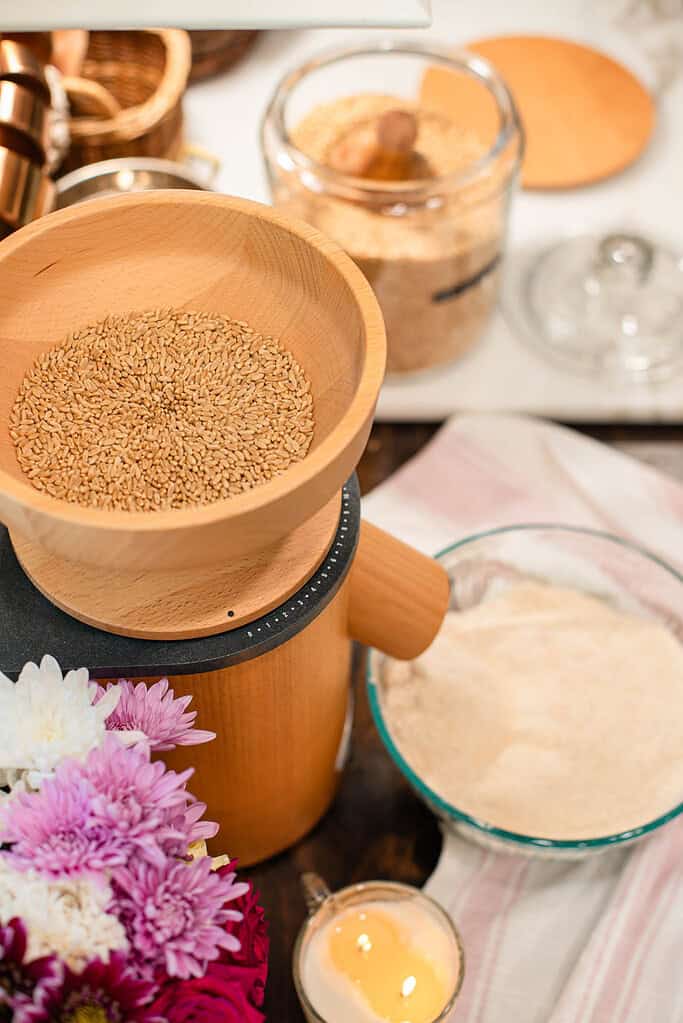
Hydration – Expect to add more liquid. Fresh flour absorbs water slowly at first, then suddenly becomes firm as it hydrates.
Gluten development – Bran can interrupt gluten strands. Extra kneading, stretch-and-folds, or longer rest periods give the dough time to strengthen.
Dough feel – Fresh flour dough often feels sticky or loose early on. A 20–30 minute rest allows bran to soften and the dough to tighten naturally.
Elasticity – It may feel less springy than white flour doughs; this isn’t a weakness. Handle it gently, and it will reward you with structure and flavor.
Adjusting Recipes for Fresh Milled Flour
Fresh flour doesn’t replace all-purpose flour 1:1 without adjustments. Here’s how to bridge the gap:
Increase Hydration – Most recipes benefit from 1–2 tablespoons extra liquid per cup of fresh flour—added gradually.
Extend Rest Periods – Autolyse and bulk rest soften the bran and support gluten formation.
Modify Fermentation Time – Shorten proofing to avoid over-fermentation. Warmer kitchens need closer monitoring.
Adapt Texture Expectations – Whole grain doughs look rustic and bake fuller. Gentle shaping and proper hydration help prevent heaviness.
Use Grain Blends Wisely
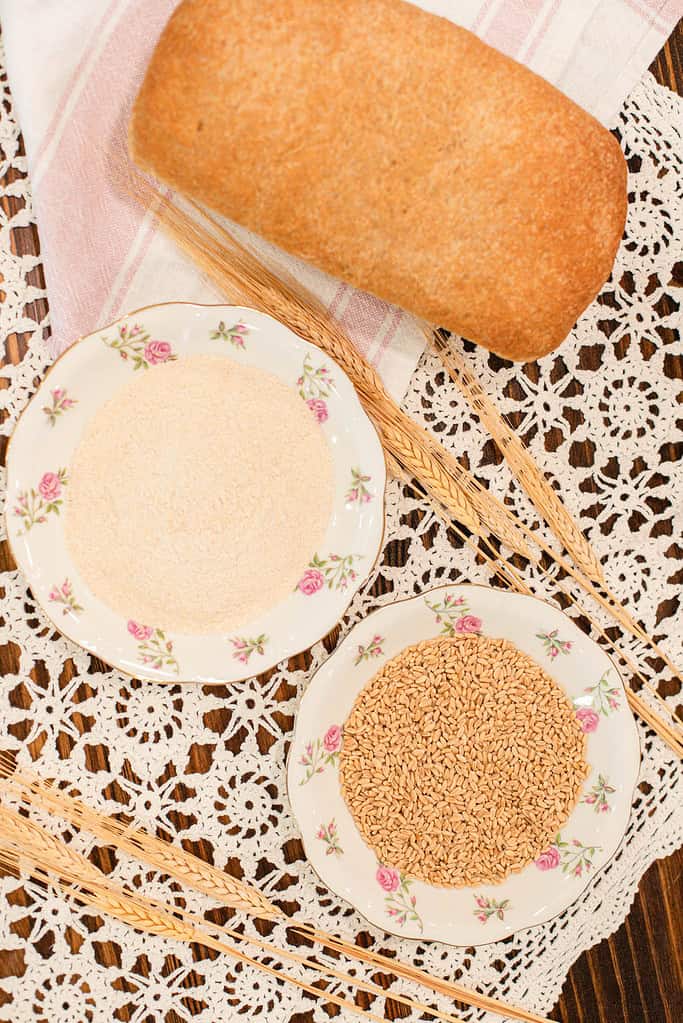
- Hard red/white wheat = structure and rise
- Soft wheat = tender baked goods
- Spelt/einkorn = fragile gluten, shorter mixing
- Rye = boosts fermentation
Guide Tips
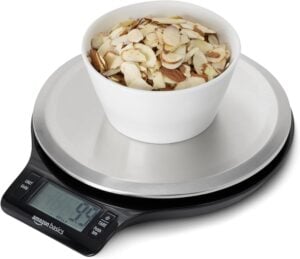
Weigh Your Flour – Fresh flour is lighter right after milling, so cups can vary dramatically. Weighing flour keeps hydration consistent.
Start With Partial Swaps – Replace 25–50% of the flour at first while learning feel and timing, then work toward 100% fresh flour if desired.
Hydration Rule of Thumb – Expect to add more liquid. Always judge by softness, elasticity, and dough feel—not numbers alone.
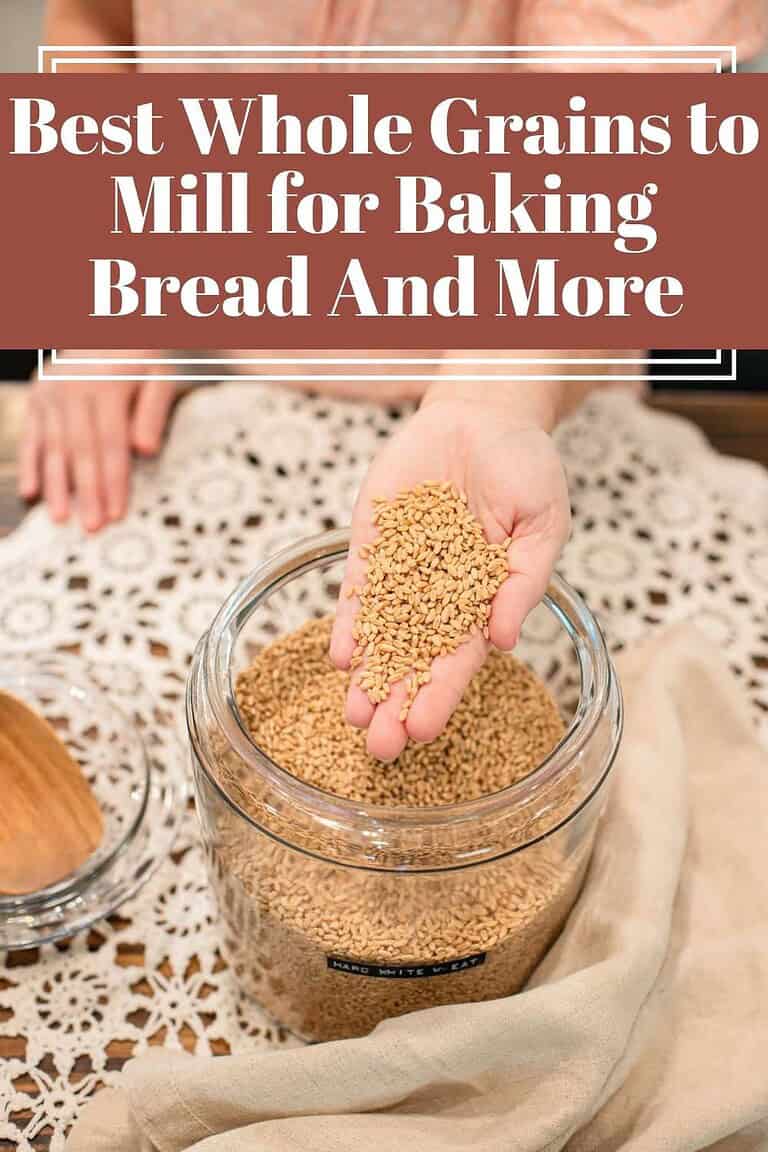
Know Your Grains – Hard wheats benefit from higher hydration; soft wheats and ancient grains need gentler handling and shorter mix times. Keep a Conversion Note, Create a simple chart for your go-to recipes with cup-to-gram conversions and the hydration adjustments that worked for you. To learn more about what grains to use for specific recipes, read this guide: Best Whole Grains to Mill for Baking Bread & More.
Beginner Mistakes and How to Avoid Them
FAQ
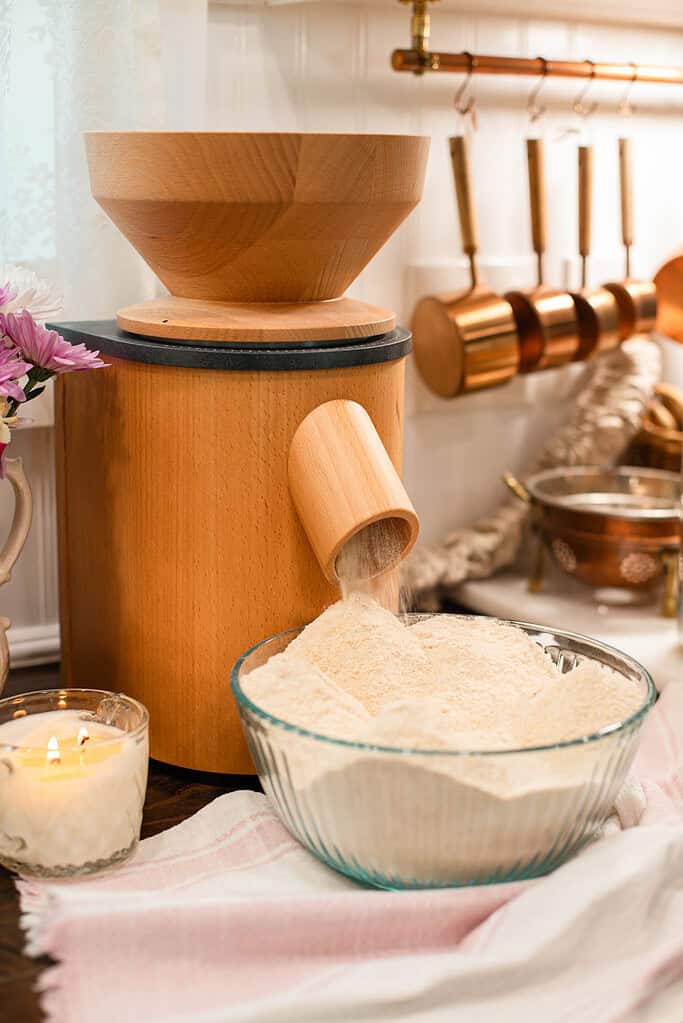
Step into The Cottage Mill: Freshly Milled Flour Guides, Recipes, and More Await!

More Freshly Milled Flour Guides
Cottage Living Newsletter
Join the Cottage Living Community
Seasonal recipes, cozy cottage projects, simple from-scratch living, and gentle inspiration for homemakers who crave a slower rhythm rooted in home and heart.
Thank you for spending time with me here at The Modern Day Cottage. My hope is that each guide helps you mill and bake with more confidence. May your jars be ever full, and your loaves rise high.
With love & gratitude,
Emily
Did you liked this Fresh Milled Flour guide?
If you learned something valuable, I’d be so grateful if you would share with others. Use the buttons below to share, comment, or connect—I truly enjoy seeing and celebrating your fresh flour journey.

Emily Rider
Cottage lifestyle blogger and home miller with 25+ years of sourdough and fresh-milled flour experience.
Sharing cozy homemade recipes that help you bake with confidence, celebrate each season, and savor the beauty of everyday cottage living.