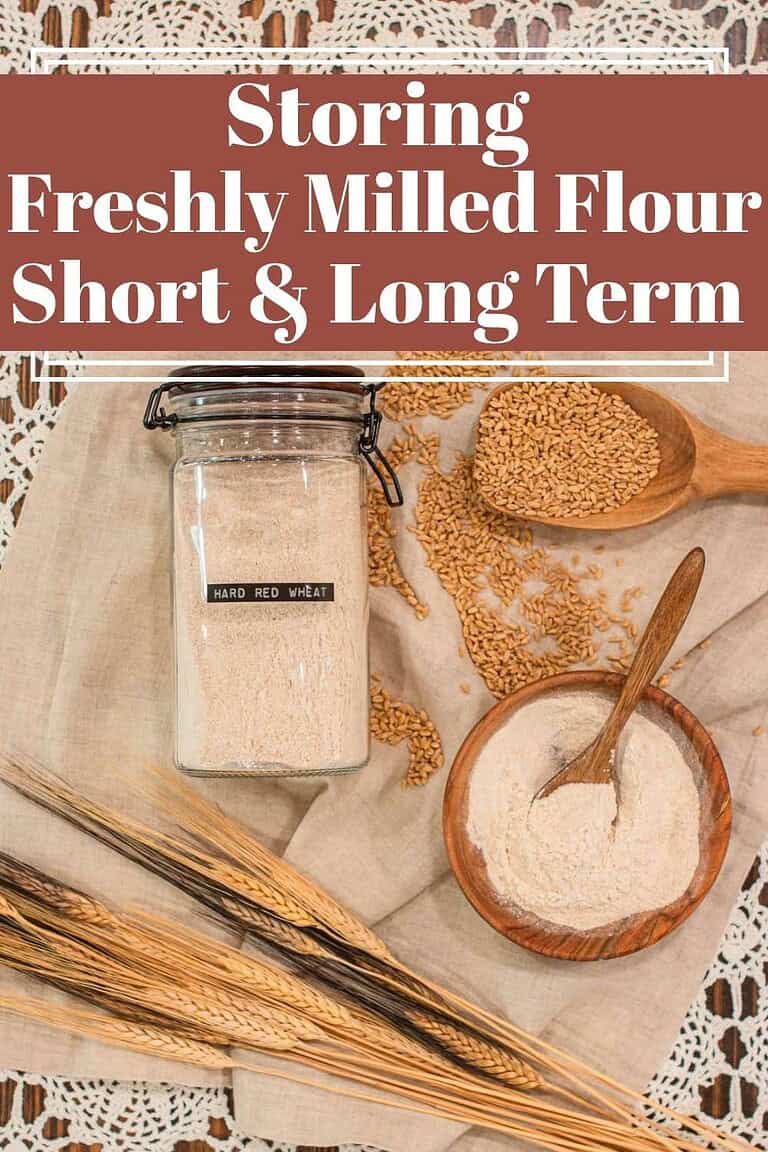

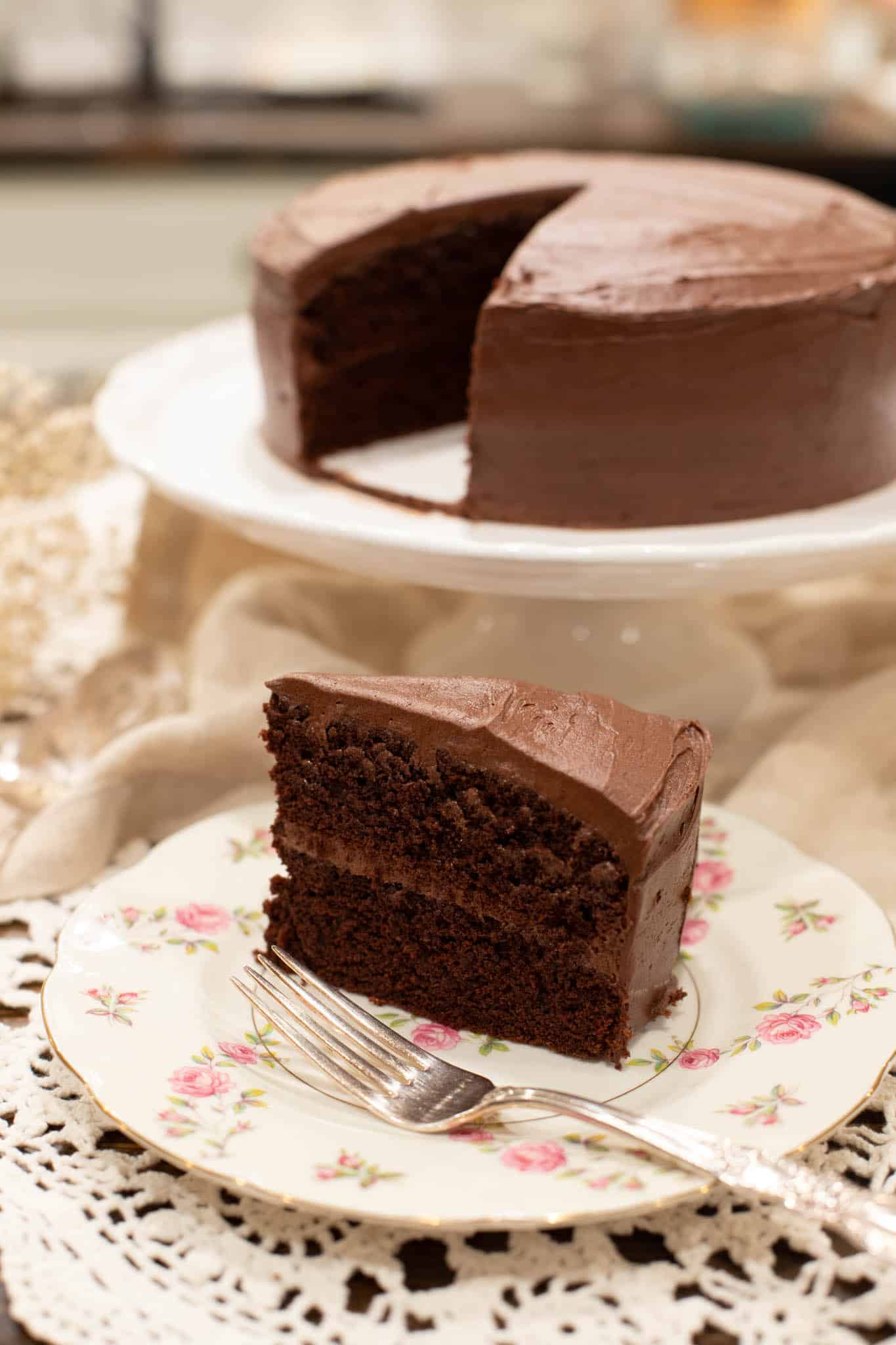
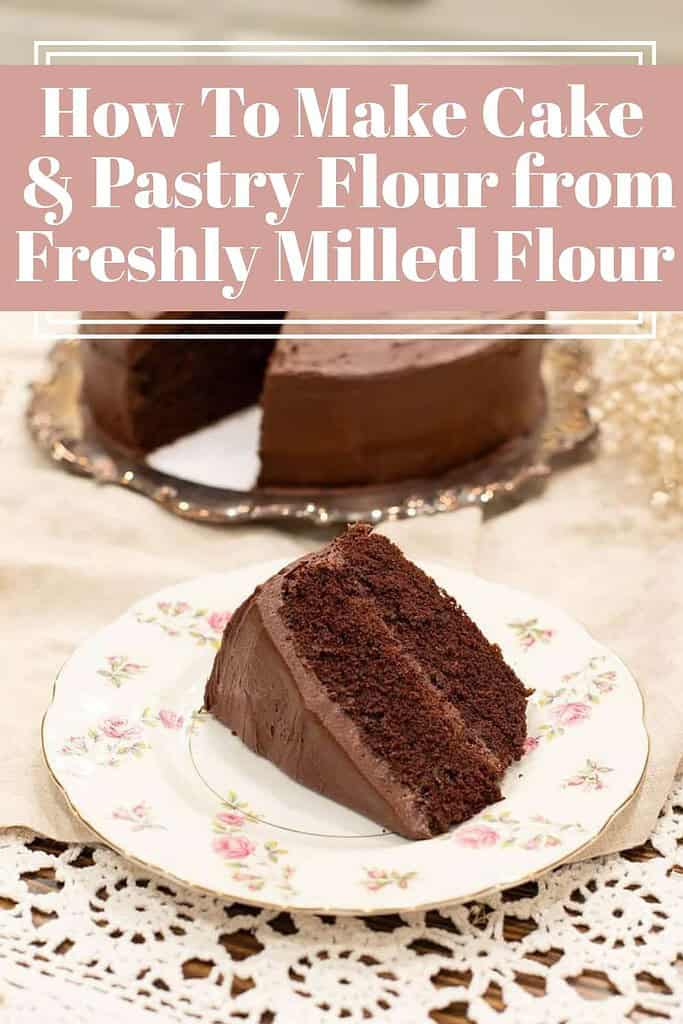
Homemade cake and pastry flour from fresh milled flour gives your bakes that fluffy, tender crumb we all look for in layer cakes, cookies, and pastries. By milling soft wheat and sifting it fine, you can create a flour that behaves like cake flour or pastry flour, light, delicate, and dependable, without relying on bleached grocery-store flour.
Whether you’re baking a birthday cake, a tray of shortcakes, or an angel food cake, this cake and pastry flour lets you enjoy bakery-style results made from freshly milled flour.
This post may contain affiliate links. Please read our disclosure policy for details.
If you’re just getting started with fresh milled flour, you might also enjoy these posts: Sifting Freshly Milled Flour | Why, When & How to Do It, so you know exactly when and why to sift, and Best Whole Grains to Mill at Home for Fresh Flour, a simple guide to choosing the right wheat berries for cakes, breads, and everything in between.
A Cottage Milling Note
I’ve been milling soft wheats since the late 1990s, and I still remember the first time I baked a birthday cake with my own flour, it came out tender, fragrant, and unlike anything from a box of store flour.
My MawMaw Nub always said the best baking starts with the simplest ingredients, and that wisdom rings true every time I reach for freshly milled wheat.
This is the same method I use in my own cottage kitchen, and it’s the one I love teaching home bakers like you. Once you try it, you’ll see just how easy and rewarding it is to make your own cake and pastry flour at home.
Why You’ll Love This Flour Blend
Ingredients
Tip: For the lightest crumb, sift your flour through a #60 sieve. If you’d like to keep a little more whole grain character, use a #40 or #50 sieve and enjoy the balance of softness with a touch of rustic charm.
Tools you’ll need
Measuring Tips
Getting the measurements right is one of the most important parts of baking with fresh milled flour. Because it’s naturally lighter and more aerated than store bought flour, it tends to take up more space in your measuring cup.
That means if you scoop it cup-for-cup without adjusting, your cakes and pastries may come out denser than you hoped.
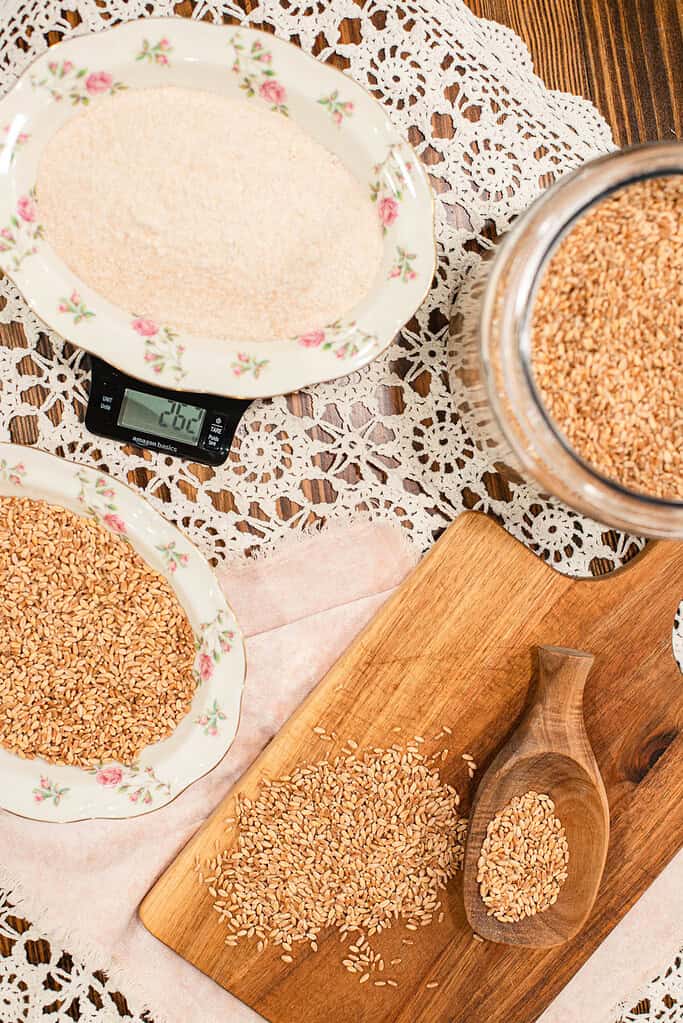
By weight (the best method) – Use a kitchen scale whenever you can. For cakes and pastries, aim for 120 g of sifted flour per cup. To get that much sifted flour, you’ll usually need to mill about 156–176 g of wheat berries, since some of the bran and heavier particles get sifted out.
By volume (if you don’t have a scale) – Use 1¼ cups of freshly milled flour in place of 1 cup of store-bought flour. This little adjustment helps balance out the fluffiness of the fresh flour so your recipe stays consistent.
Why weighing is better – When you weigh, you take the guesswork out. Every cup is different depending on how you scoop or sift, but grams are always steady. Especially for tender bakes like cakes, weighing ensures you’ll get that soft crumb and gentle rise every time.
Tip: Freshly milled flour comes out warm from the mill, often around 105–110°F. For cakes and pastries that rely on cold butter or lard, chill your flour in the fridge or freezer before baking. It helps your dough stay cool and gives you flakier, more tender results with pastries.
Instructions
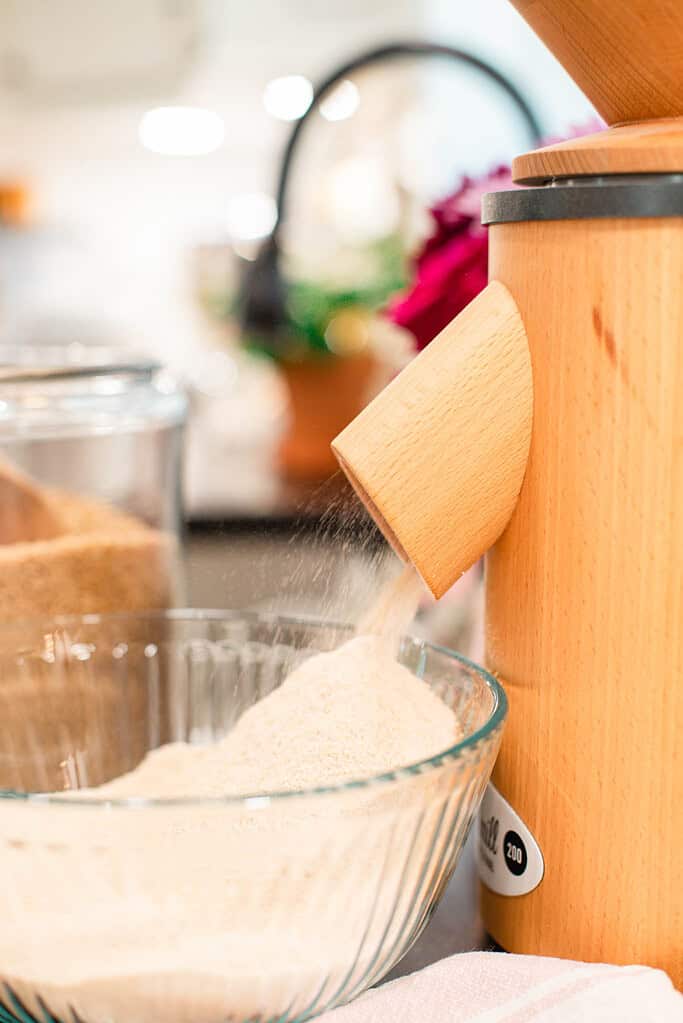
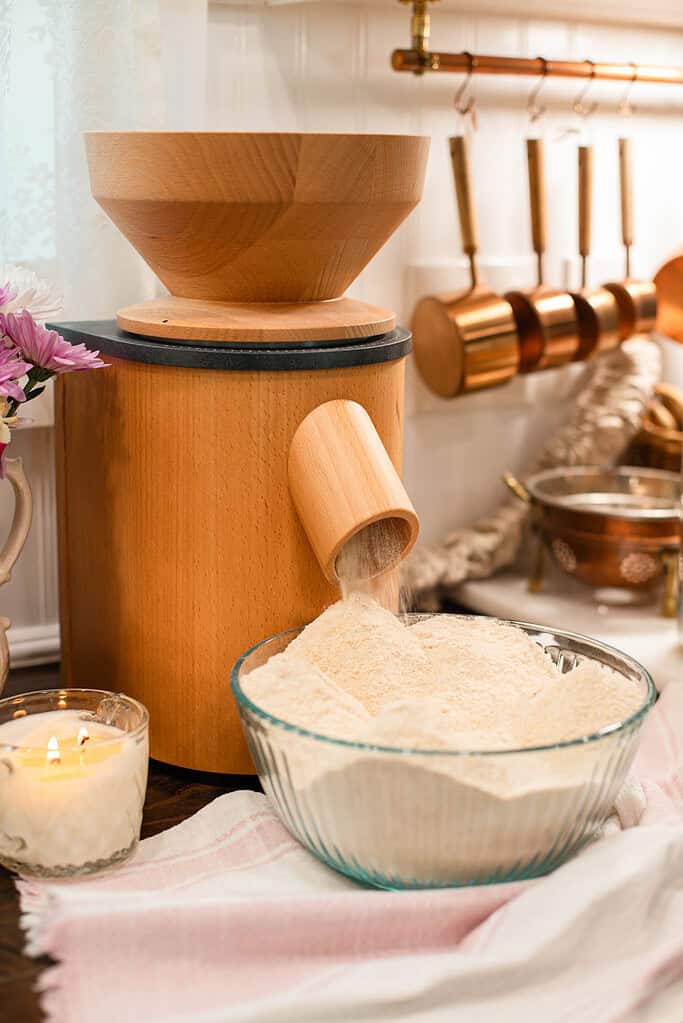
- Mill your grain – Start with your choice of soft wheat berries (soft white for a lighter flavor, soft red for a nutty depth). Grind them on the finest setting your mill allows. Expect the flour to come out slightly warm — that’s normal. If it feels hot, let it cool on the counter for 10–15 minutes before moving on.
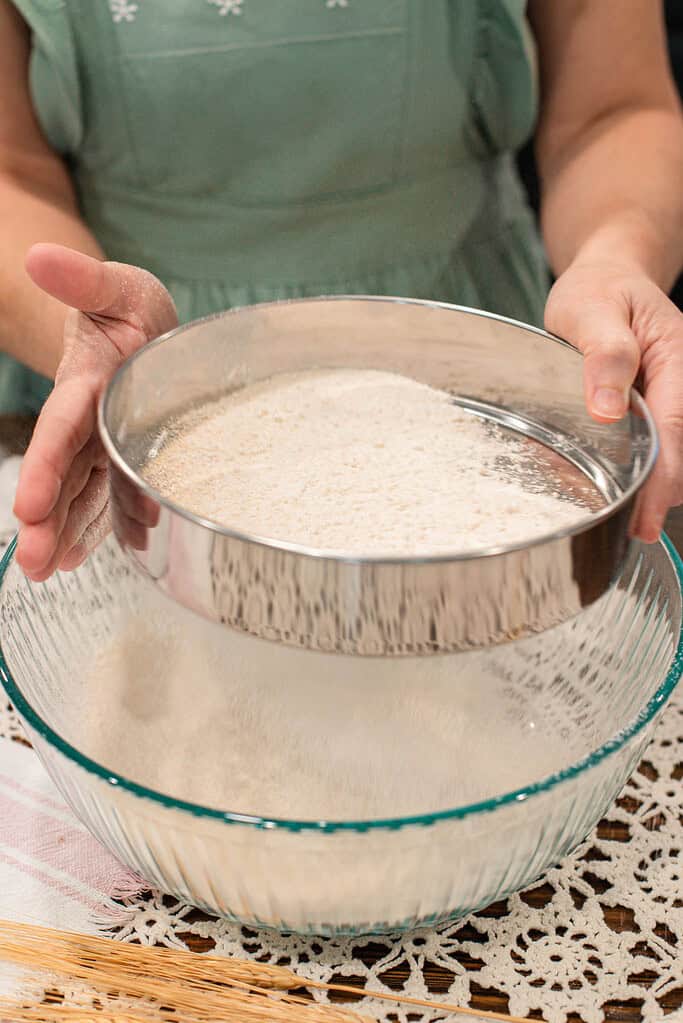
- Sift for texture – Use a #60 sieve for the softest, silkiest flour, ideal for cakes and tender pastries. A #40 or #50 sieve will still create a lovely texture while leaving a touch of bran for more flavor and color. Work the flour gently through the sieve using your hand or a spoon or use an electric sifter, and set aside the bran for muffins, pancakes, or feeding your sourdough starter.
- Measure carefully – Fresh flour is fluffier than store-bought, so it doesn’t measure the same by volume. For accuracy, weigh your sifted flour: 120 g equals about 1 cup. To get that amount, you’ll need 170-200 g of berries before sifting, depending on how much bran you remove.
- Optional starch addition – If you want your flour to mimic commercial cake flour even more closely, remove 1–2 tablespoons of flour per cup and replace it with 1 tablespoon of cornstarch or tapioca starch. This step reduces protein content just enough to give an extra tender crumb.
- Cool before baking – If you’re making pastry or anything with butter, place your flour in the refrigerator for at least an hour (or freezer for 30 minutes). Cold flour blends more evenly with cold fats, giving you the flaky layers that make pie crusts and biscuits shine.
- Use or store – Ideally, bake with your flour the same day you mill and sift. If storing, keep it in an airtight container in the refrigerator for up to a week or in the freezer for up to three months. Always label it with the milling date so you know how fresh it is.
- First bake guidance – Don’t be surprised if your first cake or pastry comes out a little different than you’re used to with store-bought flour. Fresh flour absorbs liquid differently and can feel lighter in the bowl but denser once baked. If your cake feels a touch heavier, try sifting twice next time, or add a tablespoon or two of extra liquid. With each bake, you’ll get a feel for how your flour behaves, and soon it will feel second nature.
Tip: I kept a small notecard taped inside my milling station with these measurements when I first started milling. That way, even on busy days, I didn’t have to remember the measurements and tips they’re right there next to my mill and my measuring cups.
| Store-Bought Flour | Fresh Milled Equivalent | Notes |
| 1 cup all-purpose flour (120 g) | 1 ¼* cups fresh milled soft red or soft white wheat flour (120 g sifted) *Add 1/4 cup to every cup called for if using measurements. | Fresh flour is lighter and more airy—measure by weight when possible. Or *add 1/4 cup to every cup called for if using measurements. |
| 1 cup cake flour (115 g) | 1 ¼* cups fresh milled soft wheat flour (120 g sifted) *Add 1/4 cup to every cup called for if using measurements. | Use a #60 sieve for the silkiest crumb. You can take out 1-2 tbsp of flour and replace it with cornstarch to mimic store-bought cake flour. |
| 1 cup pastry flour (120 g) | 1 ¼* cups fresh milled soft red or soft white wheat flour (120 g sifted) *add 1/4 cup to every cup called for if using measurements. | Perfect for cookies, biscuits, and tender crusts. |
| 1 cup whole wheat flour (120 g) | 1 ¼* cups sifted fresh milled soft white wheat flour (115 g) *Add 1/4 cup to every cup called for if using measurements. | For rustic loaves and hearty baking. |
| 5 lbs wheat berries | ~5 lbs flour (before sifting) | Sifting removes 20–40% bran—mill extra to reach final weight. |
Tip: When converting recipes, plan on adding 5–10% more liquid to doughs made with fresh flour, since it absorbs more water than store-bought flour. To learn more about this and more with baking with freshly milled flour read this post: Baking with Fresh Milled Flour | Tips & Recipes
Storing Your Fresh Milled Cake & Pastry Flour
Use it fresh whenever possible – Milling only what you need ensures you capture the flour’s natural qualities before they begin to fade.
Cool before mixing with butter or lard – Flour comes out of the mill warm (often around 105–110°F). To avoid melting fats too quickly in pastry dough, spread sifted flour in a shallow container and chill it in the refrigerator for about 1 hour, or freeze briefly (20–30 minutes).
Short-term storage (up to 1 week) – Store flour in an airtight container in the refrigerator to help slow oxidation and maintain freshness.
Longer storage (up to 3 months) – For extended use, place flour in freezer-safe, airtight bags or containers. Always bring frozen flour to room temperature before baking to prevent condensation.
Separate the bran if sifted – If you’ve sifted out bran, keep it in a separate container. The bran can be used in muffins, pancakes, or porridges, while keeping the sifted flour light and better suited for delicate cakes.
Label Tip – Label each jar or bag with the milling date so you always know how fresh your flour is. It keeps your baking consistent and helps prevent waste.
Nutrition note – According to Sue Becker of Bread Beckers, freshly milled flour begins to lose nutrients within 24–72 hours due to natural oxidation.¹ This is why many bakers prefer to use flour as close to milling as possible for both flavor and nourishment. For Sue Beckers YouTube Channel to watch more about her information on wheat berries and more, you can find her channel HERE.
¹ Reference: Sue Becker, Bread Beckers, “Why Mill Your Own Flour?” – educational resource on flour freshness.
Fresh Milled Flour Recipes
Don’t forget to pin this for later!
FAQ
Step into The Cottage Mill: Freshly Milled Flour Guides, Recipes, and More Await!
Cottage Living Newsletter
Join the Cottage Living Community
Seasonal recipes, cozy cottage projects, simple from-scratch living, and gentle inspiration for homemakers who crave a slower rhythm rooted in home and heart.
More Freshly Milled Flour Guides
Homemade Cake & Pastry Flour from Fresh Milled Flour
Supplies
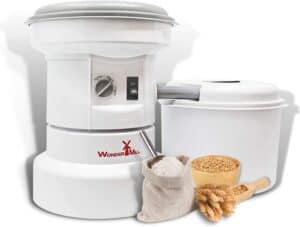
- Electric or stone grain mill (WonderMill, Mockmill)
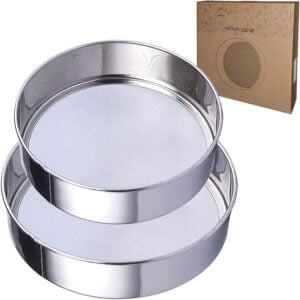
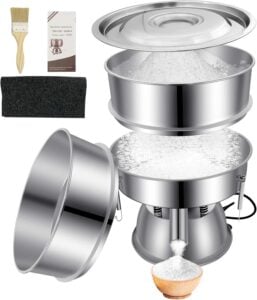
- No. 60 sieves (manual or electric)
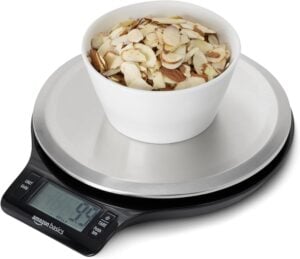
- Kitchen scale
- Mixing bowls
- Measuring Cups and Spoons
- Airtight container or twist-top lid jar (for bran or extra flour)
Elements
- 170-200g. Soft White or Soft Red Wheat Berries yeilds after sifting 120g.
- 1-2 tbsp cornstarch or tapioca starch optional, mimics store bought cake flour
Instructions
- Mill the grain – Weigh out 170–200 g of soft wheat berries (soft white for neutral flavor, soft red for rustic flavor). Mill on the finest setting your machine allows.
- Cool the flour – Fresh flour comes out slightly warm (105–110°F). Let it cool 10–15 minutes before using. For pastries, chill flour in the fridge or freezer before mixing with butter.
- Sift for texture – Use a #60 sieve for silky, light flour (ideal for cakes). A #40–50 sieve works too but leaves some bran for more rustic baking. Expect to lose 30–50% volume to bran when sifting.
- Weigh the sifted flour – Measure 120 g sifted flour for each cup of store-bought cake or pastry flour your recipe calls for. Save sifted-out bran for muffins, pancakes, or sourdough.
- Optional starch method – For extra tenderness, remove 1–2 tbsp of sifted flour per cup and replace with cornstarch or tapioca starch.
- Hot soak option – To soften bran (if using unsifted flour), heat recipe liquids to 180°F, pour over flour, and rest 30–60 minutes before continuing with your recipe. This reduces grit and improves tenderness.
- Use or store – Bake with your flour the same day for best flavor. If storing, refrigerate in an airtight container for up to 1 week or freeze up to 3 months. Always label with milling date.
Notes
- Why soft wheat matters – Soft wheats contain 8–10% protein, which keeps gluten development low. This is what gives cake and pastry flour its tender, fluffy crumb.
- Sifting tip – A #60 sieve creates the closest mimic to store-bought cake flour. Sifting removes up to 50% bran, so always mill extra berries to reach your target weight.
- Volume vs weight – Fresh flour is more aerated than store-bought. Always weigh (120 g = 1 cup). If you must measure by volume, use 1¼ cups fresh milled flour for every 1 cup of store-bought.
- Hot soak method – Especially useful for whole grain cakes. Mixing flour with 180°F liquid and resting up to 1 hour helps soften bran, resulting in a smoother crumb.
- Storage – Fresh flour is most nutritious when used within 24–72 hours of milling. For tender pastry, cold flour works best. Refrigerate or freeze if you need to store longer.
- Personal note – In over 25 years of milling, I’ve found that soft white wheat alone gives me the best results for cakes, while soft red wheat is lovely for rustic pastries. I rarely add cornstarch, since freshly milled flour already has that natural tenderness.
Thank you for spending time with me here at The Modern Day Cottage. My hope is that each guide helps you mill and bake with more confidence. May your jars be ever full, and your loaves rise high.
With love & gratitude,
Emily
Did you liked this Fresh Milled Flour guide?
If you learned something valuable, I’d be so grateful if you came back to leave a 5 “⭐️” rating. Use the buttons below to share, comment, or connect—I truly enjoy seeing and celebrating your beautiful bakes.

Emily Rider
Cottage lifestyle blogger and home miller with 25+ years of sourdough and fresh-milled flour experience.
Sharing cozy homemade recipes that help you bake with confidence, celebrate each season, and savor the beauty of everyday cottage living.