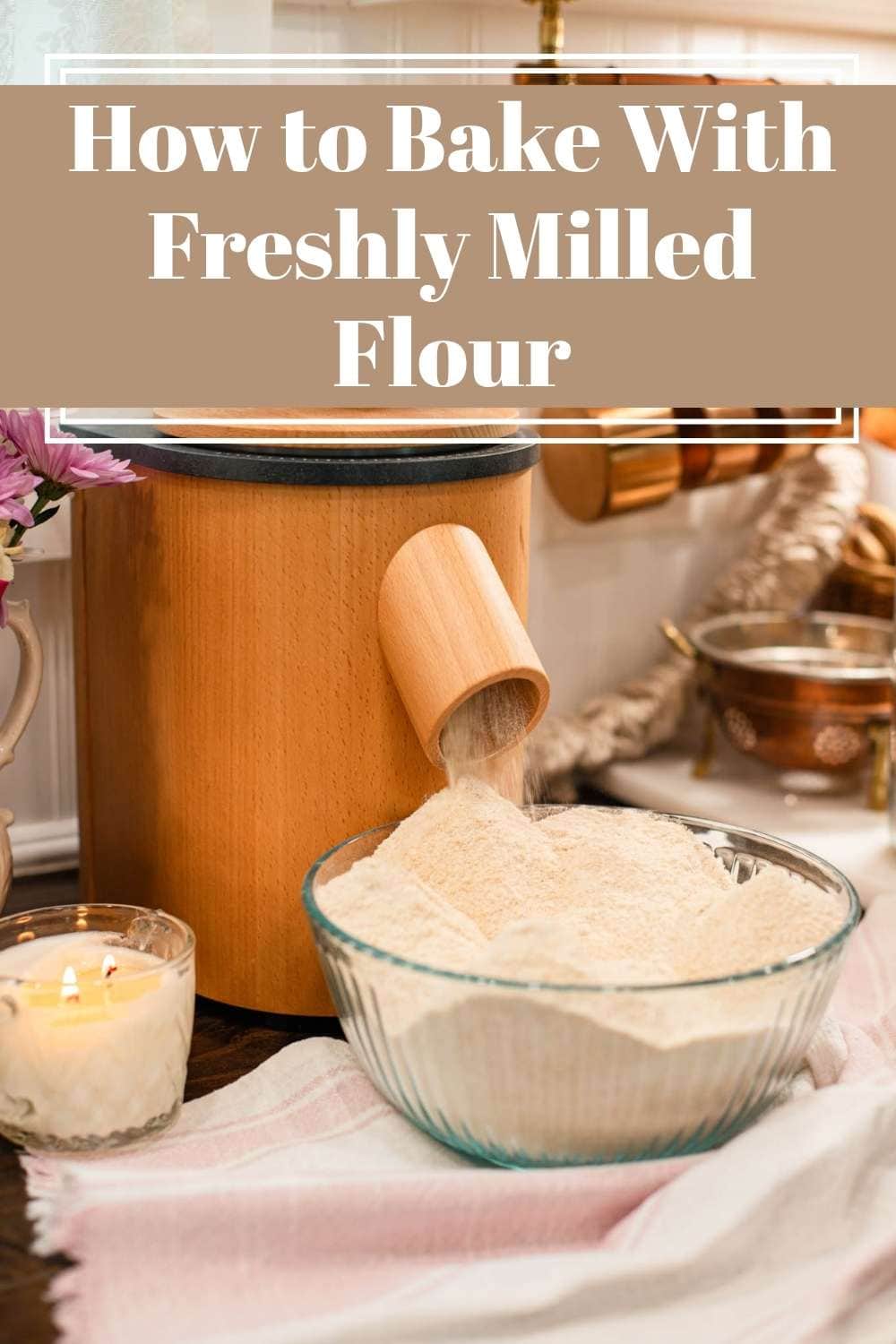
Side view of woman using a wooden grain mill to grind wheat berries into flour, standing in a bright kitchen with a bowl of flour on the counter.

The Cottage Mill

Welcome to The Cottage Mill — your fresh-milled flour resource at The Modern Day Cottage.

Whether you’re just beginning or refining an established baking routine with fresh flour, you’re in the right place.

Everything shared here is shaped by real, everyday kitchen experiences that have been passed down through generations.

Below, you’ll find fresh flour guides, tools, grain sources, recipes, troubleshooting help, and FAQs.

If you’re new here, the Beginner’s Guide is the best place to start.

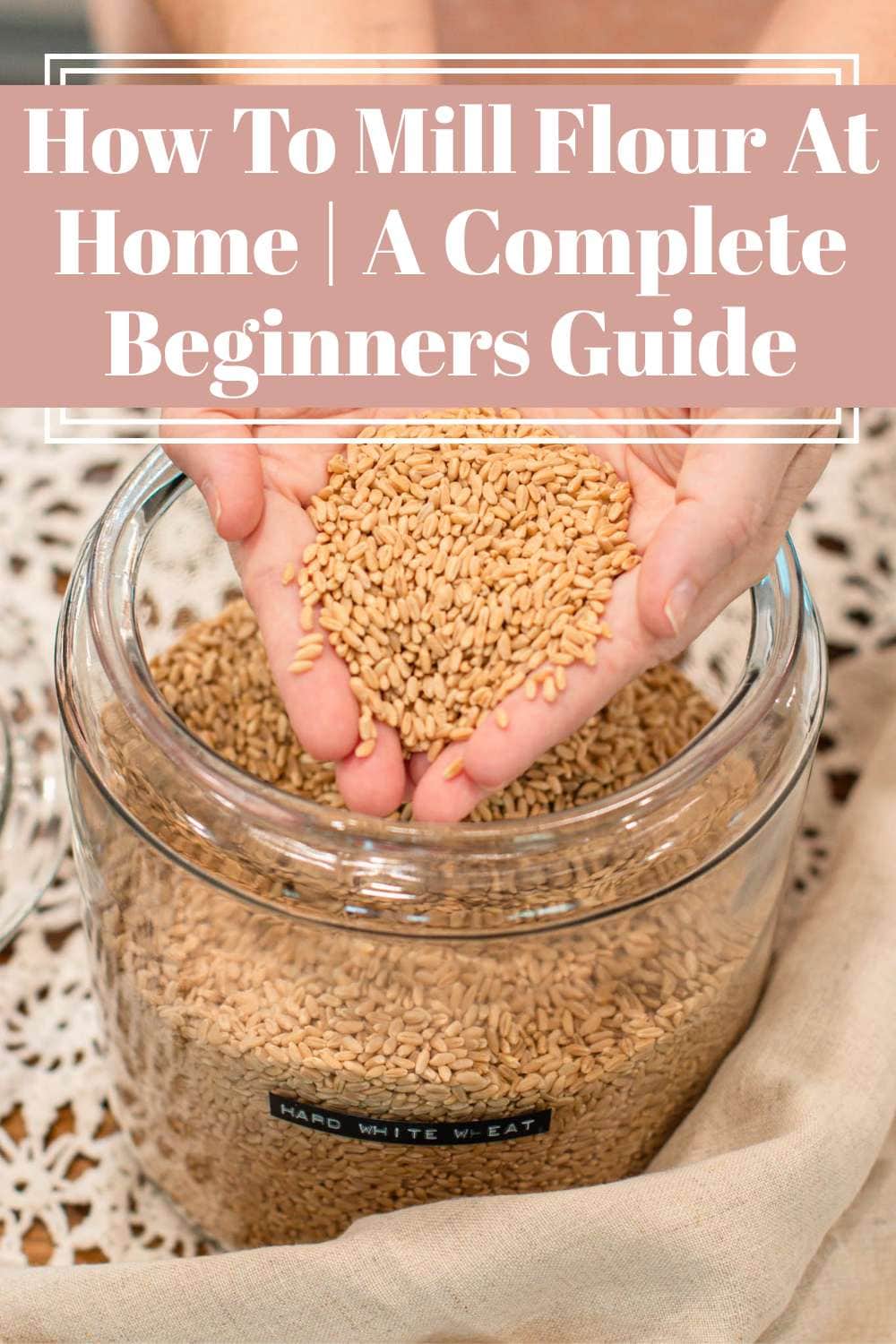
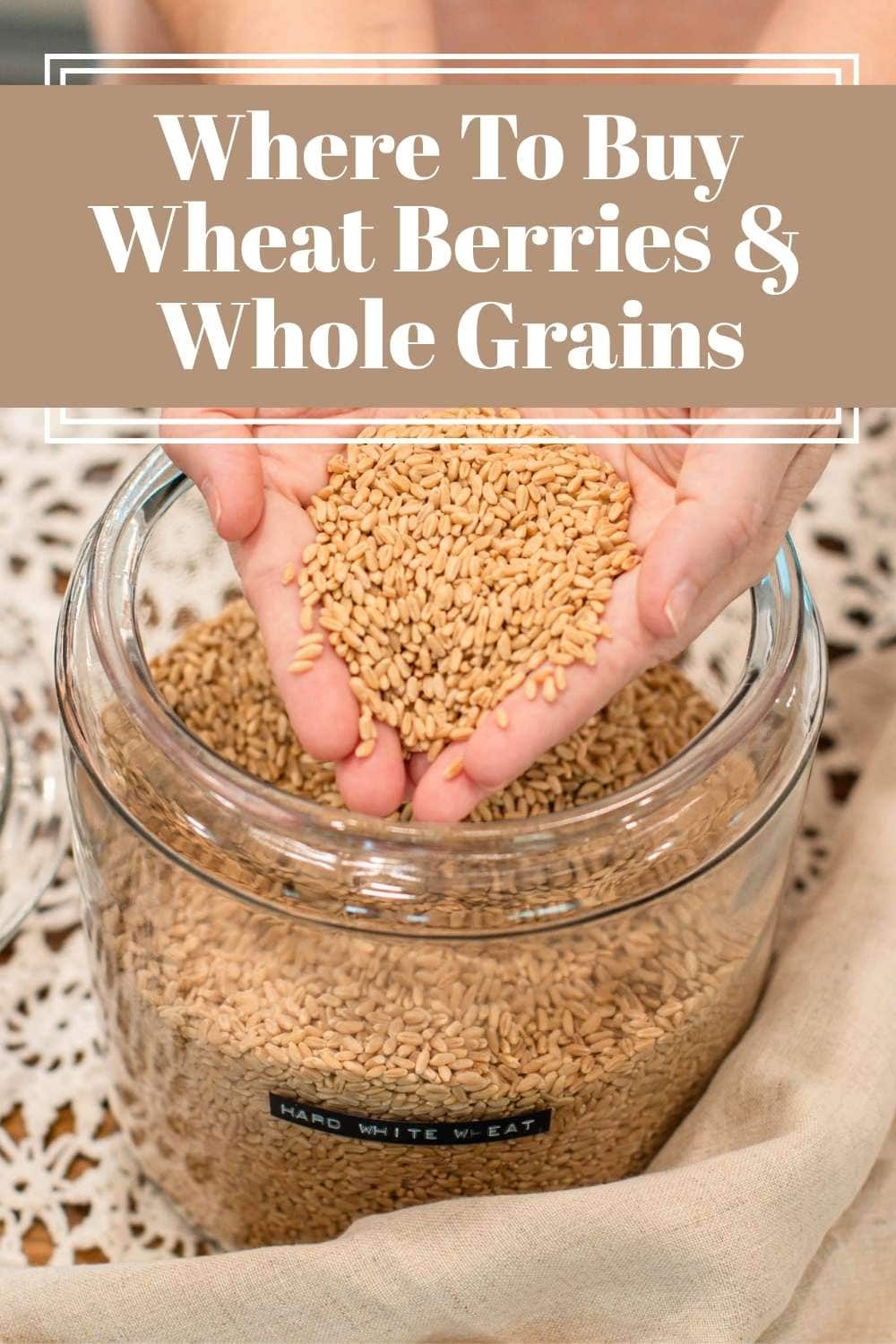
Hands holding golden wheat berries above a glass jar labeled hard white wheat.

Start Here: The Beginner’s Guide to Freshly Milled Flour

Your Grain to Table Journey Starts Here

If you’re new to milling, this is the perfect place to begin. I’ve gathered everything you need to from choosing your grains to finding the right mill, mixer, and even a beginner-friendly whole wheat bread recipe. Learn how to mill and bake your first loaf with confidence.

This was one of the most helpful and informative sites I’ve found on using freshly milled flour in baking. Thank you Emily

~ Tammy (Pinterest)

Guides for Your Milling Journey

Think of these guides as stepping stones, carrying you from grain to table one at a time.

Join Our Cozy Cottage Living Community Today!
Thank you for joining our cozy community. A welcome letter is on its way to your inbox.

This post may contain affiliate links. Please read our disclosure policy.

Practical Tools I Began With

Every miller’s journey begins somewhere.

These are the tools I first started with, and many of them I still keep in my kitchen today.

The WonderMill, KitchenAid, and manual sifters are reliable companions that can help you learn the rhythm of milling without overcomplicating the process.
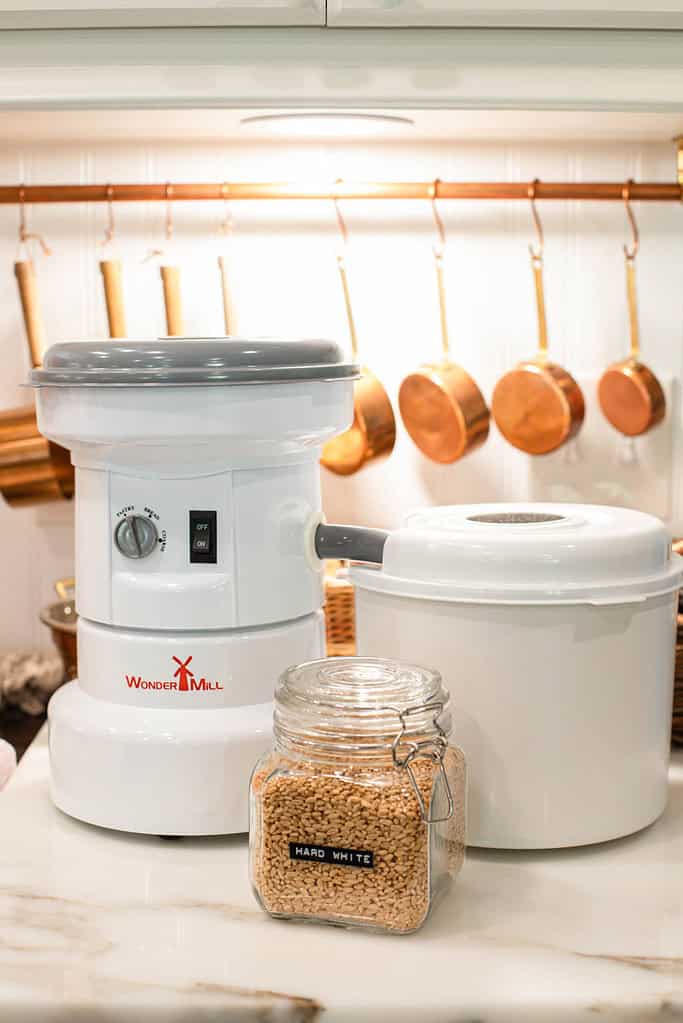
The WonderMill

Pink stand mixer with stainless bowl ready for mixing dough.

KitchenAid

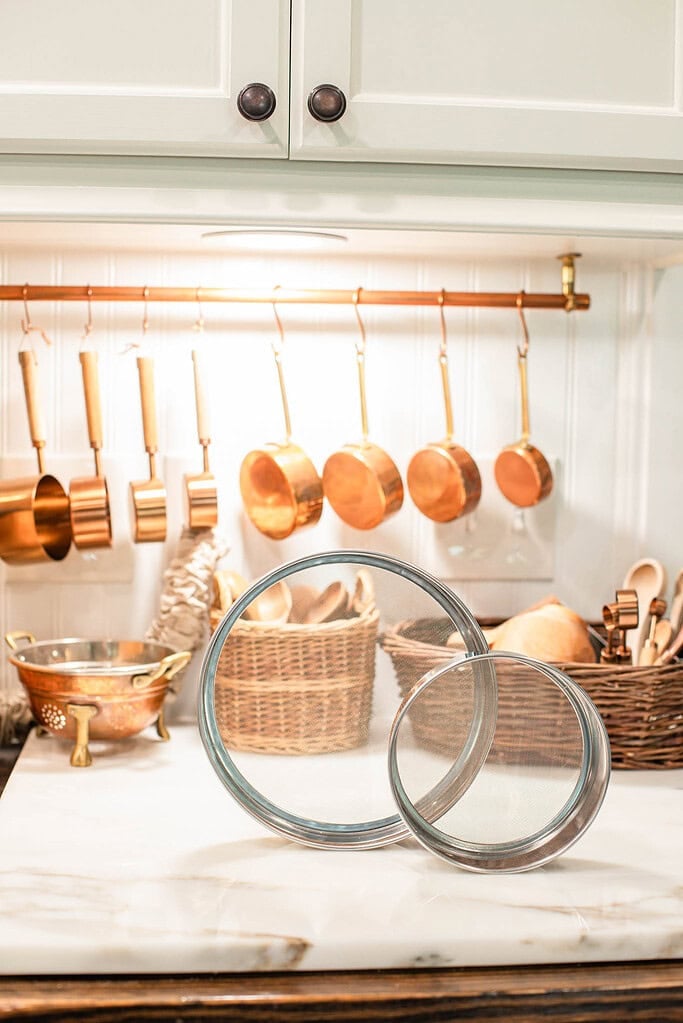
two manual sifters sitting on a marble countertop

Manual Sieves #40-#60

Stone Mill & My Everyday Milling Tools


When I finally invested in a stone mill, everything about my milling rhythm changed.

Quiet, steady, and built for daily use, a stone mill allows you to mill on demand—flour to proridge and everything in between that is fresh, alive, and ready for whatever you’re baking.

A wooden flour mill with a wide wooden hopper on top.

Mockmill Pro 200

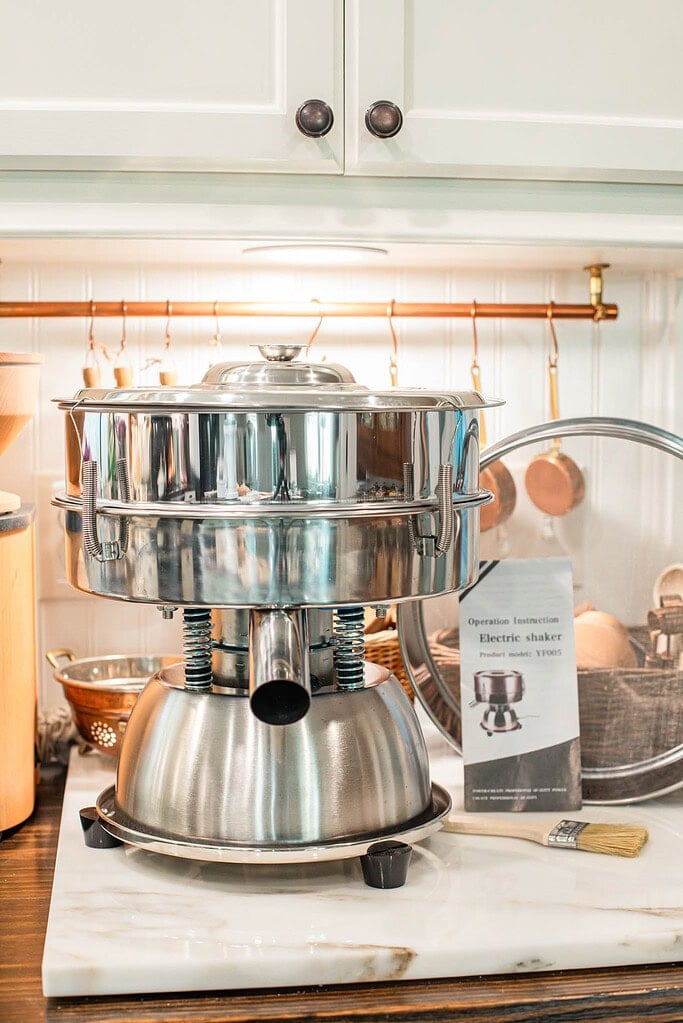
Stainless flour sifters lined up for home grain grinding.

Electric Sifter

White dough mixer for kneading bread with freshly milled flour.

Ankarsrum Mixer

Black bread machine on kitchen counter for home baking.

Bread Machine

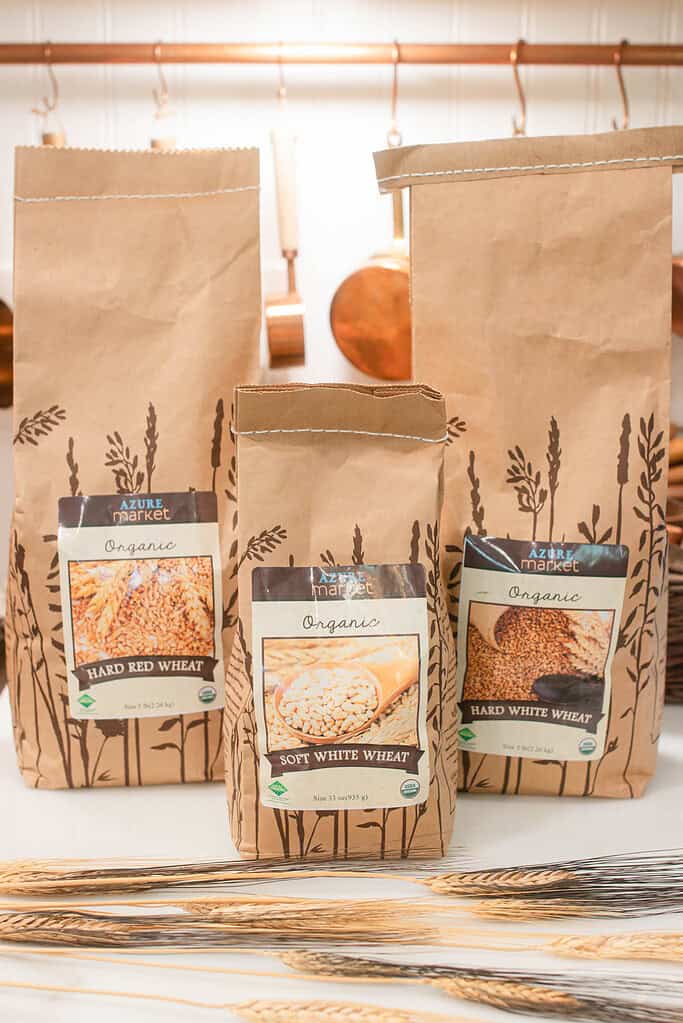
Wheat & Whole Grain Sources

Good flour begins with good grain.

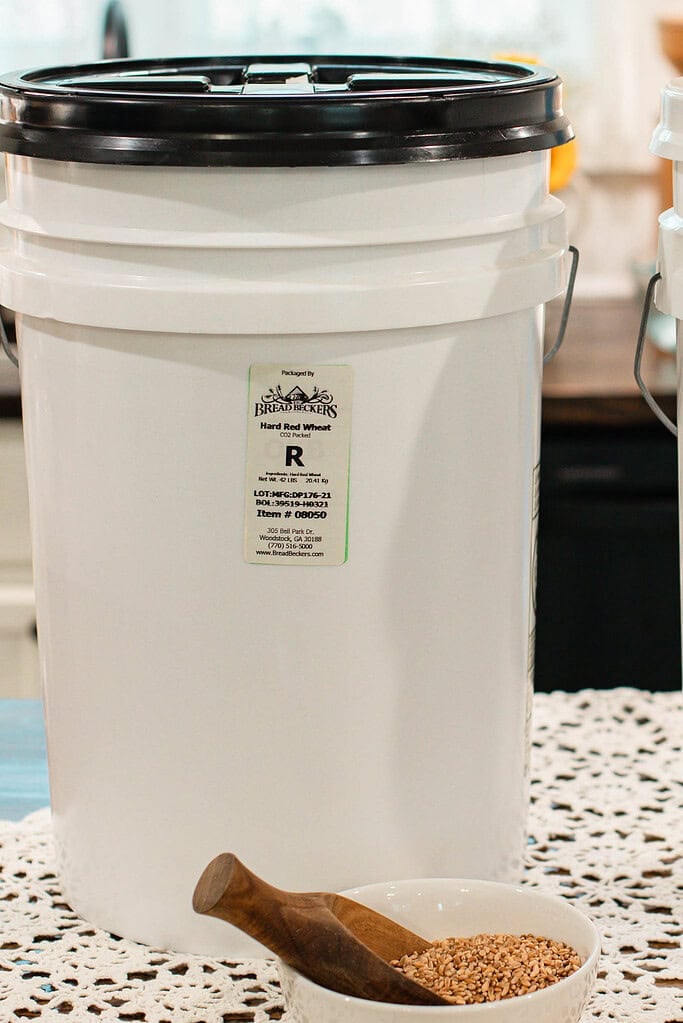
Choosing wheat berries and whole grains from trusted sources ensures your flour is full of flavor, nutrition, and life.

Over the years, I’ve come to rely on a handful of growers and suppliers whose grains I trust in my own kitchen.

These are the wheats, other whole grains that I return to season after season.
Nutrition & Fresh Milled Flour

Looking for the nutrition science behind freshly milled flour?

For in-depth education on whole grain nutrition, milling, and health, I recommend the work of Sue Becker of Bread Beckers.

Sue holds a degree in food science from the University of Georgia and has spent decades teaching families about the health benefits of fresh, unprocessed grain.

Find her on Simple Farmhouse Life Podcast Episode 267: Farmhouse on Boones podcast interview with Sue Becker.

Sue’s Healthy Minutes on YouTube.

Have more questions? You’re not alone. Here are some FAQ’s to help you along.

FAQ’s

Many people start by checking local farms, co-ops, or natural food stores. Trusted online suppliers are also a reliable option. We’ve gathered a list of our favorite sources in: Best Places to Buy Wheat Berries & Whole Grains .

Yes. Fresh flour has a fuller, more complex flavor because it retains the germ and bran, which contribute natural oils and depth. Depending on the grain, the taste can be nutty, earthy, or even slightly sweet. Many bakers notice that breads and pastries made with fresh flour feel more satisfying and flavorful than those made with refined flour.

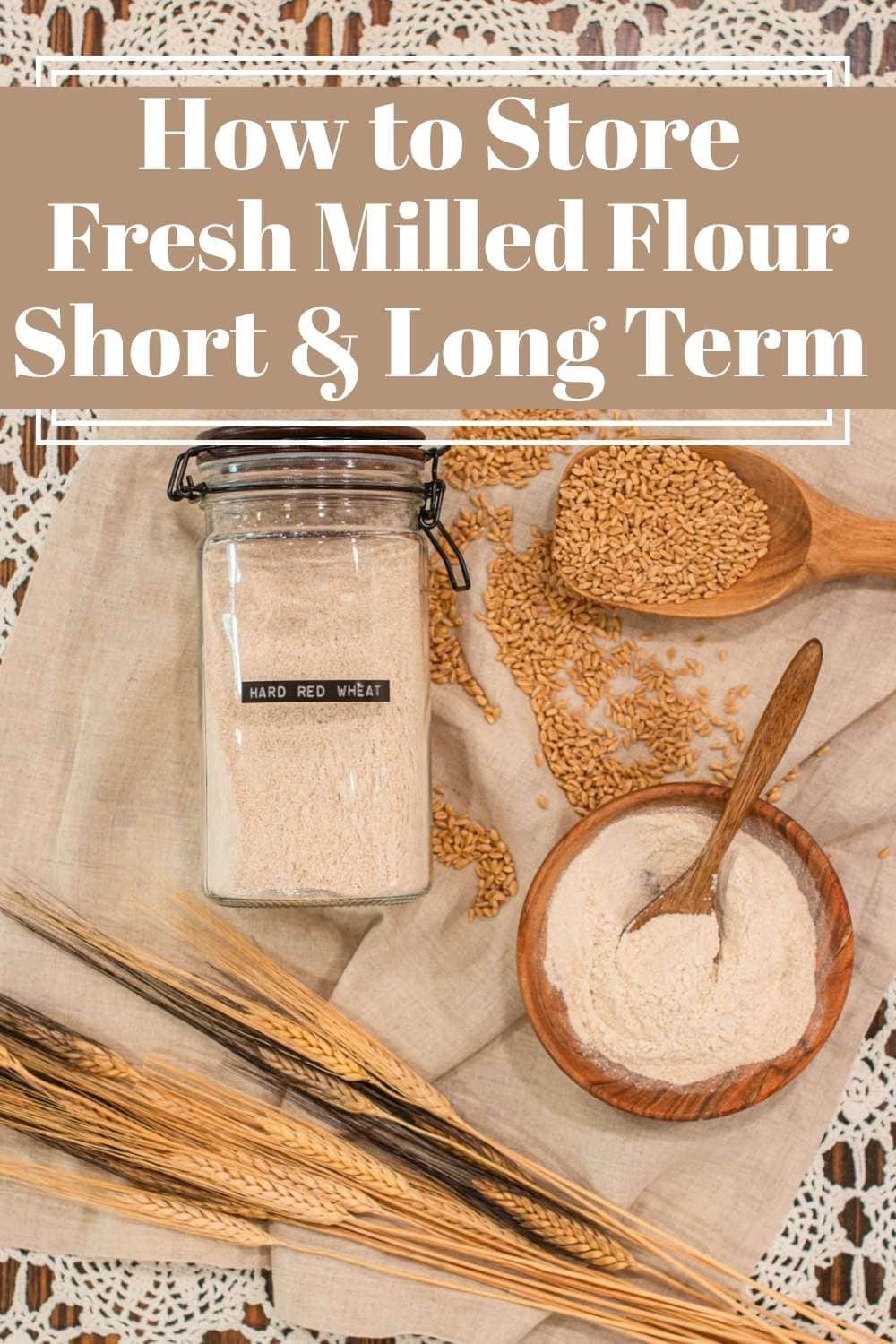
Store wheat berries and whole grains in airtight containers, kept in a cool, dry, and dark place to preserve freshness. For everyday use, jars or buckets in the pantry work well, while long-term storage calls for Mylar bags or sealed food-grade buckets with oxygen absorbers. You can read more details on: How To Store Wheat Berries for Long & Short Term.

Yes, though it behaves a little differently than all-purpose flour. Freshly milled flour tends to be more absorbent, which can change the texture of doughs and batters. Small adjustments make a big difference, and we’ve shared some simple ways to adapt your favorite recipes in this guide: How to Bake with Freshly Milled Flour | Tips & Recipes.

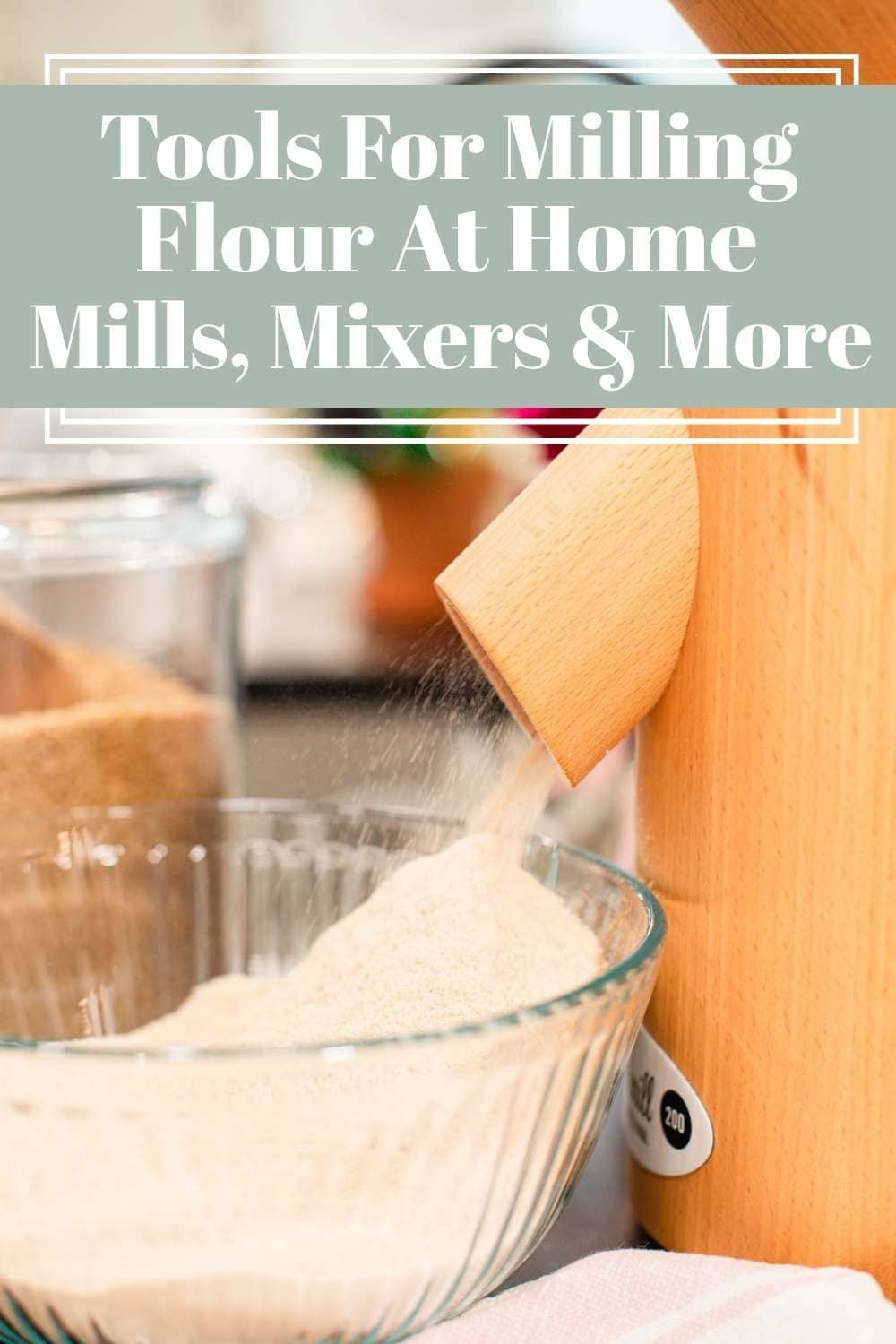
Technically, you could try other methods, but for consistent results, a grain mill is the easiest way to go. It allows you to mill just the amount you need, whenever you need it. We’ve outlined the most useful tools to keep on hand in: Tools for Milling Flour at Home | Mills, Mixer, & More.

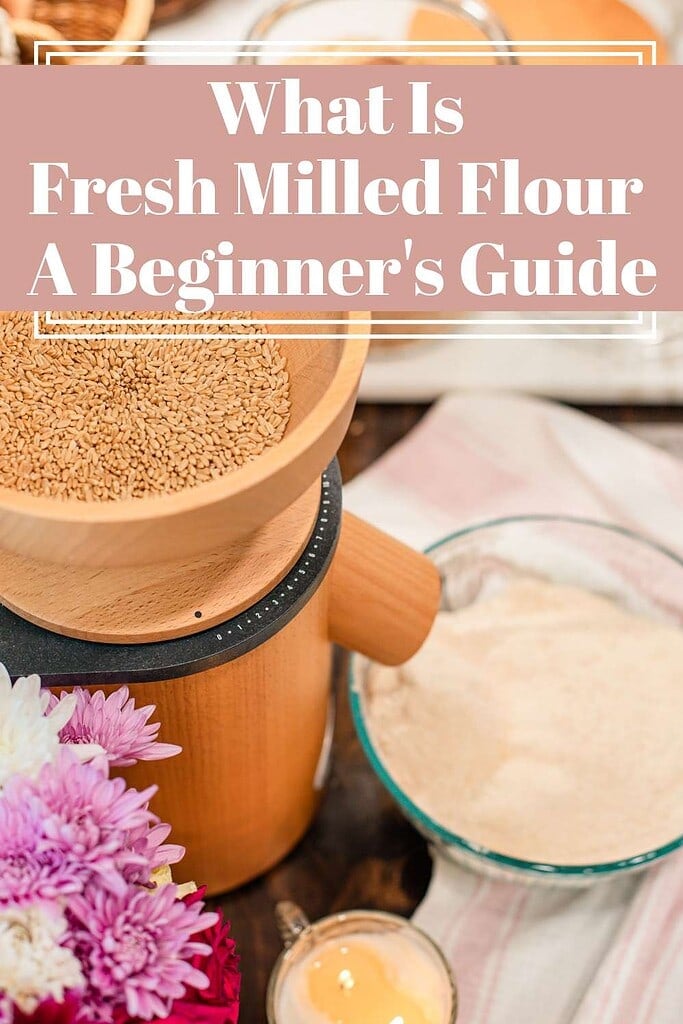
Fresh milled flour is flour ground directly from whole grains right before you bake. Because it keeps the bran, germ, and natural oils, it’s richer in both nutrition and flavor than flour that’s been sitting on a store shelf. If you’re curious about the process and how to get started, you might enjoy our guide: How to Mill Flour at Home | A Beginner’s Guide.

Almost anything—bread, muffins, cookies, tortillas, pizza dough, and even cakes. Each grain you choose will bring its own unique texture and flavor. We’ve gathered some inspiration in: How to Bake with Freshly Milled Flour | Tips & Recipes.

Because it contains natural oils, fresh flour is best used within a day or two for the fullest flavor and nutrition. If you’d like to store it longer, airtight containers in the refrigerator or freezer work well. For more guidance on storing your grains properly, read this guide: How To Store Wheat Berries for Long & Short Term.

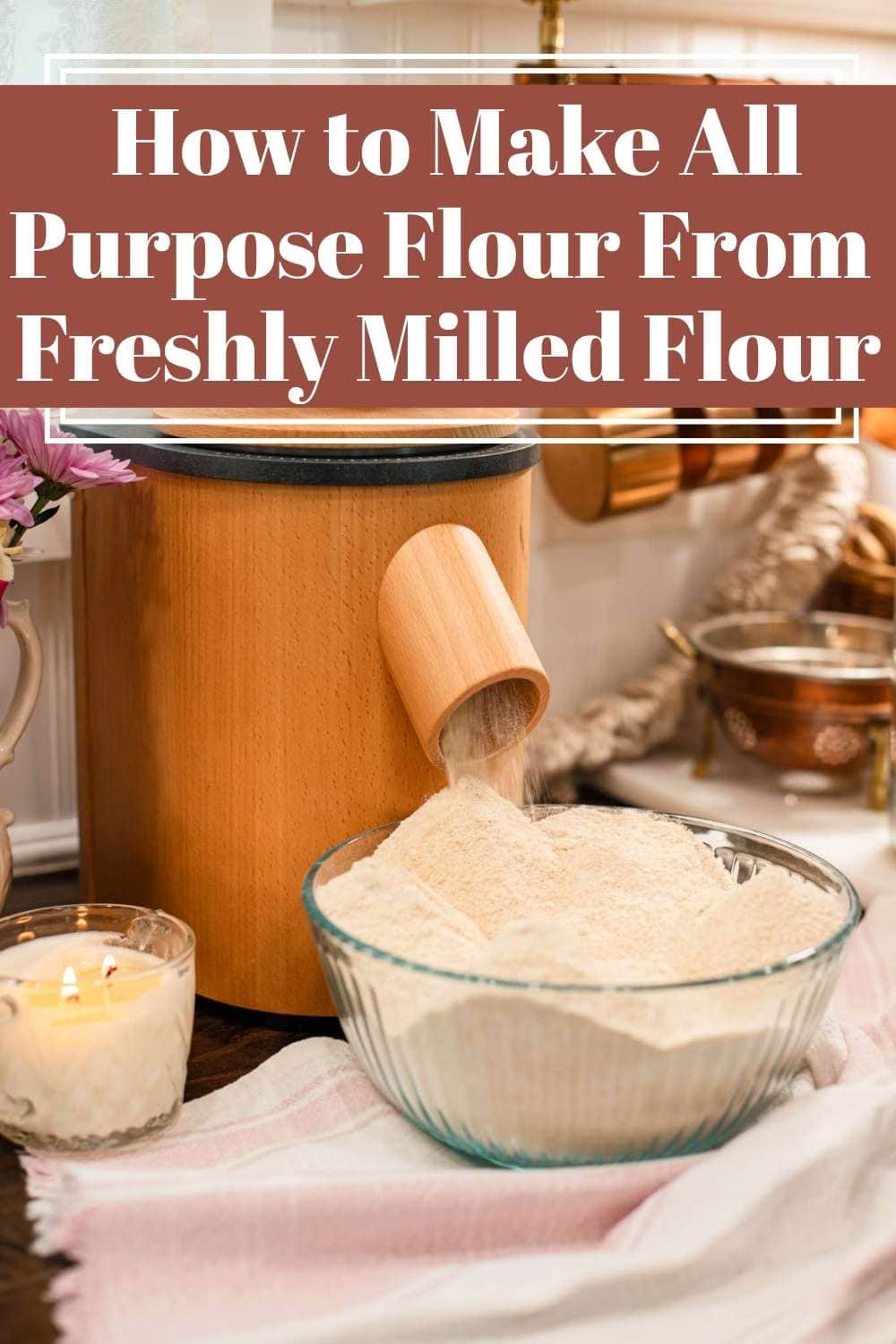
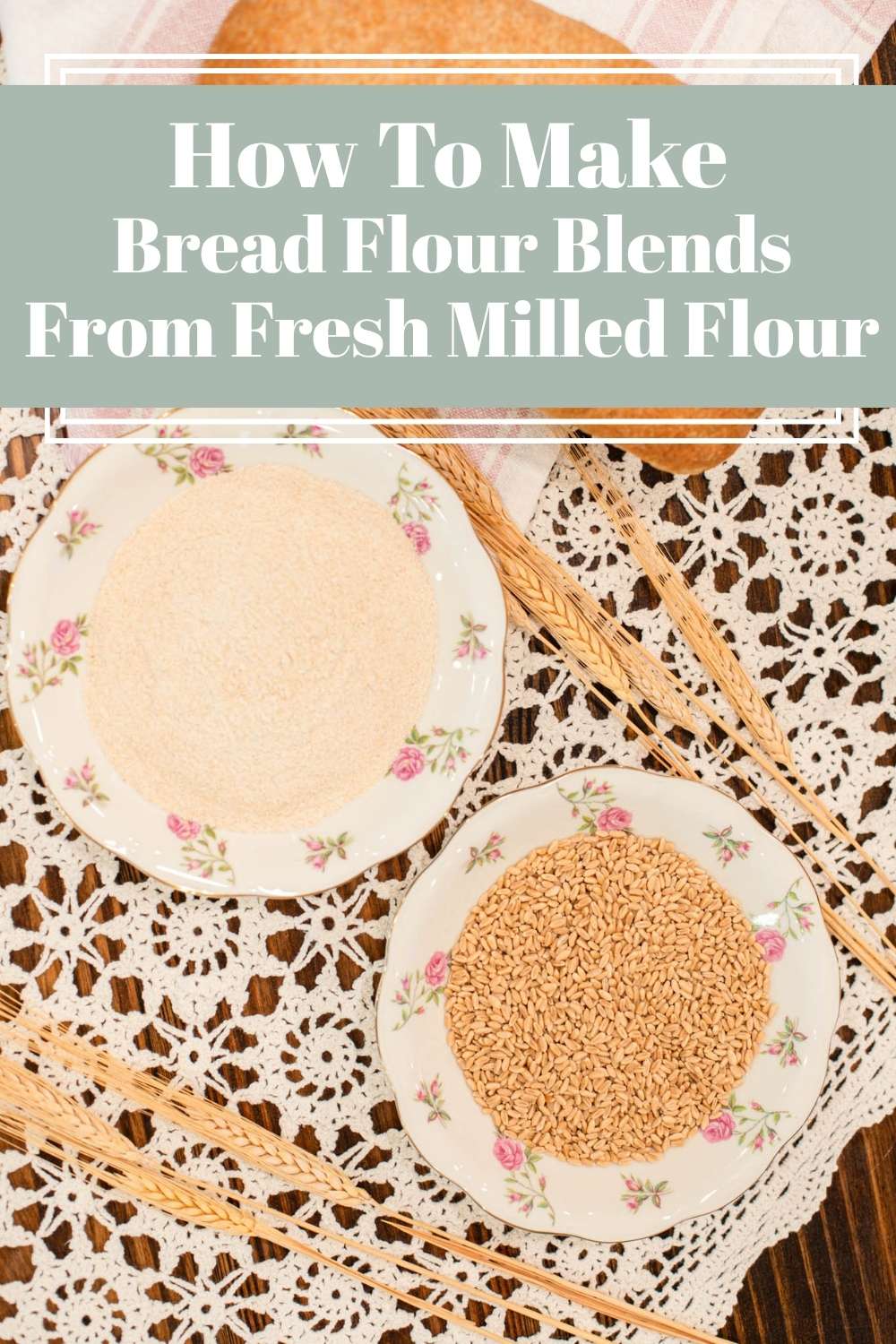
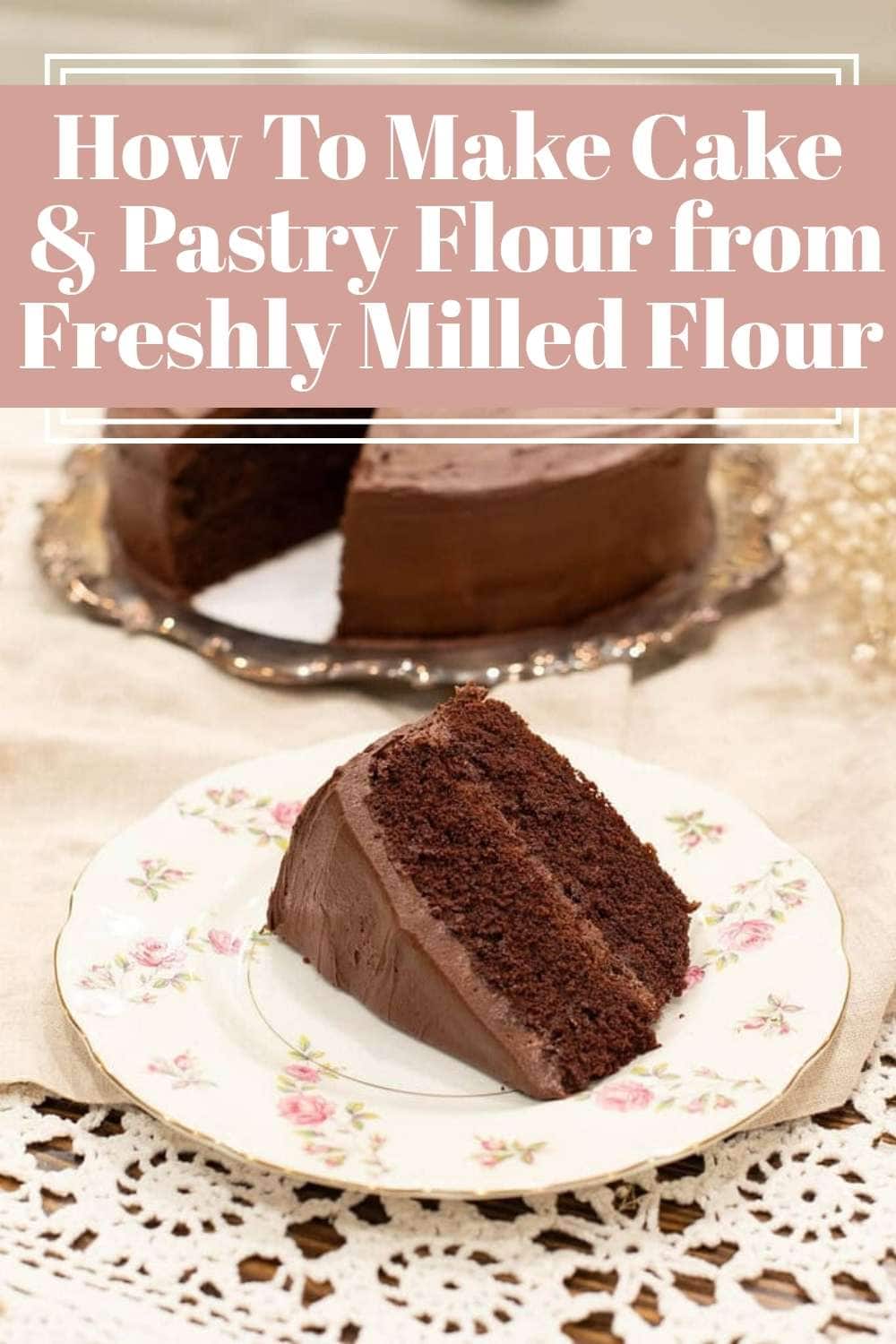
Freshly milled flour doesn’t just mean bread flour. With the right grains, you can create lighter cake flour, versatile all-purpose flour, or hearty bread flour blends. We share exactly how in:
How To Make All-Purpose Flour from Freshly Milled Flour
How To Make Cake & Pastry Flour from Freshly Milled Flour
How to Make Bread Flour from Freshly Milled Flour

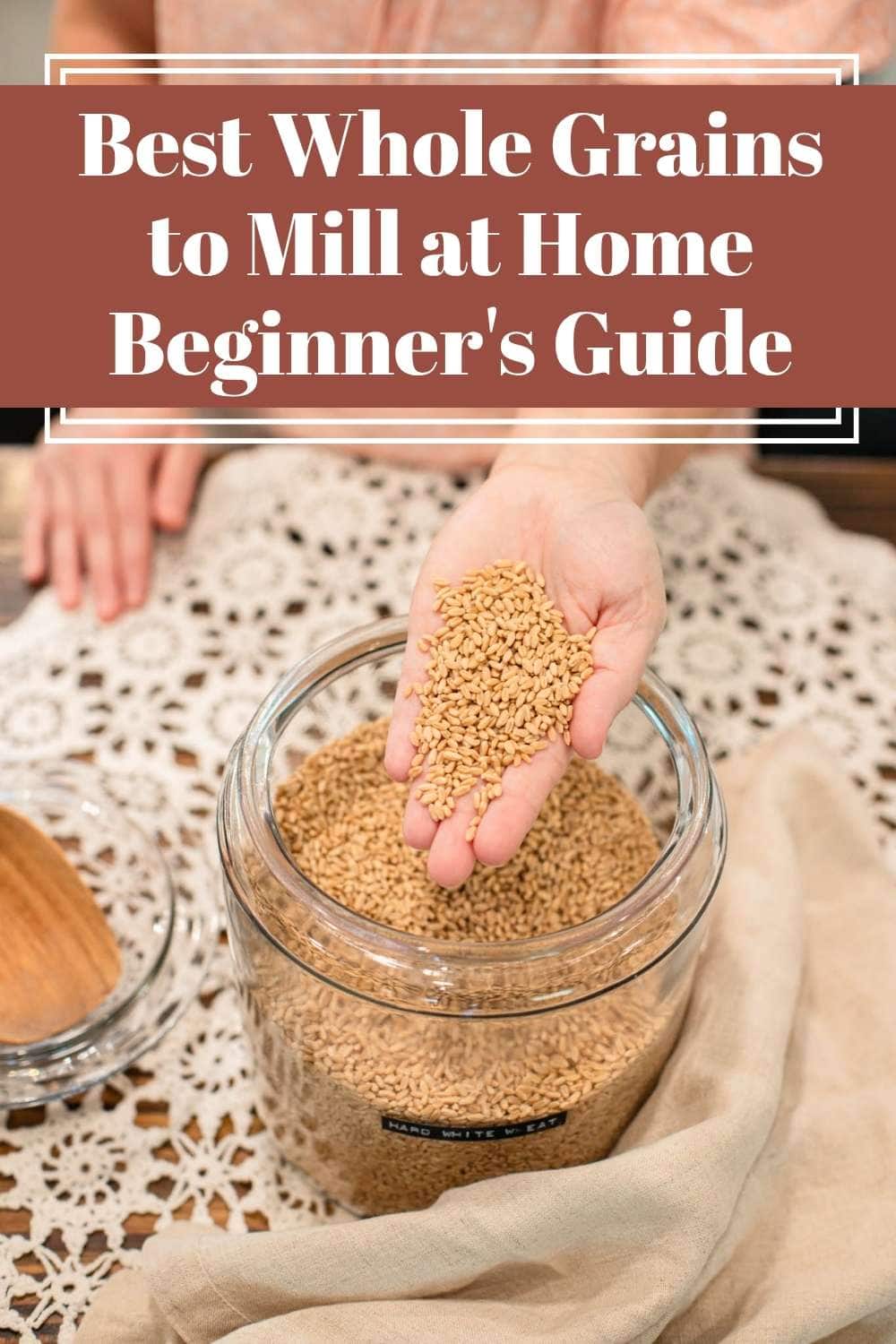
Wheat is the most common, but spelt, einkorn, rye, and other whole grains are wonderful to explore. Each one brings something special to your baking. For ideas, take a look at: Best Whole Grains to Mill for Baking Bread & More.

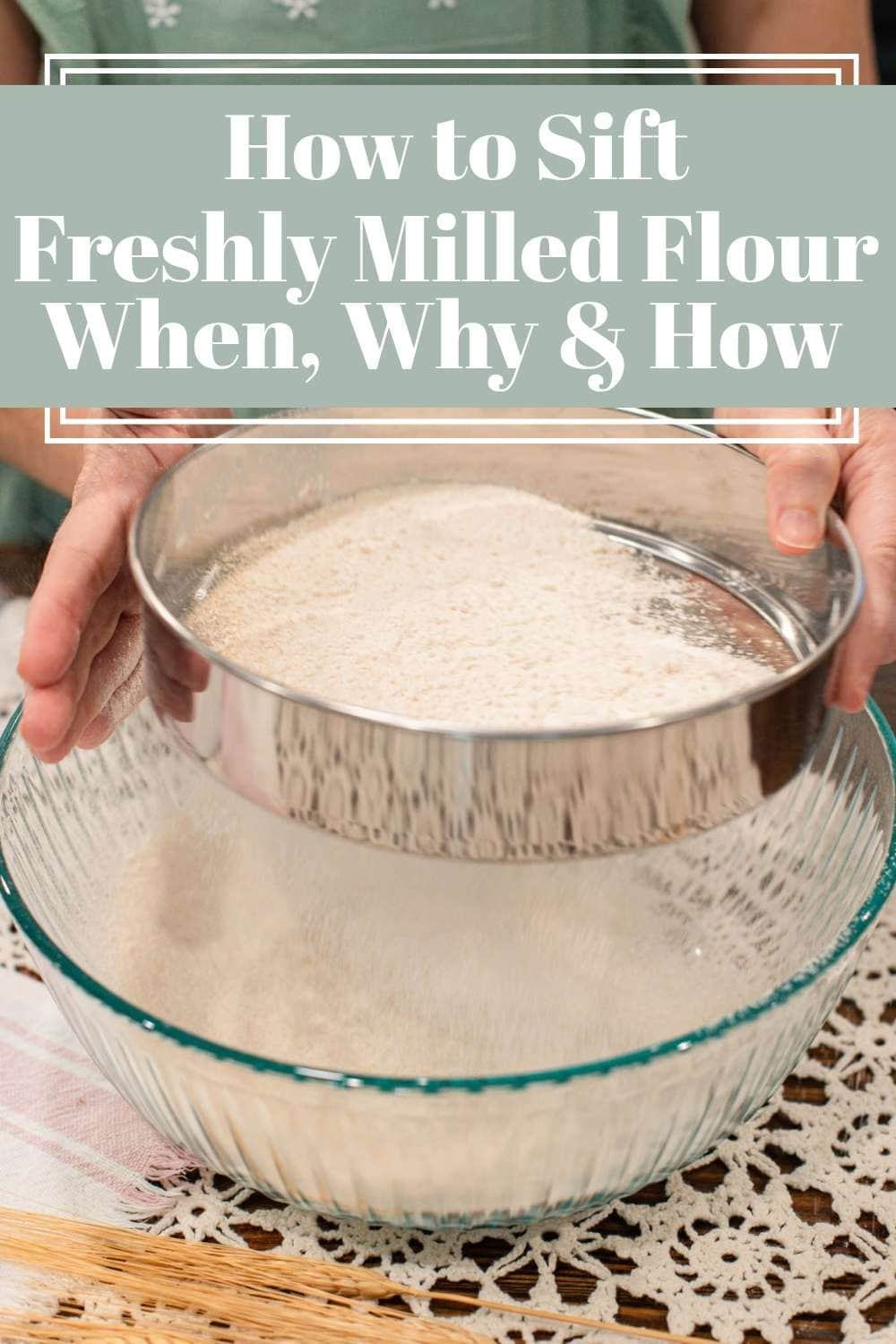
Sifting is optional, but it can lighten flour by removing some of the bran. Some bakers love the airy feel it brings to cakes and pastries, while others prefer to keep the flour whole. If you’d like to see how to do it and when it’s worth the effort, we explain more in: Sifting Freshly Milled Flour | Why, When & How to Do It.

Yes—fresh flour is excellent for sourdough. Because it’s full of natural nutrients, your starter often becomes more active, and the bread develops deeper flavor. We share more about this process in this guide: How to Bake Sourdough With Freshly Milled Flour | Easy Guide.

Here are some helpful troubleshooting answers for you as well.

Troubleshooting

Fresh flour absorbs liquid differently than refined flour, which can affect texture. Often, the dough simply needs more hydration or a slightly longer rise. With practice, you’ll learn how your flour behaves.

Whole grain flour is heavier because it contains the bran and germ. This can weigh down the dough a bit compared to white flour. Adjusting rise times and ensuring your yeast or starter is active usually helps.

Because it contains natural oils, fresh flour is more perishable than store-bought. Milling in small batches and storing flour in the refrigerator or freezer helps extend freshness.

Whole grain flour absorbs more liquid than refined flour. Adding a bit more water or fat (like butter or oil) to the recipe usually creates softer results.

Some grains have larger or tougher bran pieces that don’t pass through fine sieves. Try a slightly coarser sieve or leave more bran in for a heartier bake.

Fresh flour often creates a denser, more rustic crumb. This isn’t a mistake—it’s simply the character of whole grains. Over time, you’ll learn which recipes work best with different grains.

Sometimes, dough made with fresh milled flour won’t stretch without tearing. This can be due to coarse bran disrupting gluten strands or weaker protein structure. Reducing hydration, adding stretch-and-folds, and giving the dough more time to rest (autolyse) can help the gluten develop more effectively. Gently sifting out larger bran particles or scaling back whole-grain content slightly can improve extensibility.

This is very common. Fresh milled flour tends to absorb significantly more water than refined flour, and some batches can vary drastically. It’s best to start with a lower hydration and gradually add liquid during mixing—many bakers find that higher hydration (75–80%) plus an autolyse period (letting flour absorb water before mixing) gives better texture without becoming unmanageably sticky.

Thank you for spending time with me here at The Modern Day Cottage. My hope is that each guide helps you mill and bake with confidence. May your jars be ever full, and your loaves rise high.
With love & gratitude,
Emily

Cozy Cottage Living Newsletter


Join the Cozy Cottage Living Community

Close-up of a woman in a peach blouse smiling and leaning against a kitchen counter, with fresh flour and wheat berries visible beside her.

Emily Rider

Home miller with 25+ years of fresh-milled flour & sourdough experience.
Sharing from-scratch recipes and traditional kitchen skills, rooted in the seasons and inspired by everyday cottage living and seasonal rhythms.