

This post may contain affiliate links. Please read our disclosure policy.
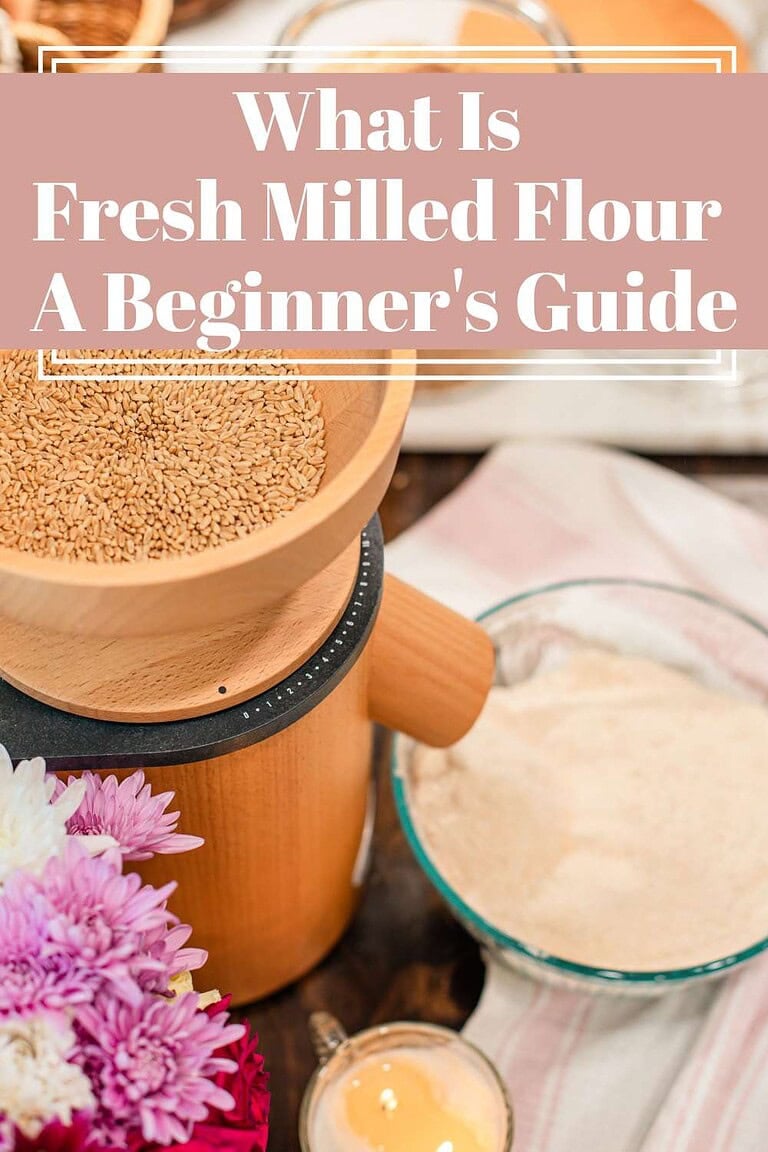
Whole grain milling starts with four tools for milling fresh flour at home, a grain mill, a kitchen scale, a sifter, and a mixer. This guide walks through the essential tools that make home milling possible.
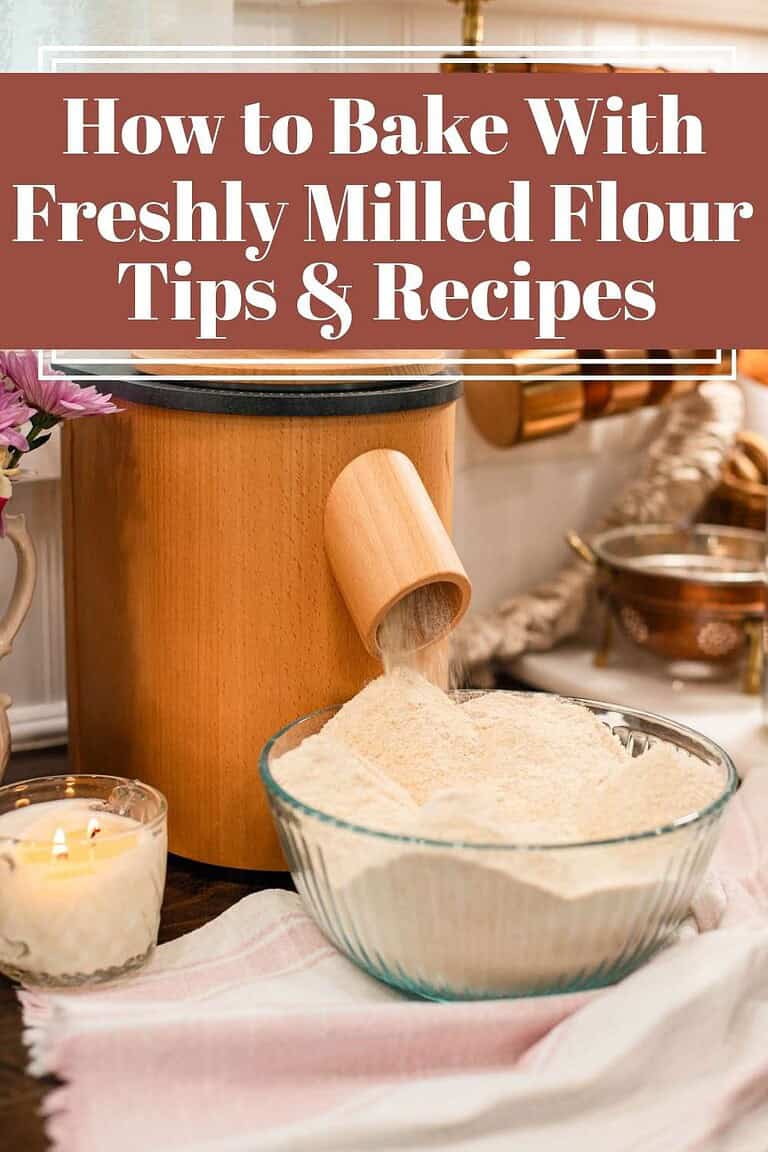
To choose the right wheat berries, Best Whole Grains to Mill explains how each grain behaves. Once you are baking, How to Bake with Freshly Milled Flour and How to Convert Recipes to Freshly Milled Flour will help you use your favorite recipes with confidence.
“ I just could not wait any longer to thank you for such a beautifully presented website filled with the most helpful and comprehensive information I have ever come across in my years of home-milling. THANK YOU! ” ~Brijet
What You’ll Learn In This Guide
01
The Grain Mill
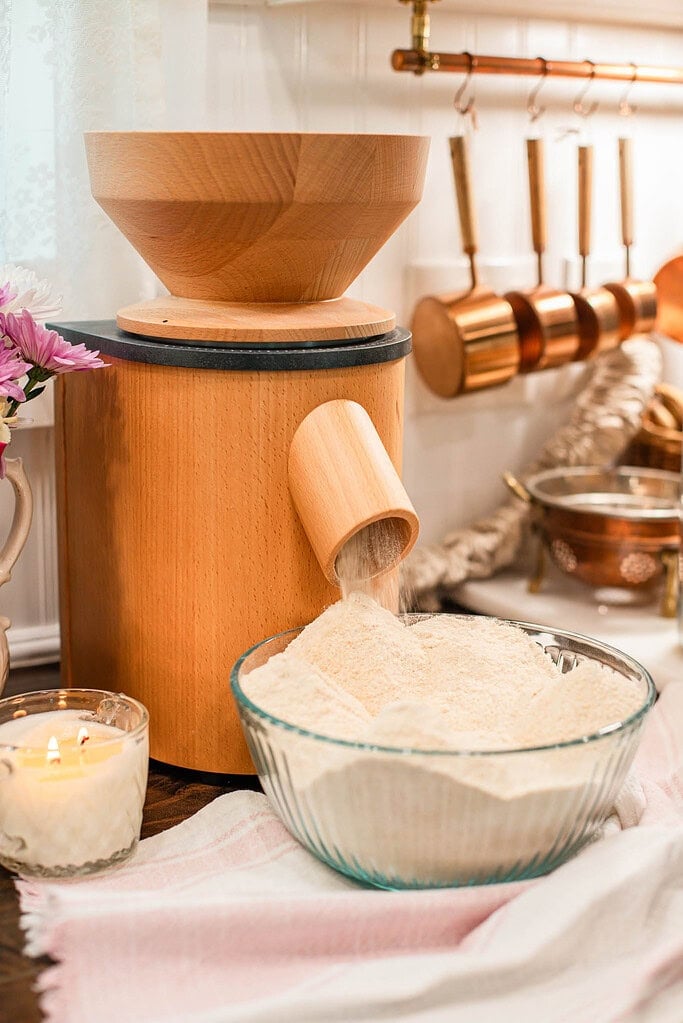
A grain mill is the most important tool for milling flour at home. It turns whole wheat berries into fresh milled flour just moments before baking, which changes both the flavor and the baking performance of everything that comes out of your oven.
A good grain mill creates flour that feels warm, soft, and full of character. Because the flour is freshly milled, it absorbs water differently and continues developing structure as the dough rests. The How to Bake with Freshly Milled Flour guide explains what to expect from that process in detail.
When choosing a grain mill, consistency matters more than speed. A reliable home milling machine produces fine to coarse flour, handles regular use, and fits naturally into your kitchen routine without becoming a burden.
Both impact mills and stone burr mills work well for home milling. Impact mills handle large batches quickly, while stone mills feel slower and more traditional, with a quieter rhythm that many bakers find grounding and enjoyable.
Once you begin home milling, the grain mill becomes the center of your whole grain baking workflow. It supports everything from simple sandwich bread to long fermented sourdough and freshly milled flour recipes as your skills and confidence grow.
Choosing the Right Grain Mill for Your Kitchen
Not all grain mills work the same way, and each style supports home milling differently. Electric mills offer speed and ease, while manual mills add flexibility for off-grid or slower paced baking.
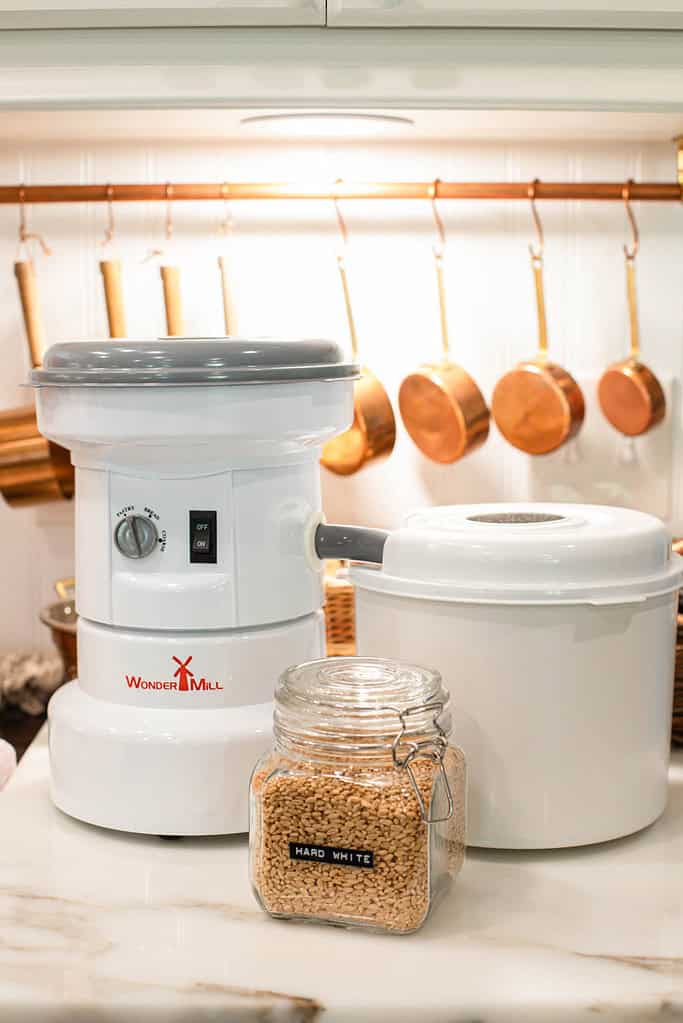
WonderMill, impact mill – The WonderMill was my first grain mill, back when it was called the WhisperMill. It mills flour quickly and handles large batches with ease, which makes it helpful for frequent baking or bulk milling days. The flour comes out fine and consistent, and for busy kitchens, this style of mill keeps home milling efficient.
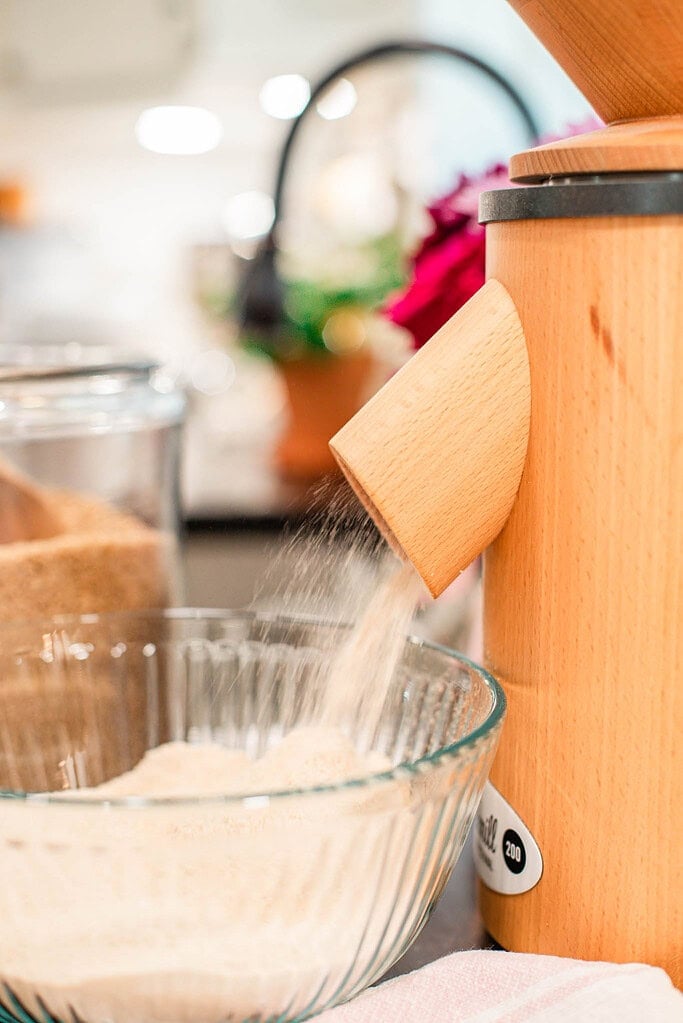
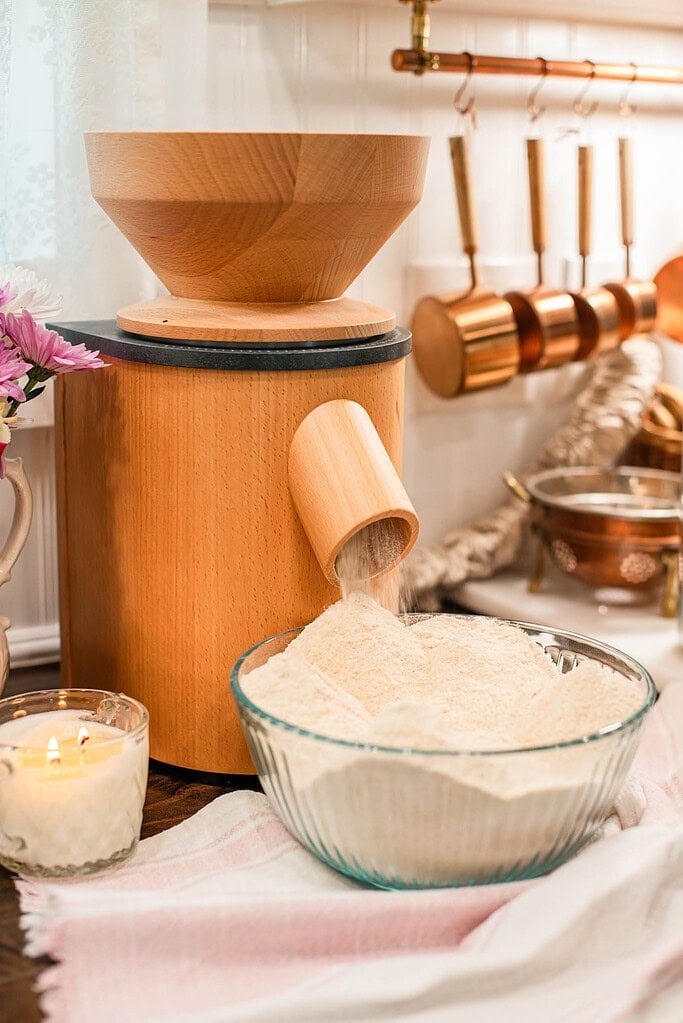
Mockmill Professional 200, stone burr mill – The Mockmill brings a quieter, slower rhythm to home milling. Its stone burrs grind wheat berries evenly and feel connected to traditional milling methods. The motor is strong, the footprint stays compact, and the process feels calm and steady. Many bakers prefer this style when milling fresh flour often or working with longer fermentation doughs.
The Nutrimill Harvest, stone burr mill – The Nutrimill Harvest wooden grain mill is a stone burr mill that is very comparable to other stone burr mills. I bought my daughter this mill and have been very happy with the results. It is economical compared to wood mills on the market today. Its stone burrs grind wheat very fine to course depending on what texture you prefer. The motor is strong and the foot print is compact.
Manual grain mills, off-grid option – Manual mills add another layer of flexibility. Models like the WonderMill manual mill or Country Living grain mill allow you to mill flour without electricity. Some manual mills can connect to motors later, and certain designs even adapt to bicycle power for off-grid milling. While they require more effort, they offer full control and work well for off-grid or manual milling purposes.
Home milling has come a long way. Today’s grain mills support both on-grid and off-grid kitchens, fast milling or slow milling, and everything in between. No matter the style you choose, your grain mill becomes the foundation of your fresh-milled flour baking journey.
02
The Best Mixer for Fresh Milled Flour
Fresh milled flour dough places more demand on a mixer than dough made with store-bought flour. The bran, germ, and natural oils create a heavier dough that benefits from steady power and controlled mixing, and not every mixer handles that load the same way.
Some mixers handle fresh milled flour dough more easily than others. Mixers designed for whole grain or high hydration doughs can run longer without overheating and maintain consistent speed under load, which makes a real difference during regular baking.
Other stand mixers still work well with fresh-milled flour but benefit from shorter mixing intervals. Using a mix and rest pattern allows the flour to hydrate while protecting the motor, and this rhythm produces excellent results in most home kitchens.
A simple mix, pause, and resume pattern works well across many baking styles. Mix briefly, pause to let the dough rest, then resume once the flour has softened and the gluten has begun to develop. This approach supports good structure and reduces strain on the machine at the same time.
Choosing the right mixer depends on how often you bake and the batch sizes you prefer. For frequent fresh-milled flour baking, a mixer built for heavier doughs offers ease and longevity. For occasional baking, a standard stand mixer performs well with mindful pacing and shorter mixing sessions.
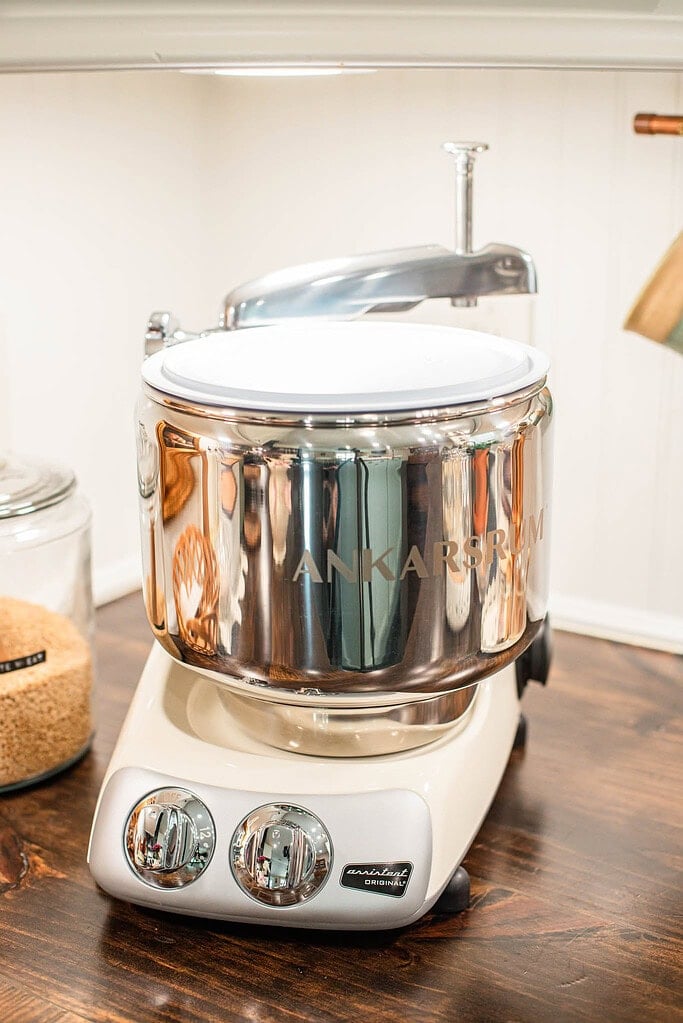
Ankarsrum Assistent Original – The Ankarsrum handles fresh milled flour with ease. Its motor sits at the base, the bowl stays open, and the dough develops steadily without strain. If fresh milled flour becomes a long term commitment in your kitchen, this style of mixer supports frequent baking and larger batches comfortably without overheating.
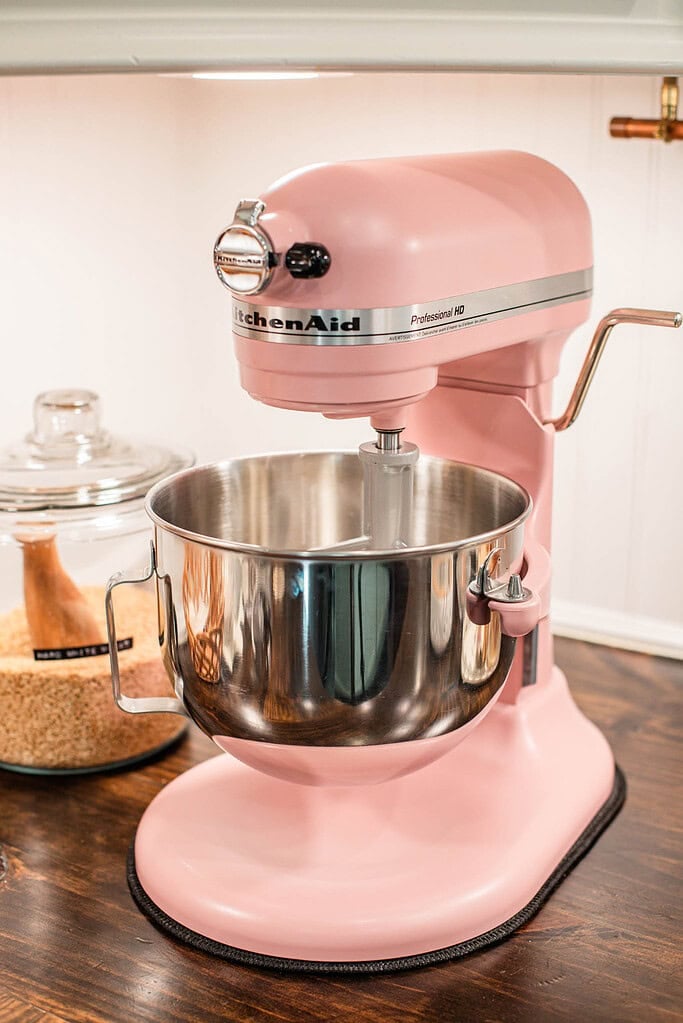
KitchenAid Stand Mixer – A KitchenAid works well for fresh-milled flour when used thoughtfully. Short mixing periods followed by rest time allow the dough to hydrate while protecting the motor. This makes it a great choice for bakers who want to explore fresh-milled flour before investing in a heavy-duty mixer, and many bakers start here because it’s a stand mixer they may already have on hand and upgrade later as their fresh-milled flour baking grows.
A mixer supports good gluten development. When you understand how fresh-milled flour behaves, even simple equipment and even just a bowl and your hands can produce excellent results in a fresh flour kitchen.
03
The Kitchen Scale
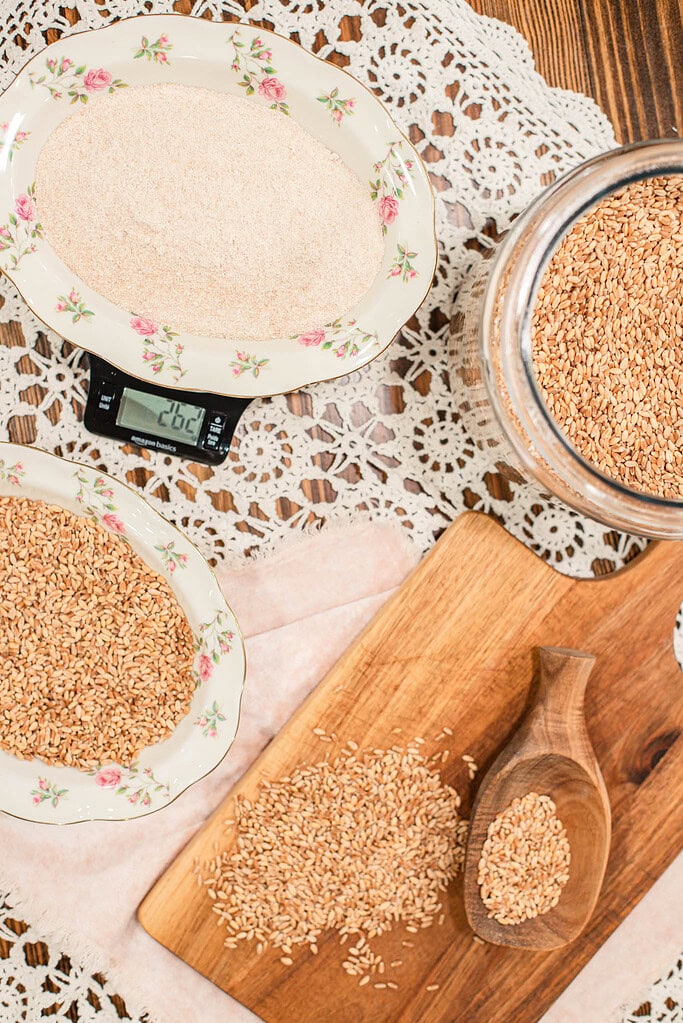
A kitchen scale is one of the most essential tools when working with fresh milled flour. Even if you do not own a grain mill yet, a scale allows you to bake accurately with fresh flour milled by a friend, local mill, or co-op, and it improves every bake regardless of how the flour was produced.
Fresh milled flour behaves differently by volume than by weight. Weighing ingredients provides consistency, repeatable results, and better hydration control across recipes, which makes the difference between a bake that works and one that keeps leaving you guessing.
If you are testing whether your family enjoys fresh milled flour before investing in equipment, a scale is the best place to start. It allows you to focus on results rather than guesswork, and it costs far less than a grain mill while delivering immediate improvement to your baking accuracy.
Accurate weight matters even more when converting recipes from pre-milled flour. The How to Convert Recipes to Freshly Milled Flour guide relies on weight measurements for the most reliable results, and weighing in grams consistently is the single habit that makes the biggest difference for new home millers.
If you own only one tool at the beginning of your home milling journey, make it a kitchen scale. It improves every bake, supports accurate conversion, and sets you up for success long before you invest in anything else.
04
The Best Sifter for Fresh Milled Flour
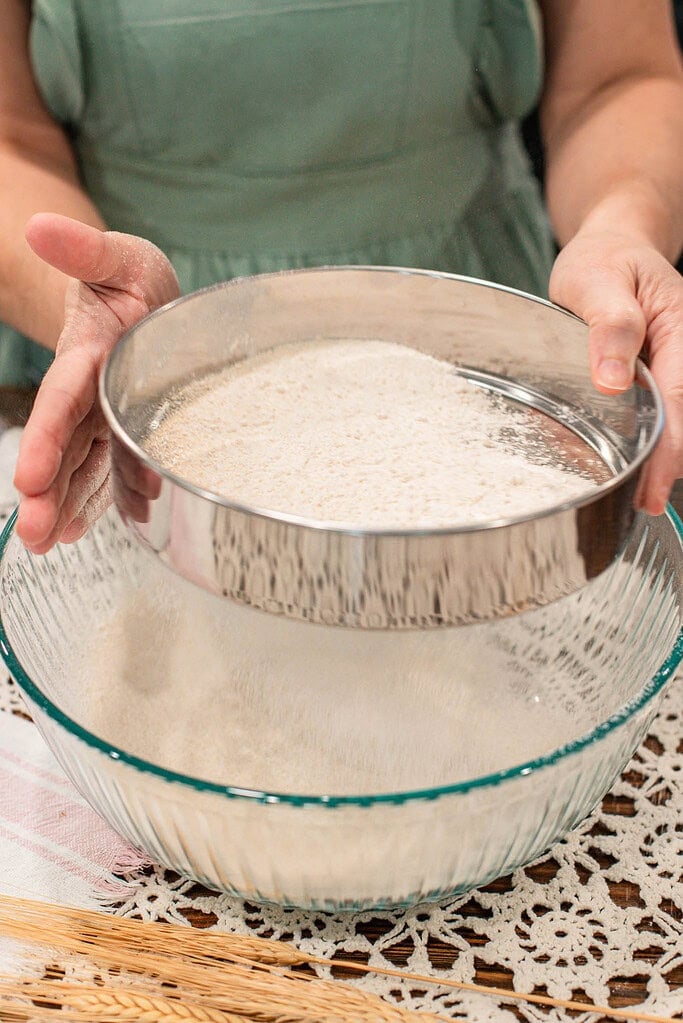
The best sifter for fresh milled flour depends on the texture you want and how much flour you sift at one time. Sifters shape both the texture of fresh milled flour and the pace of baking. They allow you to decide how much bran stays in the flour, which directly affects crumb, softness, and structure in everything from sandwich bread to delicate pastries.
I use both manual and electric sifters in my kitchen, each with #40, #50, and #60 screens. Each mesh creates a different flour texture, and each sifter style supports a different season of baking, depending on what I need that day.
Sifters and sieves are often used interchangeably. Both use a mesh screen to control how much bran passes through the flour, and the mesh size determines the texture of the finished flour. The Sifting Freshly Milled Flour guide explains how each size affects baking results in detail.
- The #40 sieve creates a texture similar to a whole wheat flour blend. It removes the largest bran pieces while keeping enough grain to support hearty breads and rustic loaves with good chew and depth of flavor.
- The #50 sieve softens the crumb while maintaining structure. This mesh produces a flour that behaves much like all-purpose flour, making it a dependable choice for everyday baking across cookies, muffins, sandwich bread, and focaccia.
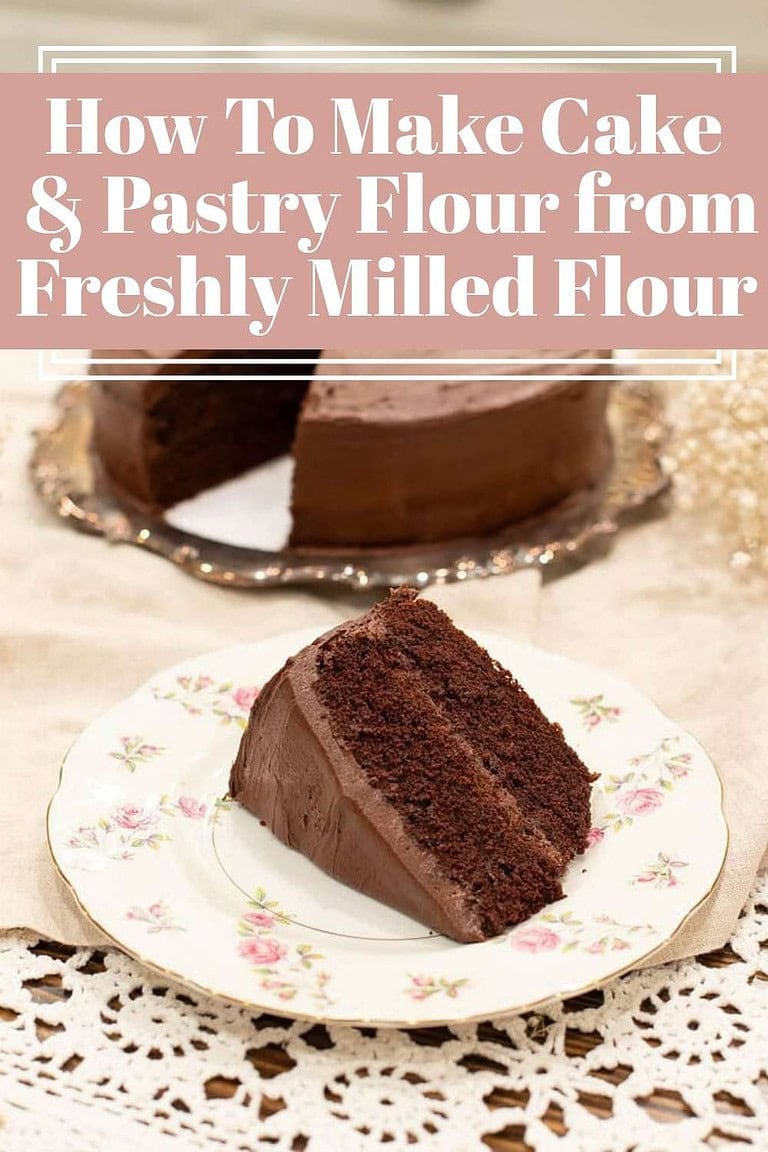
- The #60 sieve creates the finest flour. It closely matches cake, pastry, or double zero style flour, which works beautifully for pasta, pastries, and delicate bakes where a tender crumb matters most.
The electric sifter brings speed and ease to the process. It handles larger batches efficiently and works well for testing grains or batch baking days. If I had started with the electric sifter from the beginning, I likely would not have invested in manual sifters later, because it handles everything so reliably.
The manual sifters offer something different and quieter. They work without electricity, sift slowly, and ask a little more of your hands. For me, that slower pace is genuinely calming. I often reach for the manual sifter when I want to slow down, stay present in the task, and feel connected to my grandmother Nub and the way she worked in her kitchen.
Every time I pick up my manual sifter, I can picture her standing in her cozy homestead kitchen, flour drifting softly through the sieve, smiling with quiet joy at the work of her hands. That memory makes the slower pace worth every moment.
Most days, I choose the manual sifter first and the electric sifter second. During busy seasons or batch cooking days, I reach for the electric, and it never lets me down. Both belong in my kitchen for different reasons, and both belong in yours, too, when the time is right.
If you are just starting out, or if hand strain is a concern, an electric sifter makes the process accessible and enjoyable without sacrificing results. For a deeper explanation of when and why sifting matters, the Sifting Freshly Milled Flour guide covers everything you need.
Optional Milling Tool, The Bread Machine
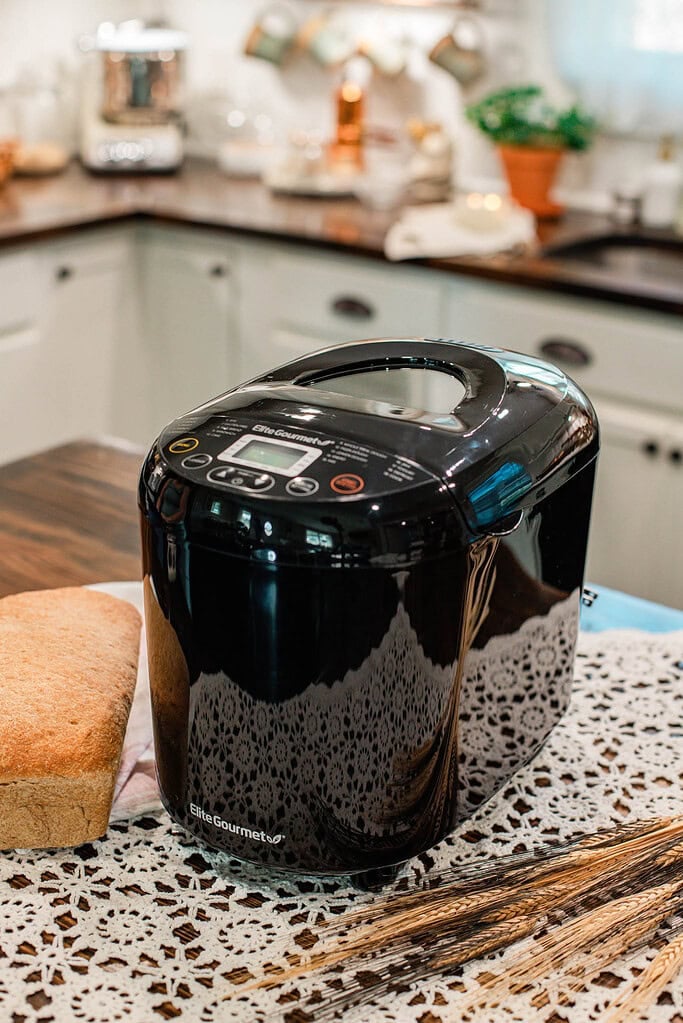
A bread machine is optional, but it can be a helpful support tool for fresh-milled flour baking. It is especially useful during busy seasons or when you want a hands off way to mix and knead dough.
I do not rely on a bread machine for every bake. However, I appreciate having one available when time or energy feels limited. It handles mixing and kneading well, then allows you to finish shaping and baking in the oven.
Bread machines work well for beginners but it comes with a caveat: to truly understand freshly milled flour dough, one needs to know how it feels through every stage. And if you use a bread machine every time, you’re missing out on how to tell when you have developed enough gluten, hydrated properly, and so much more. But they can remove the pressure of timing and technique while you learn how fresh milled flour behaves on test loaves you make without the bread machine’s help, which makes the whole process feel more forgiving and approachable from the start.
They also support accessibility in the kitchen. If arthritis, hand strain, or mobility issues make mixing and kneading difficult, a bread machine keeps fresh milled flour baking within reach without compromise.
Even after years of baking, I still use mine during hectic weeks. I let the machine do the early work, then move the dough to a loaf pan or Dutch oven to bake. It keeps fresh bread on the table without stress and without sacrificing the results I want in busy seasons.
A bread machine is not required for home milling. Think of it as a backup tool that supports consistency, confidence, and flexibility when you need it most.
Beginner Tools for Milling Flour at Home
Every miller’s journey begins somewhere. These are the tools I first started with, and many of them I still keep in my kitchen today.
The WonderMill, KitchenAid, and manual sifters are reliable companions that can help you learn the rhythm of milling without overcomplicating the process.
The WonderMill
KitchenAid
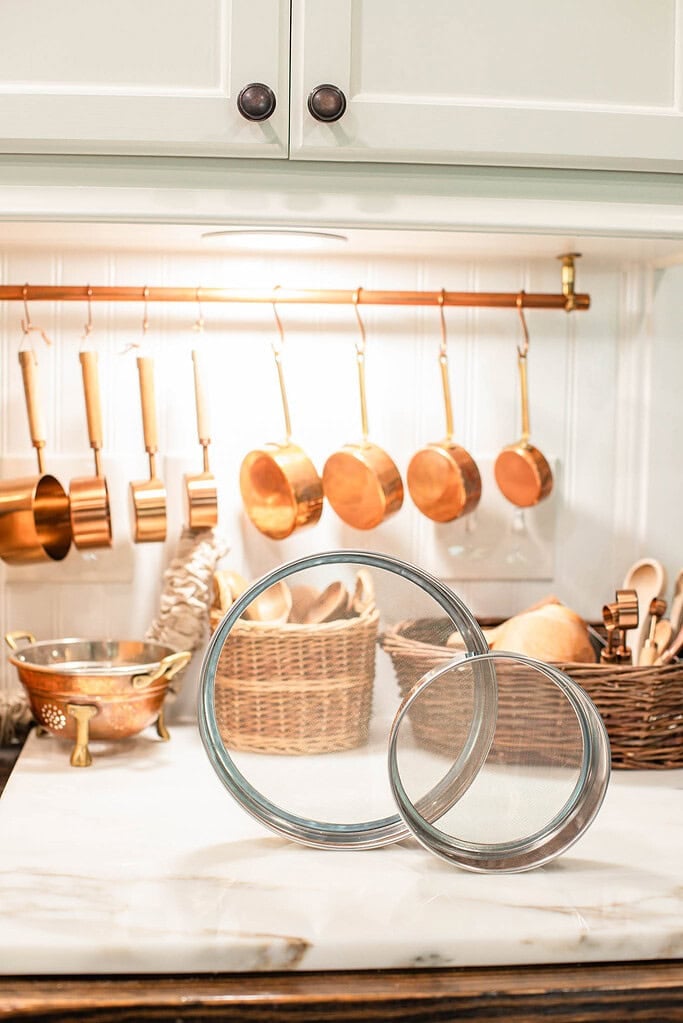
Manual Sieves #40-#60
Advanced Milling Tools
When I invested in an on-demand stone mill, everything about my milling rhythm changed.
Quiet, steady, and built for daily use, a stone mill allows you to mill on demand, flour to proridge and everything in between that is fresh, alive, and ready for whatever you’re baking.
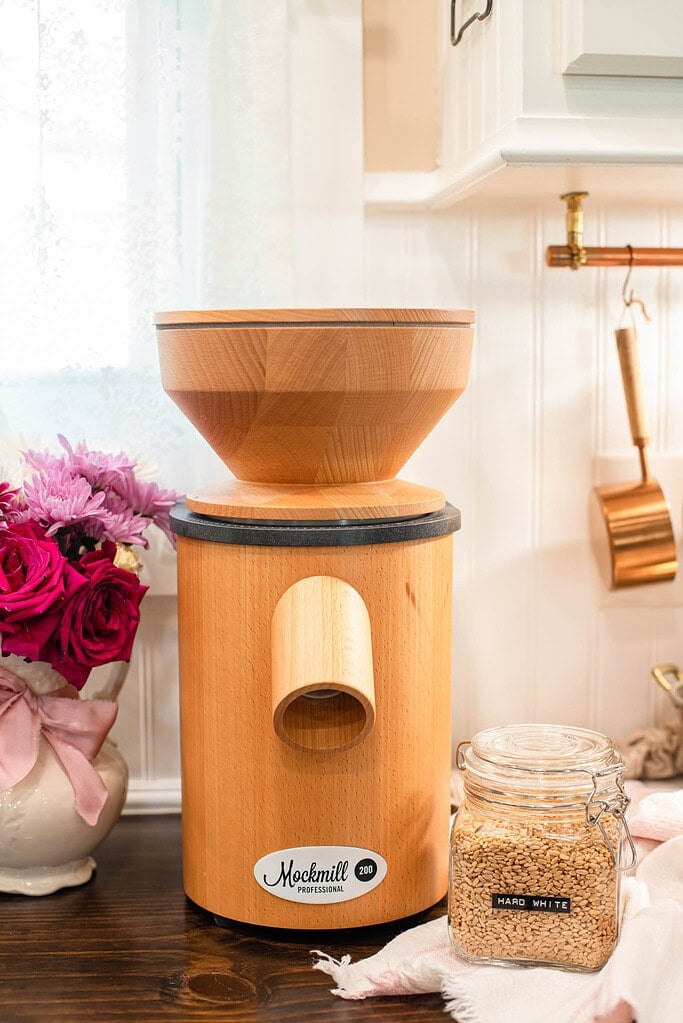
Mockmill Pro 200
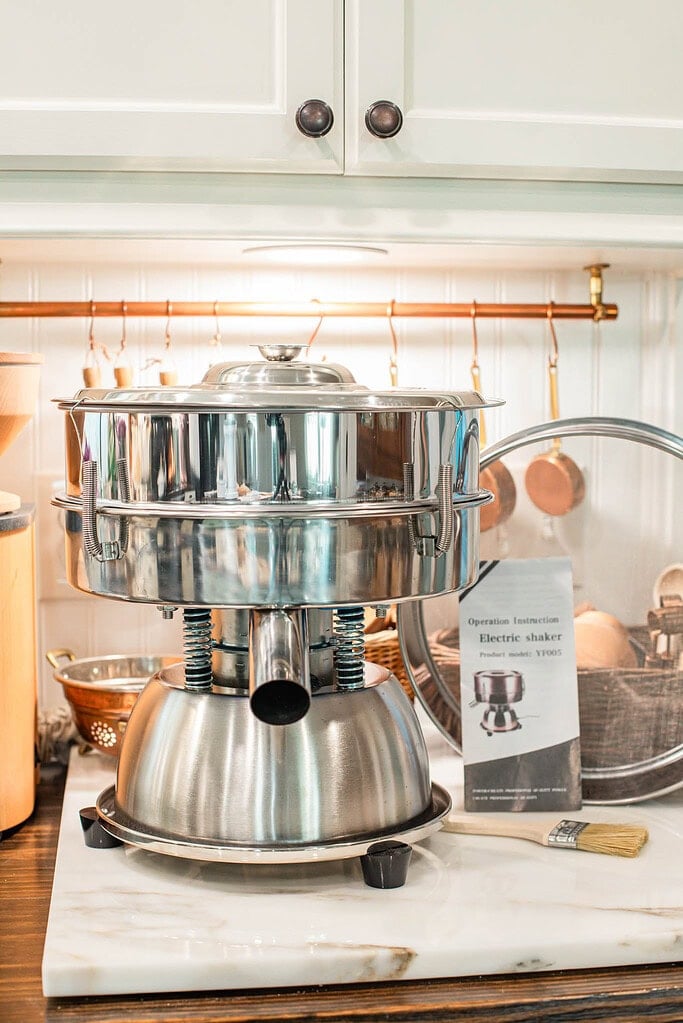
Electric Sifter
Ankarsrum Mixer
Bread Machine
Wheat & Whole Grain Sources
Good flour begins with good grain.
Choosing wheat berries and whole grains from trusted sources ensures your flour is full of flavor and fresh.
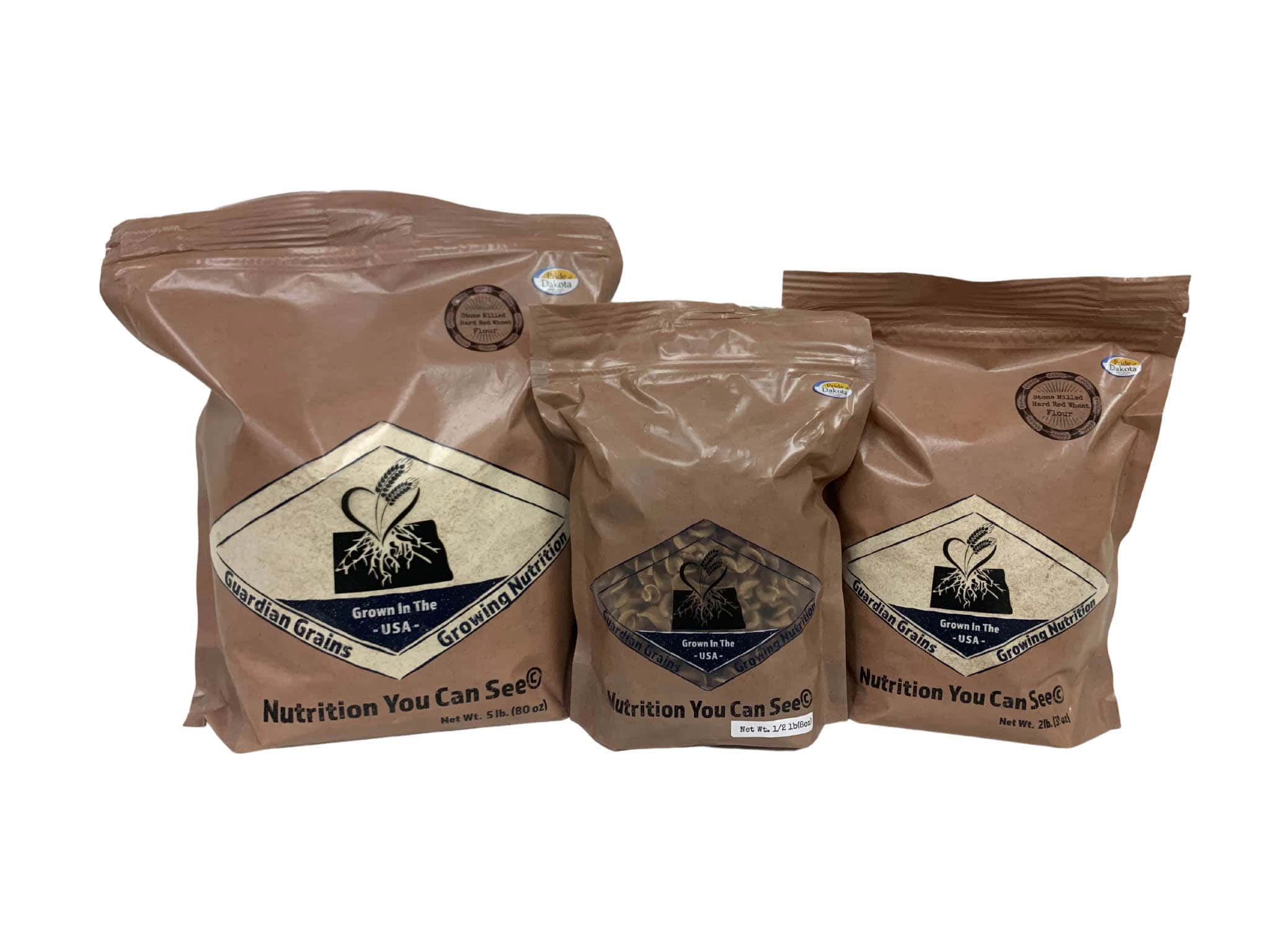
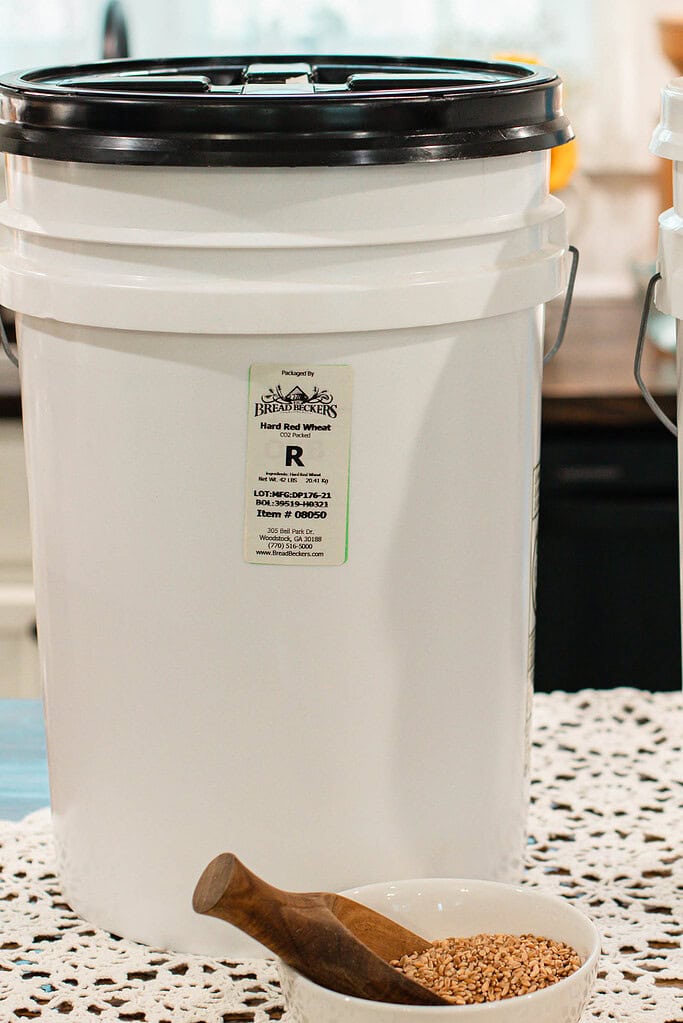
Over the years, I’ve come to rely on a handful of growers and suppliers whose grains I trust in my own kitchen.
These are the wheats, other whole grains that I return to season after season.
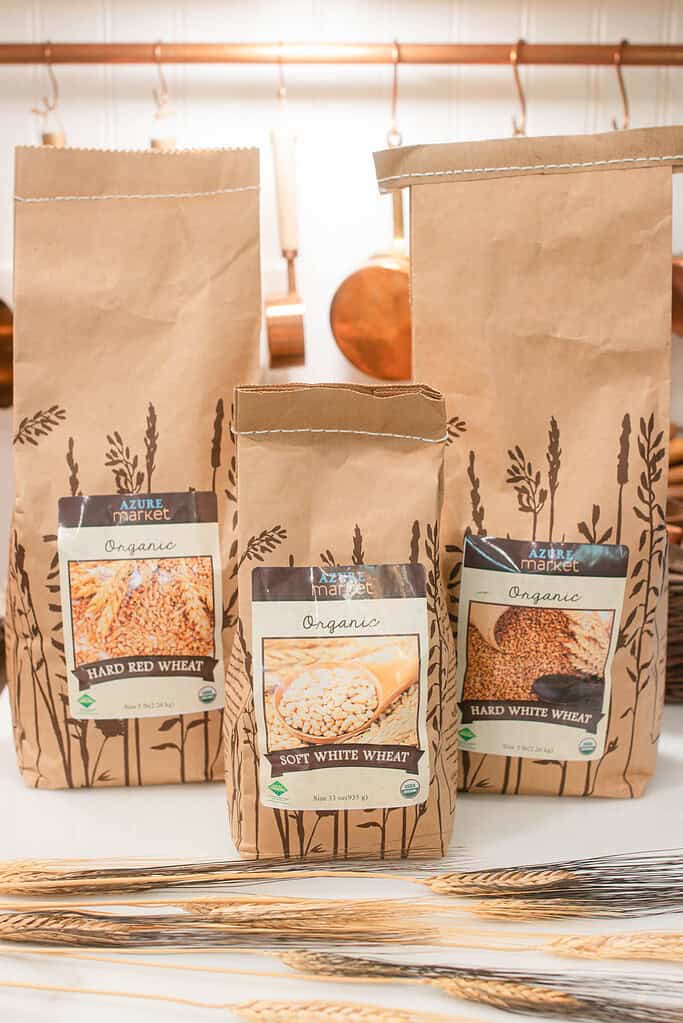
Home Milling Tips
Start with clean, quality grain – Milling begins with the wheat berries themselves. The Best Whole Grains to Mill guide offers clear guidance on which grains to reach for and why.
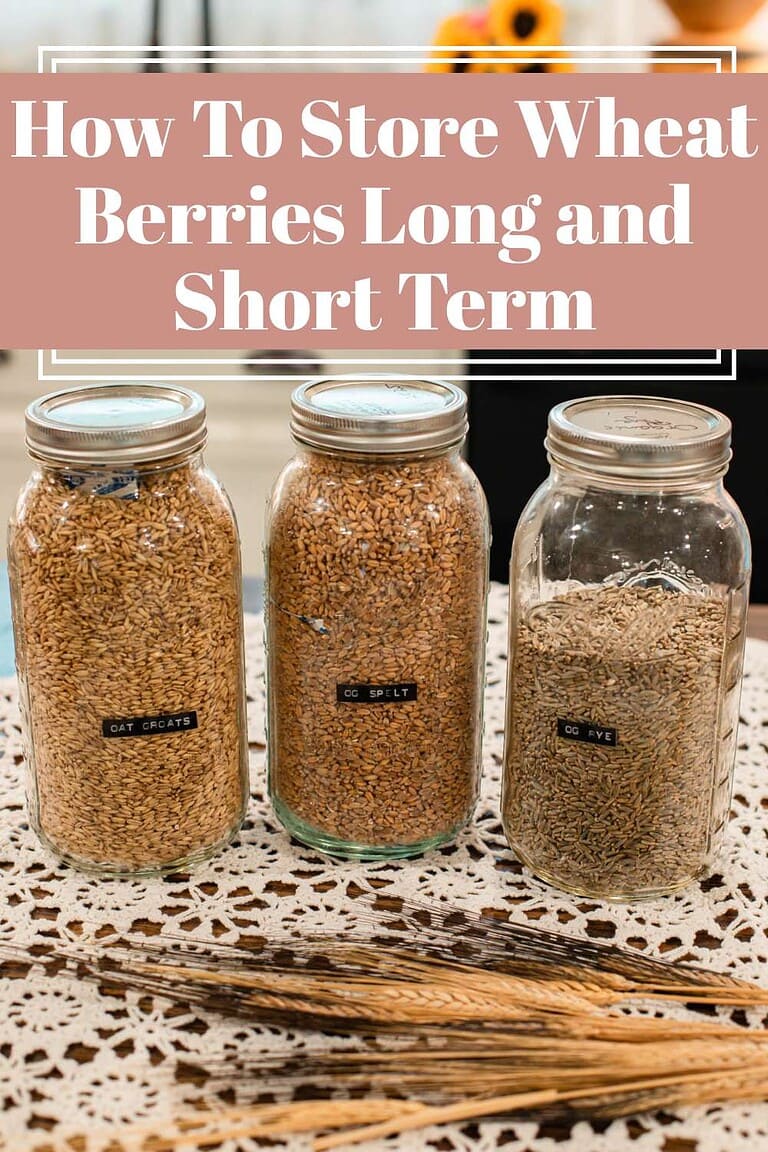
Store wheat berries for the long haul – Whole grains last far longer than flour when stored correctly. The How to Store Wheat Berries guide covers simple, reliable options for short and long term storage.
Turn your mill on before adding grain – Starting the motor first protects your home milling machine and keeps the grind smooth and consistent from the first berry.
Adjust fineness with purpose – Finer flour works best for baking, while coarser grinds suit cereal, cracked grain recipes, grits, and steel cut oats. Sifting helps fine tune texture once the flour is milled.
Use fresh flour close to milling – Freshly milled flour contains living oils and full flavor that begin to fade over time. Milling close to baking gives you the best performance and taste from every grain.
Let dough rest before heavy mixing – Short rest times allow fresh milled flour to hydrate evenly and improve texture before the gluten is worked. This step makes a noticeable difference in the dough that handles well and rises fully.
Sift only when the recipe needs it – Cakes, pastries, and delicate bakes benefit most from sifting. Rustic loaves and sourdough often perform beautifully without it. The Sifting Freshly Milled Flour guide helps you decide.
Store fresh milled flour carefully –
- Room temperature – 2 to 3 days in an airtight container in a cool, dark spot away from heat sources
- Refrigerator – 4 to 7 days in a strictly airtight container; glass jars with tight-fitting lids work especially well to prevent moisture absorption
- Freezer – up to 6 months in a freezer-safe airtight bag or container; bring to room temperature before baking. This How to Store Fresh Milled Flour guide covers counter, fridge, and freezer options.
Convert recipes with confidence – The How to Convert Recipes to Freshly Milled Flour guide walks through every adjustment you need to convert your tried and true recipes to fresh flour baked goods.
What Freshly Milled Flour Is Actually Made Of
A wheat berry has three parts, and each one changes how your flour behaves in your baked goods:
- The bran – roughly 14 to 16 percent of the kernel. Contains fiber, B vitamins including thiamine, riboflavin, niacin, and B6, plus iron, magnesium, and zinc. Stays in when you mill at home.
- The germ – roughly 2 to 3 percent of the kernel. Contains vitamin E, folate, healthy fats, and antioxidants. The natural oils are why fresh flour smells alive and why milling close to bake time matters.
- The endosperm – roughly 83 percent of the kernel. Almost entirely starch and protein. This is what refined white flour is made from.
Commercial refining removes some of the vitamins and minerals in the whole kernel. Enriched flour adds back some of those. Freshly milled whole grain flour retains over 40 micronutrients in their natural form.
One important distinction: when we sift freshly milled flour, we are not refining it. Sifting removes some, but not all of the bran, to adjust the texture or make fermentation more visible. The germ, endosperm, and some bran are still whole and intact. Sifting at home and commercial refining are two entirely different things.
For guidance on storing fresh milled flour after milling, How to Store Freshly Milled Flour covers everything.
Do you want to learn more about freshly milled flour? The Cottage Mill is filled with guides and resources to walk you through recipe conversions, flour blends, and techniques to help you bake with freshly milled flour with confidence.
The Cottage Mill | Freshly Milled Flour Guides, Recipes, and More Await!
Cottage Living Community
Join the Cozy Cottage Living Community
Sign up for The Modern Day Cottage Community newsletter to receive recipes. how-tos, exclusives, and more from my kitchen to your inbox every week.
FAQ
More Fresh Flour Guides from The Cottage
Was this guide helpful?
Please share this post with others if you found this guide helpful.

Emily Rider
Home miller since 1999 with fresh-milled flour & sourdough experience. Sharing from-scratch recipes and traditional kitchen skills, rooted in the seasons and inspired by everyday cottage living and seasonal rhythms.
Hello, Emily — I just could not wait any longer to thank you for such a beautifully presented website filled with the most helpful and comprehensive information I have ever come across in my years of home-milling. THANK YOU!
I love your layouts and colors and everything! I have been milling and baking our sandwich bread (and for toast) for many years now — the recipe started pretty simple but has now evolved into one I can call my own. I feel confident that I am providing the best I can for my family.
But that is where my adventure stopped. I was not confident to use our grain for anything else. Until you came along! Your information on sifting gave me the confidence to try something new. So this evening, our daughter and I used a #60 sieve to make buttermilk biscuits — and we are so pleased with the flavor! The recipe is not one written for home-milled flour though, so they didn’t rise as much as she had hoped but I was just glad to feel better about what we were eating instead of using KAF flour. In this process though — my hands were very tired from using our hand sifter (I bought the style I saw on your site). I am interested in finding out the cost of the electric sifter you have but I am not sure where to find that info. Could you let me know? I’d really appreciate it.
Thanks again for everything — I am inspired by you!
–Brijet
Hi, Brijet,
I honestly don’t know if I can fully express into words my gratitude for such a sweet and heart felt comment. I’ve read it several times now, and every time it brings tears to my eyes. Thank you for taking the time to write something so thoughtful.
Reading about you and your daughter making buttermilk biscuits together especially touched my heart because the very first thing I baked with my own daughter when she was little was buttermilk biscuits, too. It brought back such sweet memories.
Thank you, too, for your kind words about The Modern Day Cottage. Every color, every photograph, every layout, and every cozy little detail reflects something I love. My daughter helps me bring that vision to life, and together we’ve poured our hearts into creating a place where these heritage baking skills can be shared. Hearing that you found it beautiful means more than you know.
More than anything, your story reminded me why I started this journey to pass along the knowledge that was shared with me so it could continue in other families’ kitchens. Knowing it encouraged you to branch beyond sandwich bread and bake with your daughter is a gift I’ll never forget.
For the electric sifter, I use the SIDASU Automatic Vibrating Sieve Shaker with a separate #50 mesh screen.
Sifter: https://a.co/d/0eZD0ToO
#50 Mesh Screen: https://a.co/d/0dnmFk3b
If you haven’t already, I’d love for you to join our cottage community by signing up for my email newsletter! I share new recipes, behind-the-scenes updates, and I’m also looking for beta testers for my upcoming freshly milled flour course later this fall. I think you’d be a wonderful fit.
Thank you again, Brijet. Your kindness arrived at exactly the right time and encouraged me more than I can ever put into words.
With Love and Gratitude,
Emily