

When you start milling your own grains, one of the first things you’ll want to master is a reliable all-purpose flour blend — something soft enough for muffins, yet sturdy enough for cookies and biscuits.
In this guide, I’ll walk you step by step through how to make all-purpose flour from freshly milled flour, blending and sifting to create a flour that behaves much like store-bought all-purpose flour — only fresher, more flavorful, and full of life.
A perfect base for everyday baking — from tender pancakes to golden, buttery cookies.
This post may contain affiliate links. Please read our disclosure policy for details.
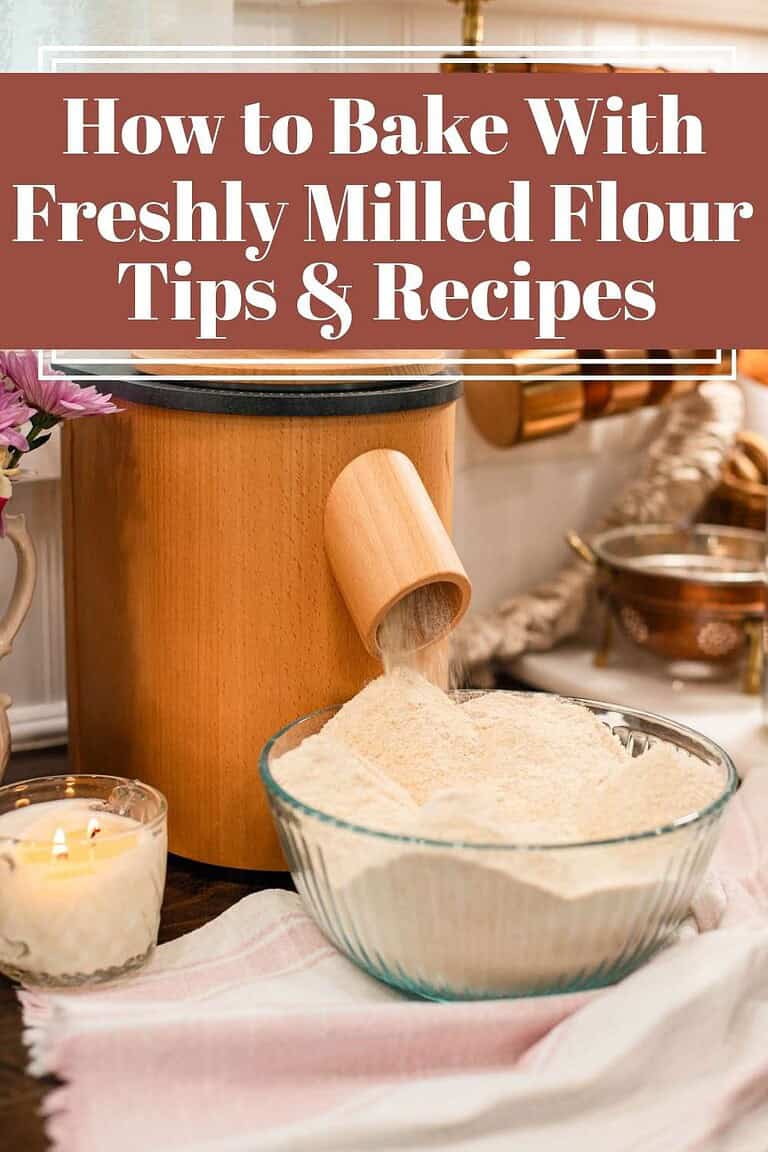
If you’re still learning the basics, start with How to Bake with Freshly Milled Flour | Tips & Recipes and How to Convert Recipes to Freshly Milled Flour.
Such a helpful guide and exactly what I needed! Now I know how to get the perfect all-purpose flour texture for my baked goods!
~ Astoria
A Cottage Milling Note
I often hear strong opinions about sifting in the fresh flour communities, some say you should never do it, others sift every time. After milling for decades, I’ve come to see it differently.
Sifting isn’t about right or wrong; it’s about what each bake calls for.
On some mornings, I want the hearty depth of a full-grain loaf. On others, I want the tenderness of a sifted flour scone.
That freedom, the ability to choose, is the gift of milling at home.
Why You’ll Love This Guide
Ingredients for All-Purpose Flour
How To Grind Wheat Berries for All-Purpose Flour
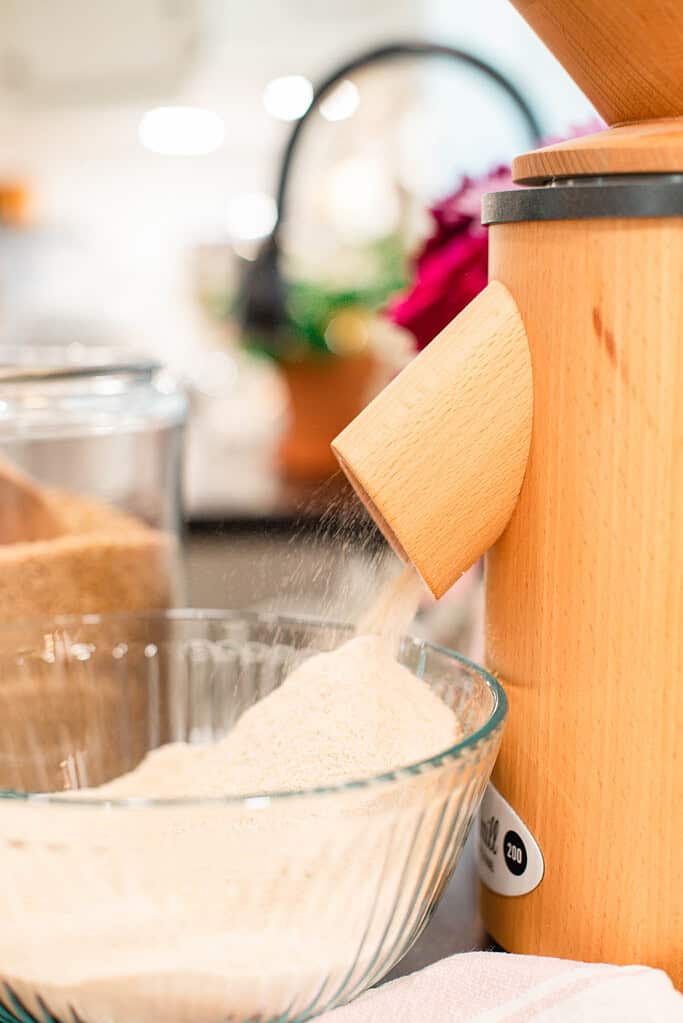
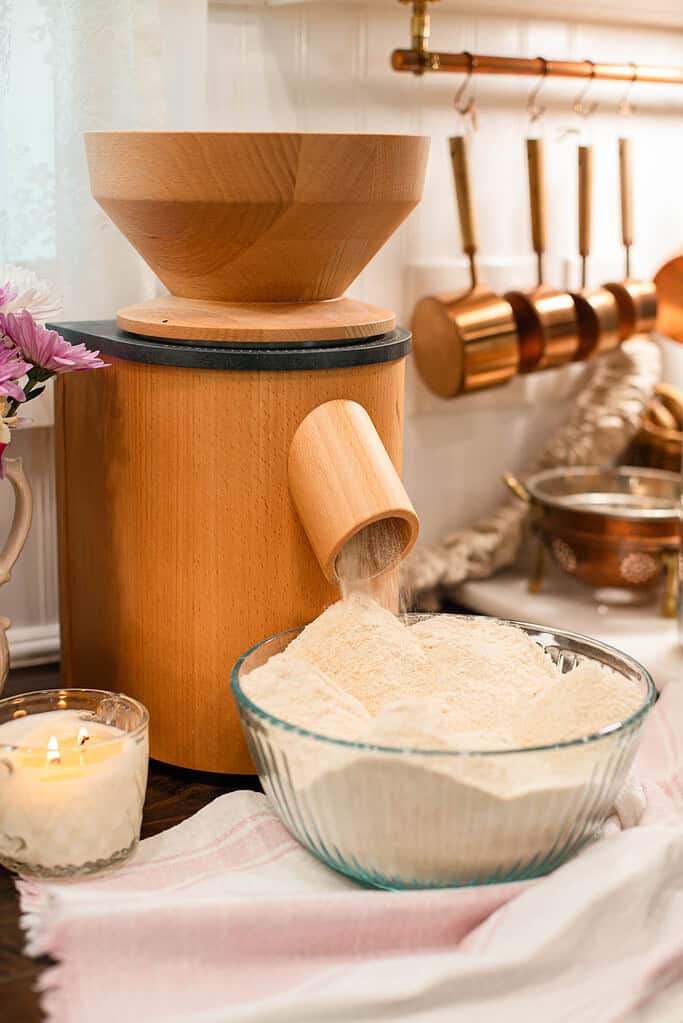
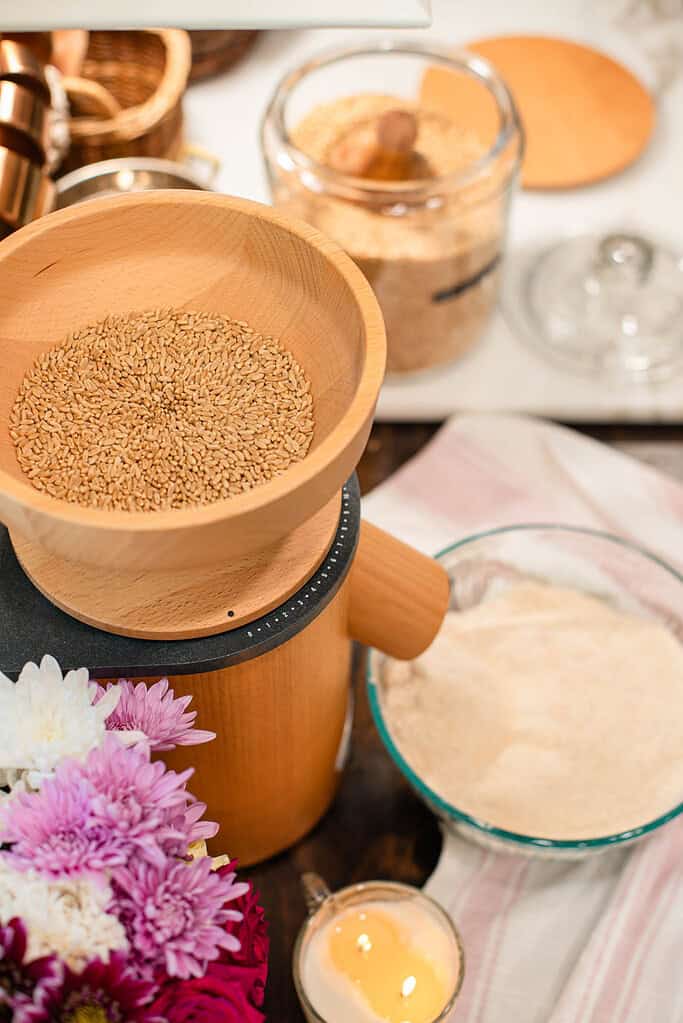
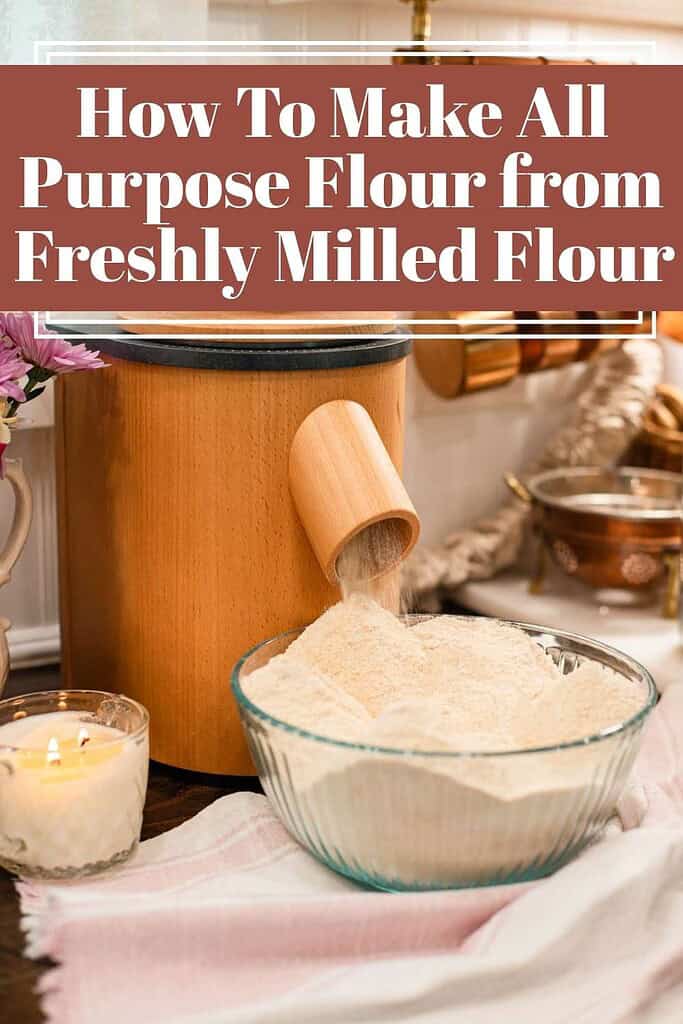
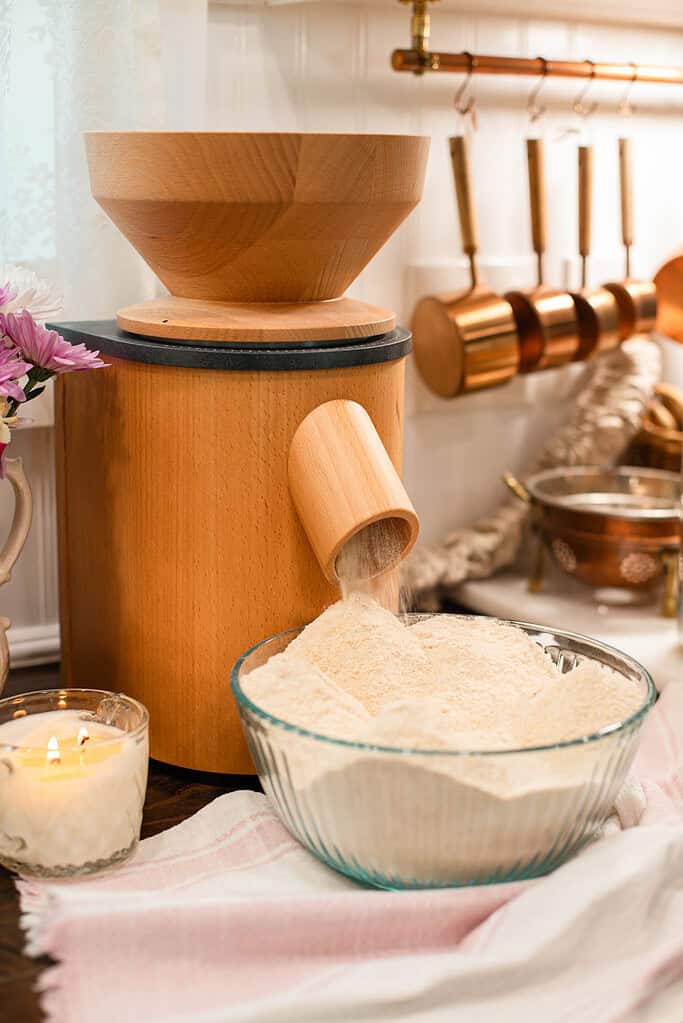
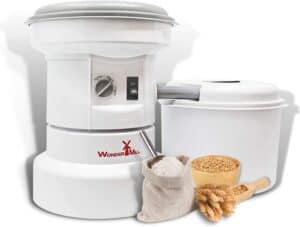
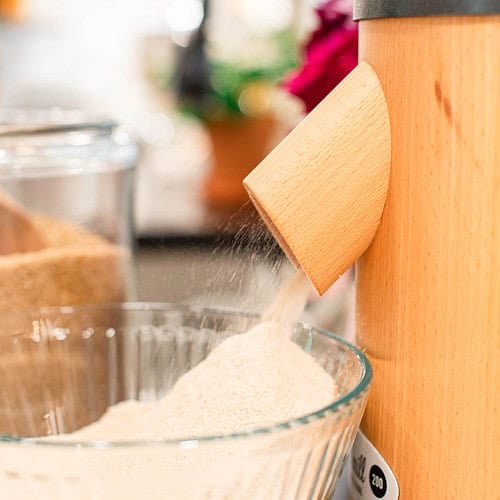
A stone mill or impact mill is best. I use a beautiful wooden Mockmill Professional 200 stone mill for on-demand daily baking, and my Whisper Mill impact mill (in use for 25 years) for quicker bulk milling.
Both keep flour temps under 108°F, which is perfectly safe since baking far exceeds that. Don’t stress brand names. Any reliable stone or impact mill will serve you well.
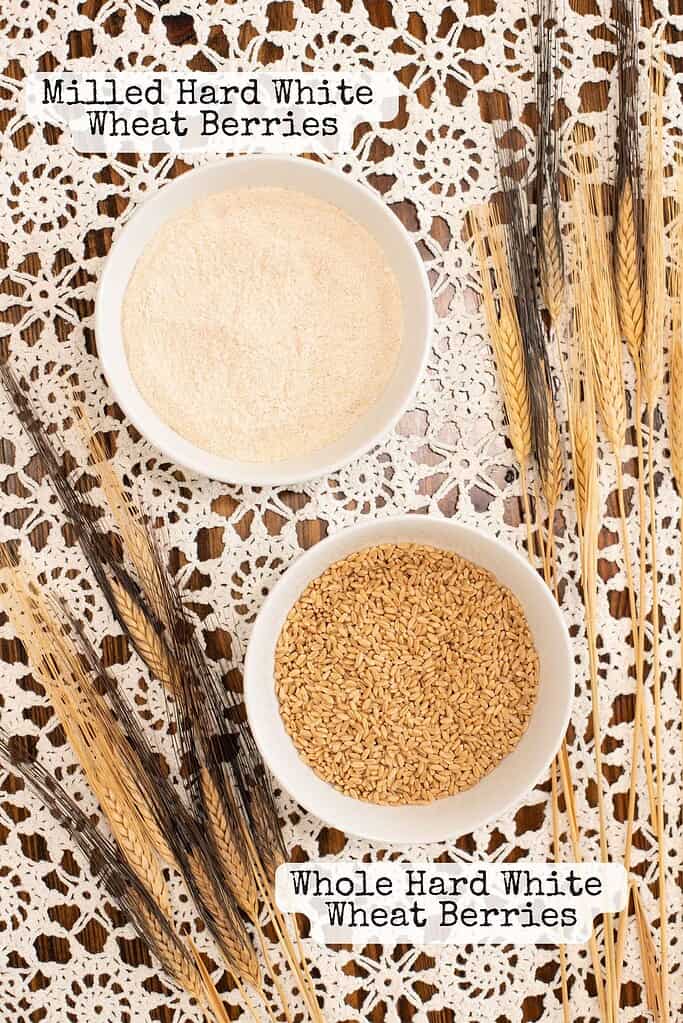
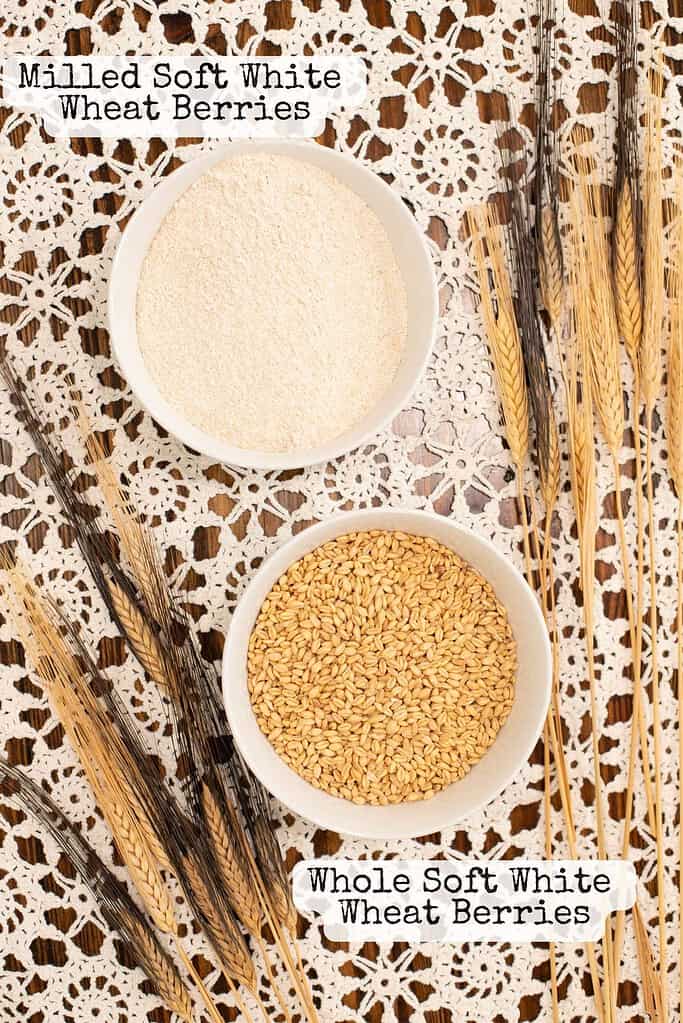
Using a blend of hard wheat and soft wheat will yield you the best results. This blend will be 60% hard white wheat and 40% soft white wheat.
You can use red soft or hard wheat berries for the white wheat varieties, but it depends on what you want. White wheat yields a more neutral tasting baked good, letting the filling or add-ons shine, while the red wheat tastes more nutty, adding a rustic quality to your final bake.
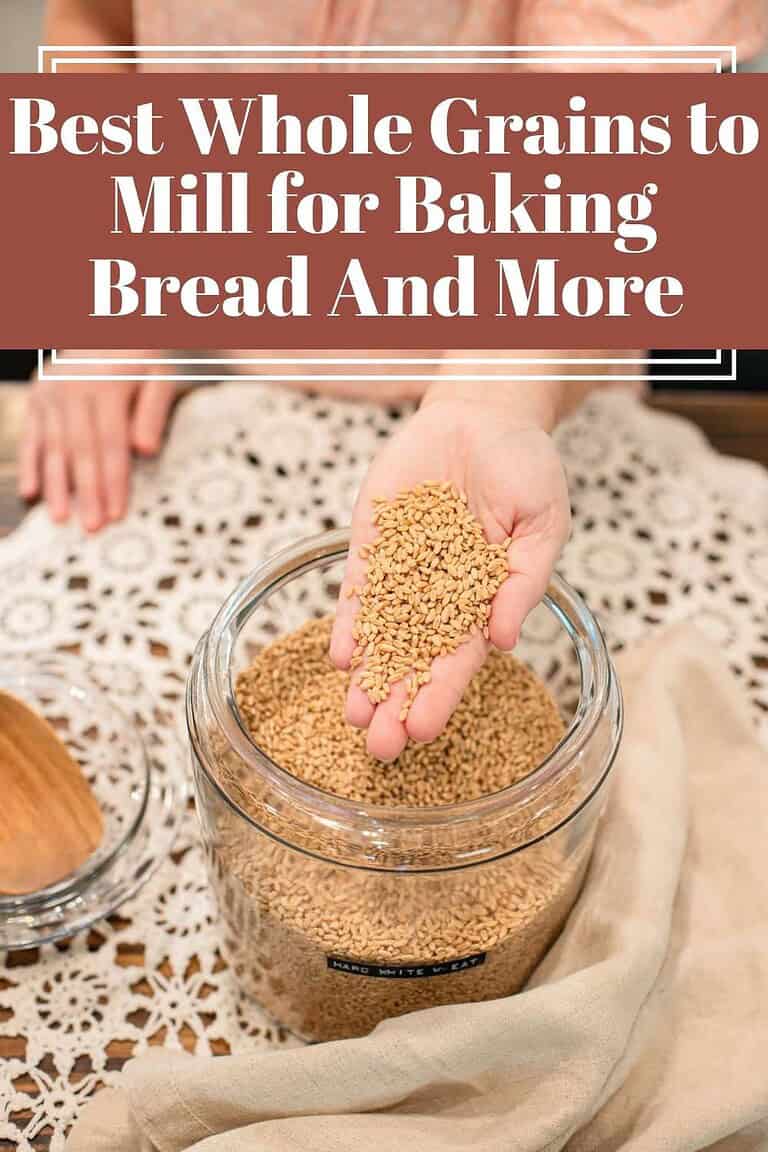
To learn more about when to use red or white wheat, you can read this post Best Whole Grains to Mill for Baking Bread & More for in-depth information on that subject.
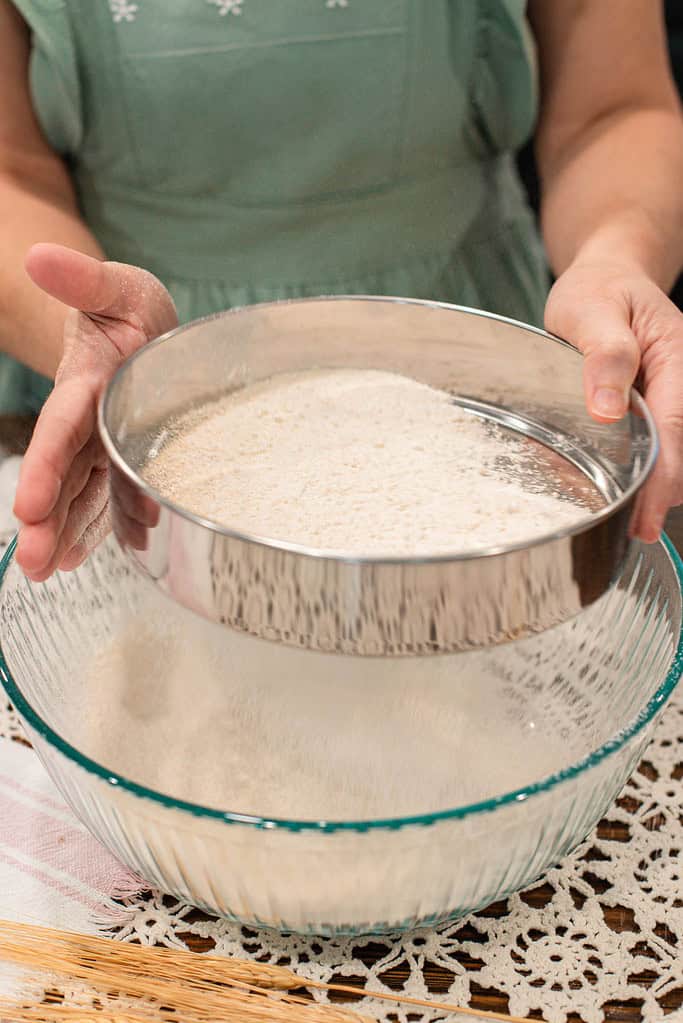
How to Get a Store-Bought All-Purpose Flour Texture at Home
Some bakers never sift, insisting that whole grain is the whole point of milling your own flour. Others sift often, especially for delicate bakes like cakes, scones, or cookies. Both approaches are valid—it depends on your end goal.
My mawmaw Nub almost always sifted. She would joke wholeheartedly when talking about shifting her whole wheat flour, “No one wants to eat sand in their cake or biscuits”, she would always respond.
She saved the sifted out bran for pancakes, bran muffins, rustic sourdough loaf toppings, and add-ins, and she even fed the bran to her beloved pasture-raised chickens, ducks, and geese. She would always smile when gathering eggs, boasting that her eggs were the best eggs in the county!
I learned my milling, sourdough & heritage skills from her and still use her wisdom even today.
But here’s my take: even when I sift, a cup of fresh milled flour still feels worlds apart from a cup of commercial store-bought flour. It carries more flavor, freshness, and character because it hasn’t been bleached, heavily sifted, or over-processed. For me, that makes sifting for tender bakes worth it!
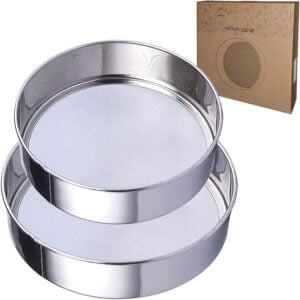
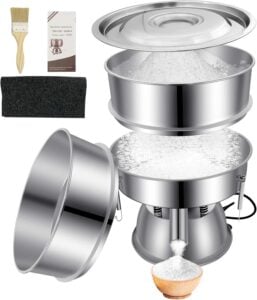
- Why to sift: To mimic commercial AP texture, reduce grit, aka sand texture, or make the transition easier if you’re new to fresh flour. I use a #50 when making my All Purpose Flour Blend.
- Why not to sift: For rustic breads, bran muffins, or hearty pancakes, whole grain flour adds depth and flavor to your final bake.
- How to sift: A #40 (rustic bakes),#50 (for bread flour and all-purpose flour), #60 (for pastry and cake flour) mesh sieves work well.
- What to do with bran: Don’t waste it, freeze it, and use it in sourdough breads, bran muffins, pancakes, or even smoothies.
A little note
If you’d like more details on when and why sifting makes sense, read this fresh milled flour guide: Sifting Freshly Milled Flour | Why, When & How to Do It.
Equipment & Tools
Troubleshooting
Flour feels gritty – That’s the bran. Sift with a No. 40, 50, or 60 mesh sieve to lighten the texture. For rustic bakes, use it as-is.
Cookies spread too much – Fresh flour absorbs liquid differently. Chill the dough before baking, or increase the hard wheat portion slightly for more structure.
Muffins or pancakes turn out dense – Your flour may be too coarse or too heavy with bran. Try sifting finer or adding an extra splash of liquid to loosen the batter.
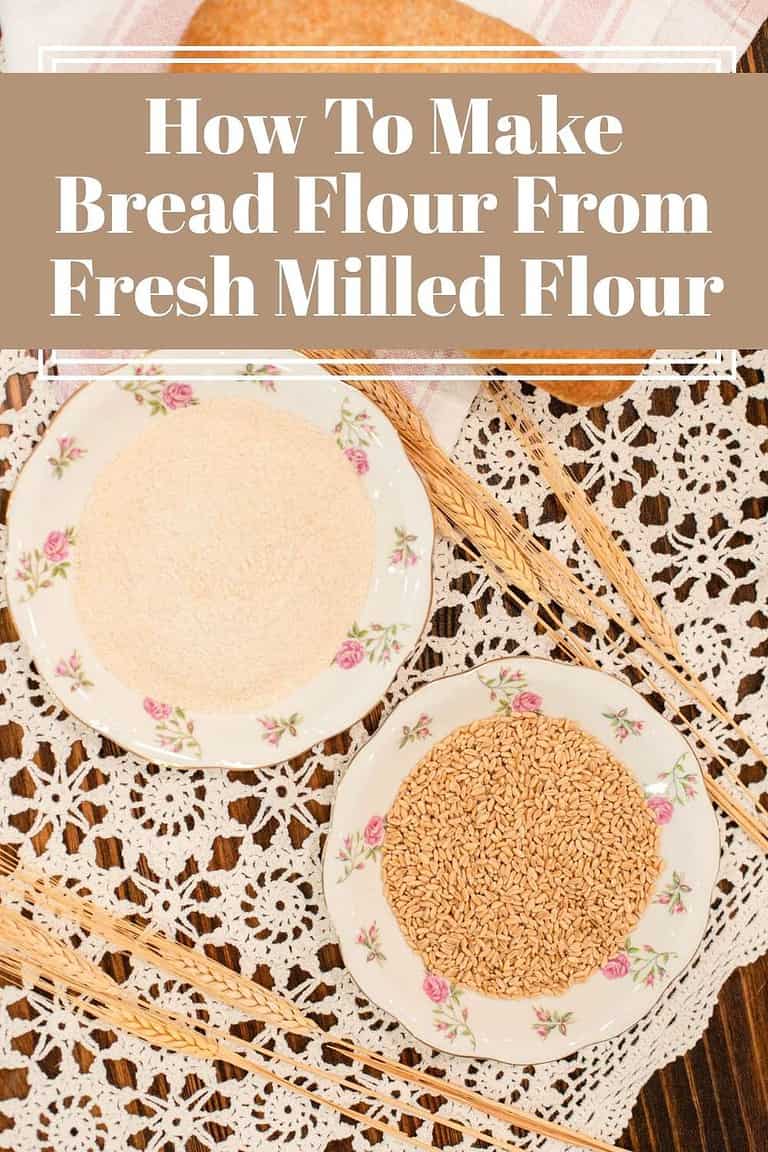
Loaves don’t rise like store bread – This all-purpose blend isn’t meant for yeast breads. For sandwich loaves or sourdough, read this guide: How to Make Bread Flour from Freshly Milled Flour
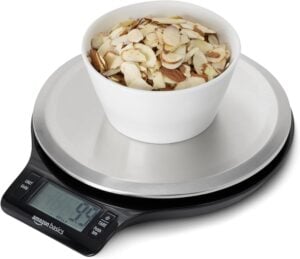
Measuring feels inconsistent – Fresh flour is fluffy. One cup doesn’t always equal the same amount. Use a digital kitchen scale whenever possible for accuracy.
Too much bran piling up – Don’t toss it! Store in the freezer and fold into sourdough, bran muffins, pancakes, or smoothies. It adds fiber and flavor.
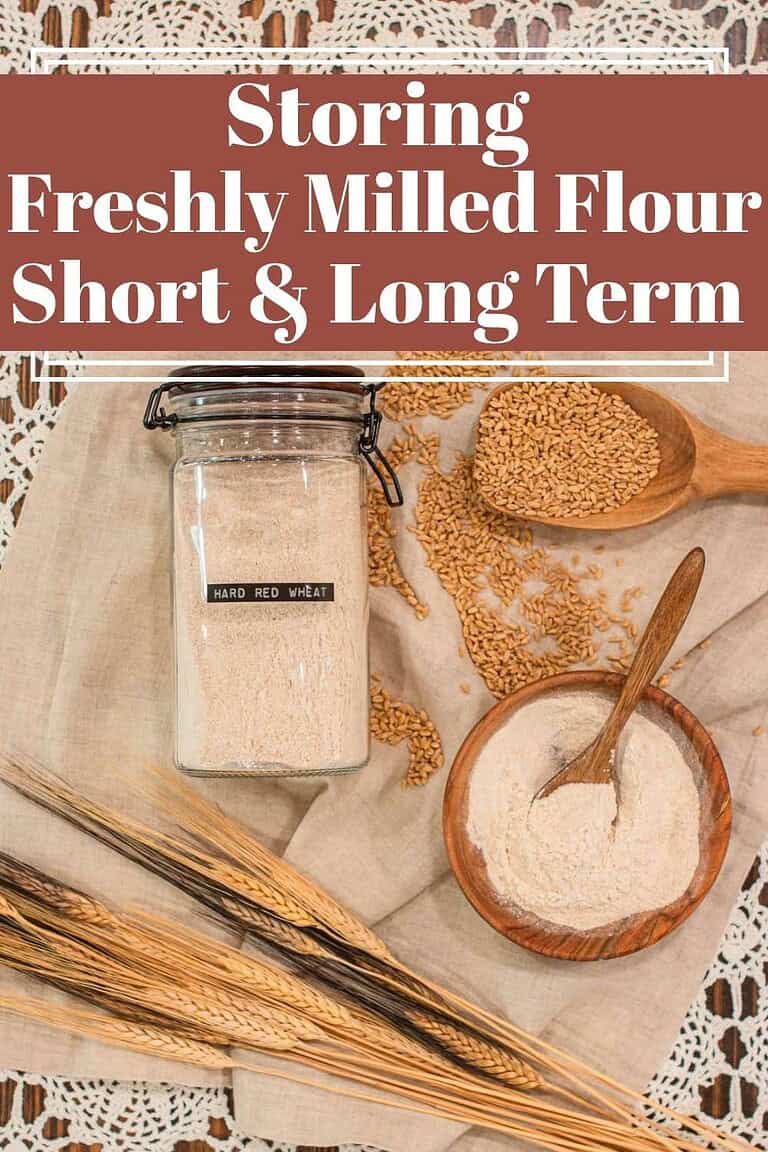
Flour spoils quickly – Fresh flour contains the oils of the wheat germ. Always store airtight in the fridge (up to 2 weeks) or freezer (up to 2 months). Avoid leaving it at room temperature.
Tip: Freshly milled flour is fluffier than store-bought, so cup measurements won’t line up the same. If you’re scooping with a measuring cup instead of weighing, use 1 ¼ cups of fresh flour for every 1 cup of flour (this is “the standard conversion”) called for in a recipe.
Don’t forget to pin this for later!
FAQ
Step into The Cottage Mill: Freshly Milled Flour Guides, Recipes, and More Await!

Cottage Living Newsletter
Join the Cottage Living Community
Seasonal recipes, cozy cottage projects, simple from-scratch living, and gentle inspiration for homemakers who crave a slower rhythm rooted in home and heart.
More Freshly Milled Flour Guides
Fresh Milled All-Purpose Flour Recipe Blend
Equipment
- Grain Mill
- Digital kitchen scale
- #50 Seive Optional if you want to sift.
Ingredients
Fresh-Milled All-Purpose Flour Blend (120 g)
- 72 grams Hard White Wheat Berries (about 1/2 c. of whole grains) You will need about 20%-30% more whole grains(wheat berries)if sifting.
- 48 grams Soft White Wheat Berries (a little under 1/2 cup of) You will need about 20%-30% more whole grains(wheat berries)if sifting.
Instructions
- Measure wheat berries according to your chosen blend.
- Grind on a fine setting using a stone or impact mill.
- (Optional) Sift with a No. #50 mesh sieve for a lighter texture.
- Use immediately for best results, or store airtight in the fridge for 2 weeks or freezer for 2 months.
Notes
60 g hard white wheat berries
36 g soft white wheat berries
24 g einkorn berries Kamut All-Purpose Flour Blend (120 g):
72 g hard white wheat berries
24 g soft white wheat berries
24 g kamut berries Emmer All-Purpose Flour Blend (120 g):
84 g hard white wheat berries
36 g emmer berries Spelt All-Purpose Flour Blend (120 g):
60 g hard white wheat berries
36 g soft white wheat berries
24 g spelt berries Rye All-Purpose Flour Blend (120 g):
72 g hard white wheat berries
24 g soft white wheat berries
24 g rye berries
Nutrition
Thank you for spending time with me here at The Modern Day Cottage. My hope is that each guide helps you mill and bake with more confidence. May your jars be ever full, and your loaves rise high.
With love & gratitude,
Emily
Did you liked this Fresh Milled Flour guide?
If you learned something valuable, I’d be so grateful if you came back to leave a 5 “⭐️” rating. Use the buttons below to share, comment, or connect—I truly enjoy seeing and celebrating your beautiful bakes.

Emily Rider
Cottage lifestyle blogger and home miller with 25+ years of sourdough and fresh-milled flour experience.
Sharing cozy homemade recipes that help you bake with confidence, celebrate each season, and savor the beauty of everyday cottage living.
If I sift the fresh Milled flour can my gluten free daughter eat the baked good?
Hi Geri,
Even when you sift fresh-milled flour, it still comes from whole wheat berries, and wheat naturally contains gluten. Sifting makes the flour lighter and softer, but it doesn’t take the gluten out. Because of that, anything made with wheat—fresh-milled or store-bought—wouldn’t work for someone who needs to avoid gluten.
I know that’s probably not the answer you were hoping for, but I’m really glad you reached out to ask. If you ever have more questions about fresh-milled flour or how it behaves in baking, I’m always happy to help.
Warmly,
Emily Rider
Such a helpful guide and exactly what I needed! Now I know how to get the perfect all purpose flour texture for my baked goods!
Thank you so much, Astoria! I’m so glad the guide was helpful for you. Freshly milled flour really is such a gift in the kitchen, and finding that perfect all-purpose texture makes all the difference in baking. I can’t wait to hear what you create with it!
Warmly, Emily