
Are you looking for a sourdough puff pastry made with freshly milled flour that’s buttery, flaky, and never fails? This is the one I’ve returned to for over 20 years—crafted slowly, folded with care, and full of the rich flavor that comes from sourdough discard and freshly milled flour.
The layers bake up crisp and golden, tender enough to wrap around fruit or savory fillings alike. It’s the kind of recipe that turns a quiet baking day into something truly special.
This post may contain affiliate links. Please read our disclosure policy for details.

Why You’ll Love This Recipe
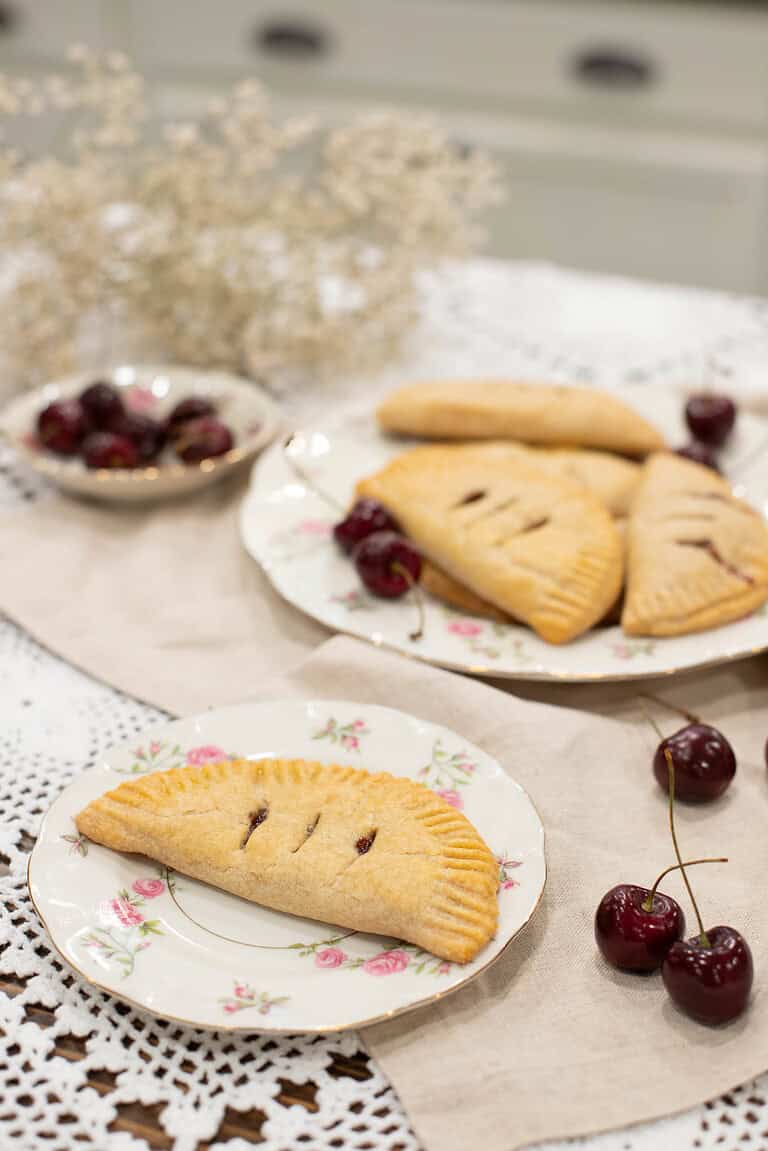
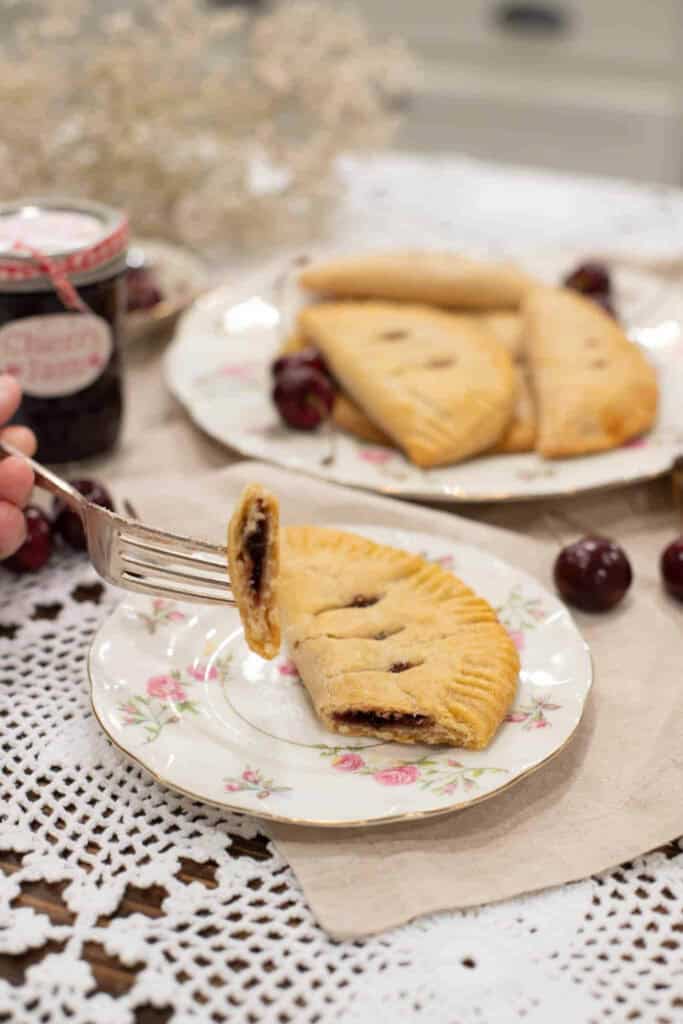
If you love the buttery layers in this sourdough puff pastry, you might also enjoy making peach hand pies with our homemade cottage-style peach preserves, or tucking in spoonfuls of our low-sugar cherry jam made with Pomona’s Pectin for a brighter, tangier bite. The peach brings a mellow, sun-warmed sweetness, while the cherry adds a deeper, more vibrant flavor—both capturing a little glimpse of the season in every fold.
Ingredients
Tip: Cool your flour before mixing – Freshly milled flour tends to warm slightly during grinding, which can soften your butter too soon. To keep everything properly chilled, I like to grate the cold butter first, then mill and sift the flour. I combine the flour, salt, and frozen grated butter in a freezer-safe bag, and pop it into the freezer for 30 minutes to an hour. This gives the flour time to cool and the butter time to firm up some more—so when you’re ready to mix using the “lobster claw” method, everything stays cold and easy to handle.
Recipe Tips
Keep your butter cold – The colder the butter, the flakier the layers. I like to freeze mine for at least 30 minutes before grating it into the flour.
Don’t rush – Letting the dough rest between folds keeps the gluten relaxed and helps the layers stay distinct and tender.
Use gentle hands – Avoid overworking the dough; soft hands and light pressure go a long way in creating a delicate, puffed pastry.
Choose the right flour – Freshly milled soft white or soft red wheat flour brings both tenderness and structure, with a warm, nutty depth.
Freeze for later – Once laminated, wrap the dough tightly and freeze—it will keep for up to 2 months and is perfect for pulling out on a whim for pies, tarts, or cozy weekend bakes.
Batch and freeze prep bags – When making several puff pastry batches, I grate the butter ahead of time and mix it with flour and salt in individual freezer-safe bags—one per recipe. I label each with “puff pastry,” the date (just in case life gets busy), and a note about what liquid still needs to be added. Then I flatten the bags, press out the air, and freeze—so they’re perfectly chilled and ready to go the next day or use within 2 months.
Cottage Living Newsletter
Join the Cottage Living Community
Seasonal recipes, cozy cottage projects, simple from-scratch living, and gentle inspiration for homemakers who crave a slower rhythm rooted in home and heart.


How To Make Sourdough Puff Pastry Step by Step
- Mill your flour – Start by milling your soft wheat berries, adding 30–50% more grain by weight than the final flour amount needed. Sift the flour through a #60 mesh sieve to remove the bran and achieve a soft, cake or pastry flour-like texture. You can skip sifting for a heartier bake but expect a coarser crumb. If not using fresh flour, good quality all-purpose flour like King Arthur Unbleached All-Purpose Flour will work beautifully.
- Prepare your dry mix – In a large bowl, whisk together the sifted flour and salt until well combined. If using frozen, grated butter, add it now and gently toss to coat the shreds evenly with flour. Keeping everything cold is key here.
- Incorporate the sourdough discard – Add your sourdough discard or starter (you can use either here) and begin mixing with a fork or your fingertips. Slowly drizzle in the ice-cold water —just a little at a time, until the dough starts to clump but isn’t overly wet.
- Form and chill the dough – Gently press the dough into a rough rectangle, wrap it tightly in parchment or beeswax wrap, and place it in the fridge to rest for at least 30–45 minutes. This helps relax the gluten and firm the butter before rolling.
- Begin the folds – On a lightly floured surface, roll the chilled dough into a long rectangle. Fold it into thirds like a letter, then rotate the dough 90 degrees. This is your first “book fold.”
- Chill between folds – Wrap and chill the dough again for 20–30 minutes between each set of folds. Repeat this folding and chilling process 3–4 times total to build up flaky, distinct layers.
- Final rest before baking – After the last fold, wrap the dough once more and refrigerate it for at least 1 hour (or overnight if you prefer). This final rest allows the flour to fully hydrate and gives you a beautifully structured, puffed pastry when baked.
- Ready to bake – When you’re ready to use the dough, let it rest at room temperature for 5–10 minutes so it’s just pliable enough to roll without cracking. Roll out on a lightly floured surface to your desired thickness (usually ¼ inch or slightly thinner), then cut, shape, or fill as your recipe calls for. Always bake in a fully preheated oven for the best rise—cold dough and hot heat are what create those signature flaky layers.
NOTE: Use the lobster claw method for flaky layers – This simple hand-mixing technique creates beautiful pockets of butter throughout the dough. To do it, gently rub your thumbs across your fingertips—like mimicking a lobster’s claw—pressing and lifting the butter into the flour. This coats the grated butter just enough without fully blending it, helping it create flaky layers. While a food processor is fast, it tends to overwork the dough and won’t give you the same puffy, layered finish that hand mixing offers.
FAQ’s
Recipe Variations




More Homemade Recipes from the Cottage;
- Fluffy Buttermilk Biscuits Recipe From Scratch
- Sourdough Beignets Recipe – Use Your Discard or Starter!
- Raspberry Sourdough Popovers (Discard or Starter)
- Strawberry Shortcake Recipe, Biscuit-Style with Fresh Milled Flour
- Homemade Cherry Jam Low Sugar with Pomona Pectin
Did you make this recipe?
If you gave it a try and loved it, I’d be so grateful if you came back to leave a 5 “⭐️” rating. Use the buttons below to share, comment, or connect—I truly enjoy seeing and celebrating your beautiful bakes.

Emily Rider
Cottage lifestyle blogger and home miller with 25+ years of sourdough and fresh-milled flour experience.
Sharing cozy homemade recipes that help you bake with confidence, celebrate each season, and savor the beauty of everyday cottage living.

Sourdough Puff Pastry Made with Freshly Milled Flour
Equipment
- 1 Glass measuring cup for liquids and ice creating ice water
- 1 Measuring Cups and Spoons for dry ingredients accuracy
- 1 Mixing Bowl to bring the dough together gently by hand
- 1 Cheese grater or food processor for grating frozen butter into the flour
- 1 Rolling Pin to laminate the dough and create flaky layers
- 1 Wheat grinder I use a Mockmill 200 Professional for everyday baking, or a WonderMill for bulk milling
- 1 Digital kitchen scale for weighing grains before milling and flour after sifting
Ingredients
- 2 ½ cups (300g) freshly milled soft wheat flour If not sifting, simply weigh out 300g of wheat berries before milling. If sifting with a #60 sieve, weigh out 500-600g of wheat berries to yield 300g of sifted flour after removing the bran.
- 1 cup (226g) unsalted butter, cold and cubed If using salted butter, omit added salt below.
- ½ cup (120g) sourdough discard
- ⅓ cup (80ml) ice water
- ½ teaspoon (3g) fine sea salt
Instructions
- Mill your flour – If you plan to sift your flour using a #60 mesh sieve, weigh out 500-600g of soft wheat berries to ensure you end up with 300g of sifted flour after removing the bran. If you’re not sifting, simply mill 300g of wheat berries (roughly 2½ cups by volume) and use the flour as-is. Once milled, set the flour aside and allow it to cool to room temperature before using.
- Grate and chill the butter- Grate 1 cup (226g) unsalted butter using a box grater or food processor. Place grated butter in the freezer for at least 15–30 minutes. Tip: If using salted butter, omit the added salt in Step 4.
- Combine the dry ingredients- In a large mixing bowl, combine the 240g freshly milled flour and ½ teaspoon (3g) fine sea salt (omit if using salted butter). Whisk gently to evenly distribute.
- Cut in the butter- Add the cold, grated butter to the flour mixture. Use your fingertips or a pastry blender to toss and lightly coat the butter with flour, keeping visible pieces. Do not overwork—this helps preserve flakiness.
- Add sourdough discard- Pour in ½ cup (120g) sourdough discard. Stir gently with a wooden spoon or spatula to begin forming a shaggy dough.
- Add ice water gradually- Drizzle in ⅓ cup (80ml) ice water, 1 tablespoon at a time, stirring just until the dough begins to hold together. You may not need the full ⅓ cup, depending on humidity and flour absorbency.
- Form and chill the dough- Turn the dough out onto a lightly floured surface. Gently press into a rough rectangle, fold in thirds like a letter, and wrap tightly in parchment or plastic. Chill for at least 1 hour.
- Laminate the dough- On a cold surface (like a marble slab or chilled counter), roll the dough into a long rectangle, then fold in thirds again. Repeat this 3–4 times, resting in the fridge for 15 minutes between each set of folds to keep the butter cold.
- Final rest and storage- Wrap the finished dough well and chill for at least 1 more hour before using. You may refrigerate up to 3 days or freeze for up to 2 months.