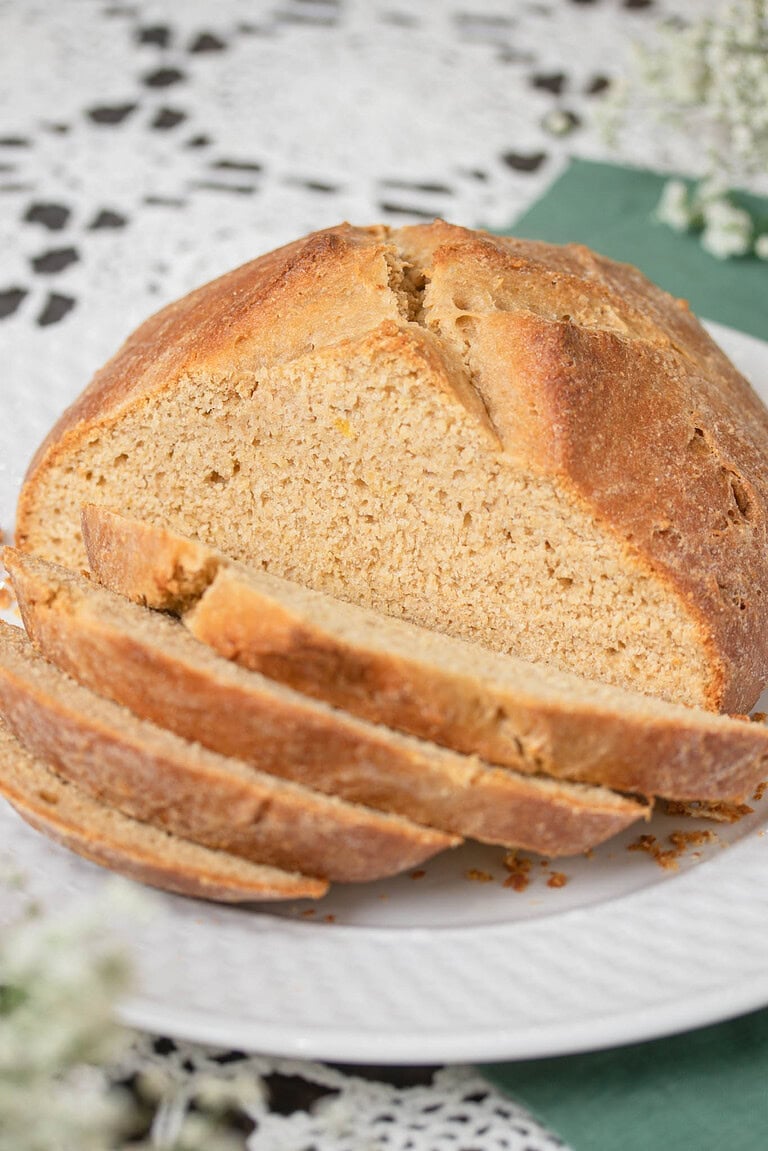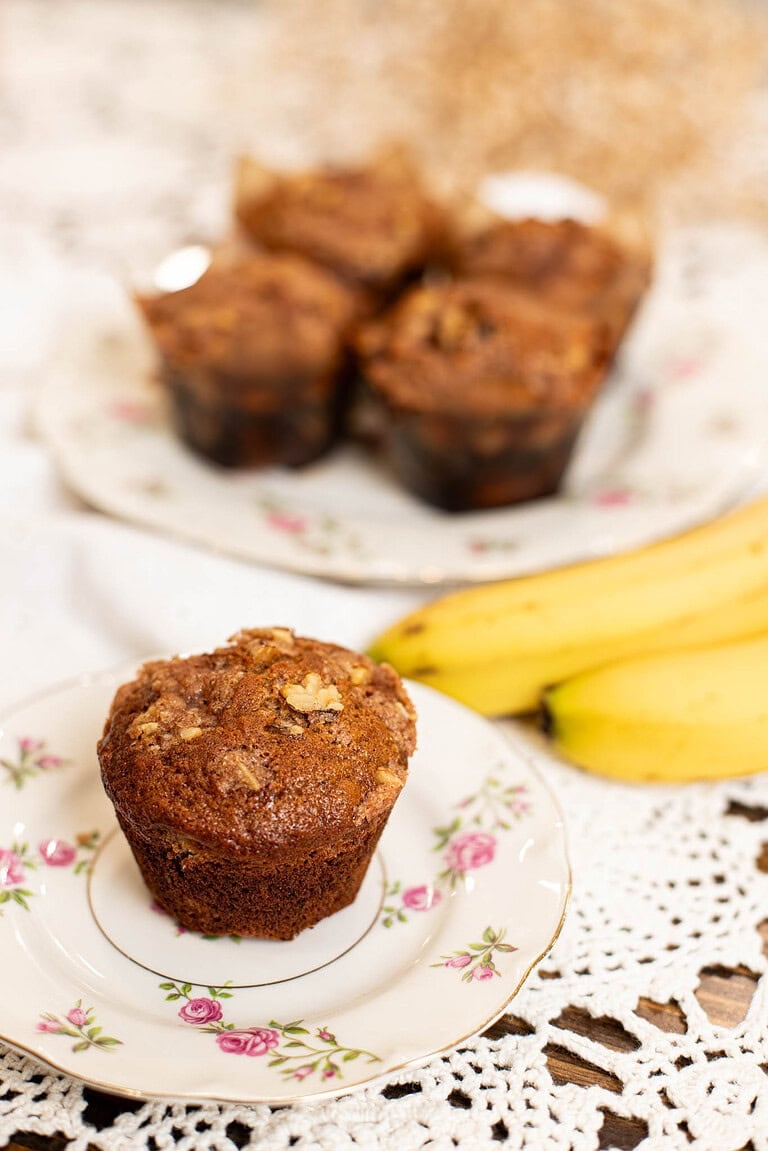

This sourdough puff pastry recipe uses freshly milled soft white wheat and active sourdough discard to build flaky, buttery layers with a subtle tang and deep whole grain flavor.
It works beautifully for sweet hand pies, savory tarts, and fruit-filled pastries, and comes together with cold butter, a short rest between folds, and a fully preheated oven for the best rise.
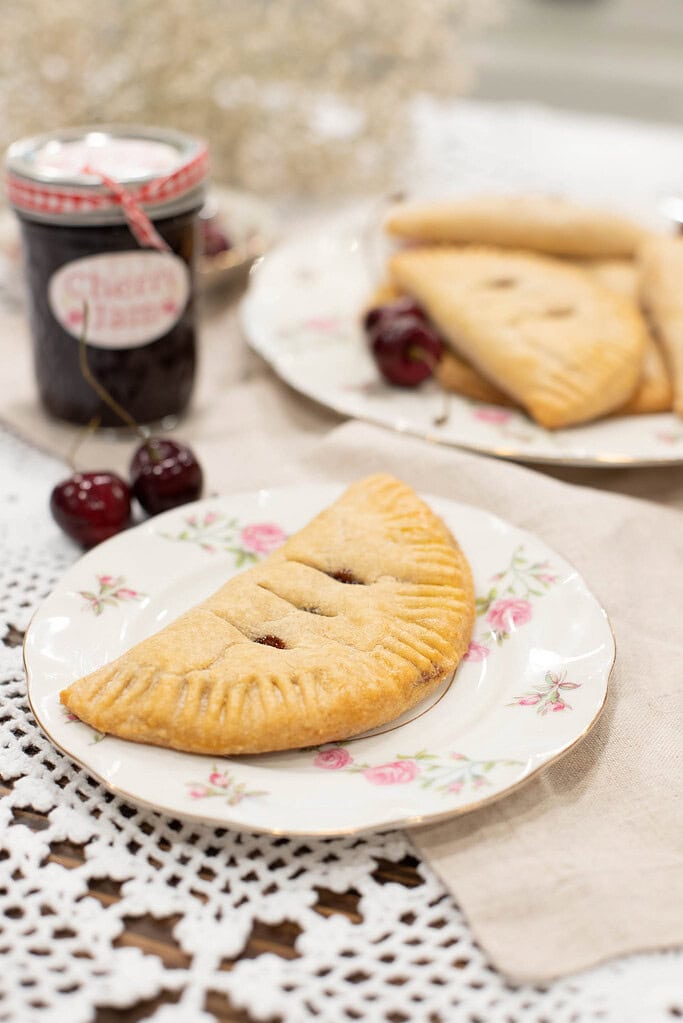
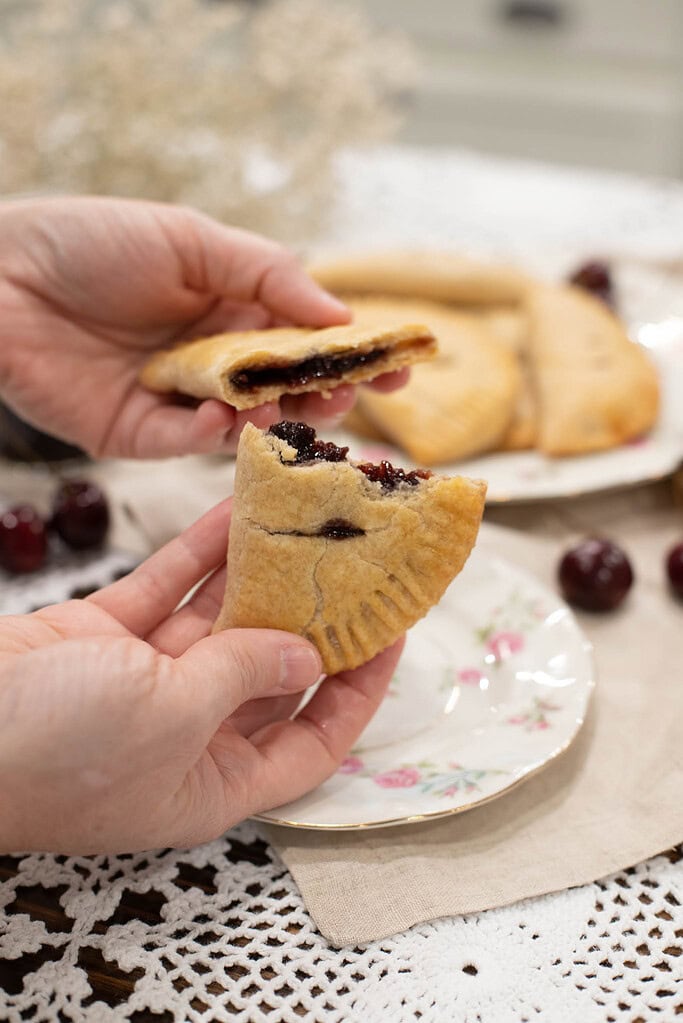
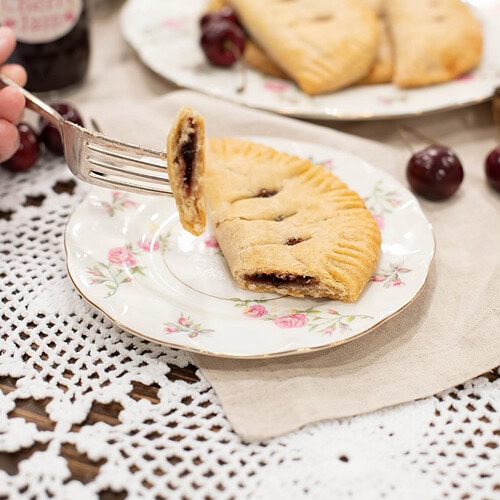
If you love freshly milled flour baking, you might also enjoy Sourdough Cherry Hand Pies with Freshly Milled Flour, , and Fluffy Buttermilk Biscuits Recipe From Scratch.
Did you know you can convert your favorite recipes to freshly milled flour? Learn how to convert recipes and find more fresh flour guides at The Cottage Mill.

The Cottage Mill | Freshly Milled Flour Guides, Recipes, and More Await!
Why You’ll Love This Recipe
Ingredients

Variations & Add-Ins
Recipe Tips
Keep the butter cold – Freeze the butter for at least 30 minutes before grating it into the flour. The colder the butter, the flakier the finished layers.
Rest between folds – Chilling the dough for 20 to 30 minutes between each set of folds keeps the gluten relaxed and the butter layers distinct and tender.
Use gentle hands – Avoid overworking the dough. Light pressure and the lobster claw method preserve the butter pockets that create the signature puff.
Choose the right flour – Freshly milled soft white or soft red wheat brings tenderness and structure with a warm, nutty depth that holds up through lamination.
Cool the flour before mixing – Freshly milled flour warms slightly during grinding and can soften the butter too quickly. Mill and sift the flour first, then allow it to cool before mixing.
Freeze for later – Once laminated, wrap the dough tightly and freeze for up to 2 months. It pulls out ready to roll for pies, tarts, or savory bakes.
Batch and freeze prep bags – Grate the butter ahead of time and mix with flour and salt in individual freezer-safe bags, one per batch. Label with the date and a note that liquid still needs to be added, flatten, and freeze until needed.
Instructions
- Mill the flour – Mill soft wheat berries, adding 30 to 50 percent more grain by weight than the final flour amount needed. Sift through a #60 mesh sieve to remove the bran and achieve a soft, pastry flour-like texture. Allow the flour to cool completely before mixing.
- Grate and freeze the butter – Grate the cold butter using a box grater and place in the freezer for at least 15 to 30 minutes before mixing.
- Combine the dry ingredients – In a large mixing bowl, whisk together the cooled freshly milled flour and fine sea salt until evenly combined.
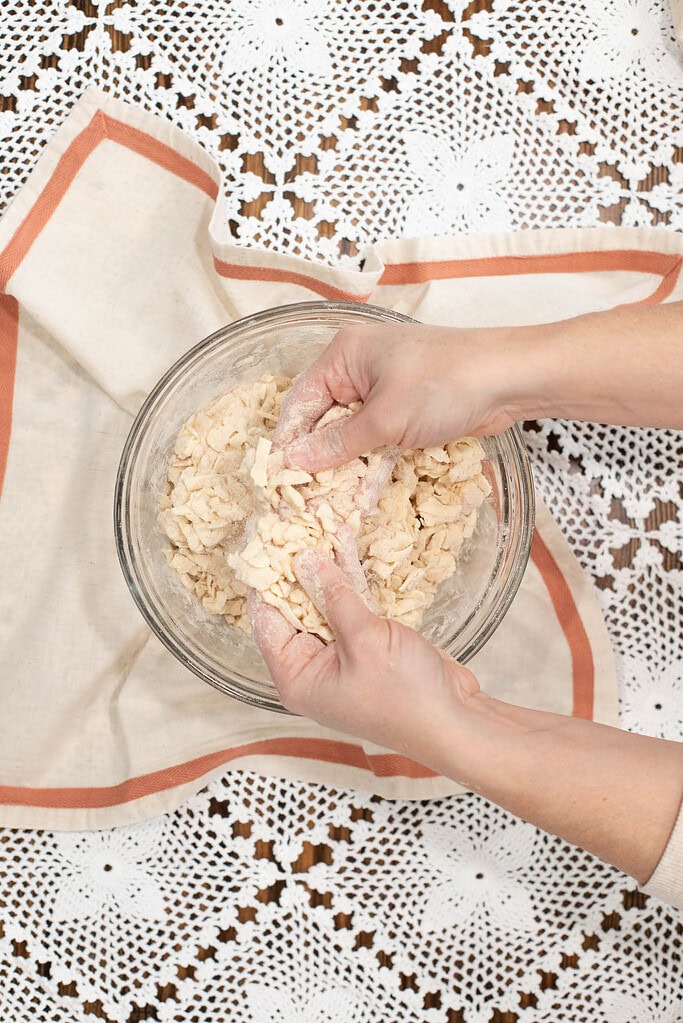
- Cut in the butter – Add the frozen grated butter to the flour mixture and use the lobster claw method to press and lift the butter into the flour with your fingertips. Keep visible butter pieces throughout — do not fully blend.
- Add the sourdough discard – Pour in the sourdough discard and stir gently with a wooden spoon or spatula until a shaggy dough begins to form.
- Add ice water gradually – Drizzle in the ice water one tablespoon at a time, stirring just until the dough holds together. Stop adding water as soon as the dough clumps — you may not need the full amount depending on humidity and flour absorbency.
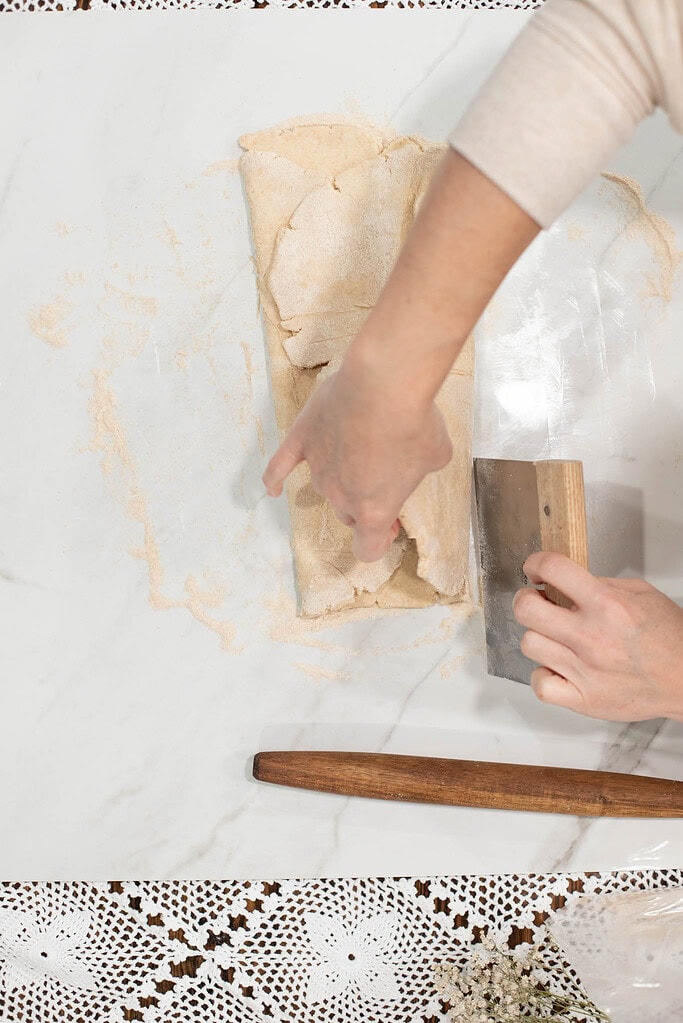
- Form and chill the dough – Turn the dough out onto a lightly floured surface and press into a rough rectangle. Fold in thirds like a letter, wrap tightly in parchment or beeswax wrap, and refrigerate for at least 1 hour.
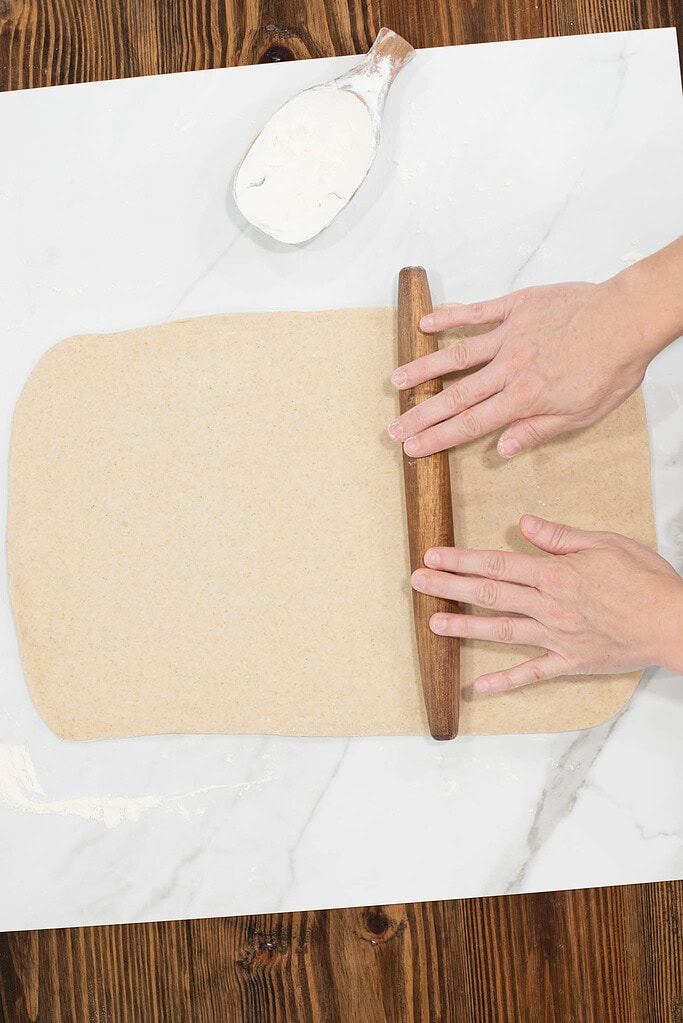
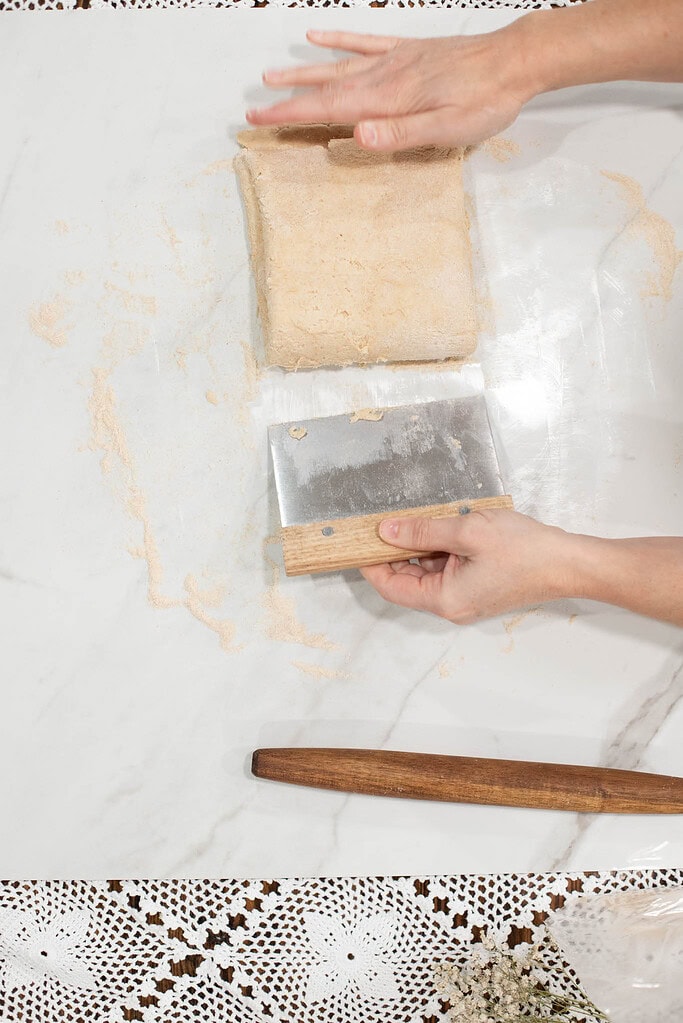
- Laminate the dough – On a cold surface, roll the chilled dough into a long rectangle and fold in thirds again. Repeat this fold and chill process 3 to 4 times total, resting in the refrigerator for 15 to 30 minutes between each set of folds to keep the butter cold and the layers distinct.
- Final rest – After the last fold, wrap the dough well and refrigerate for at least 1 more hour before using, or overnight for the best structure and flavor. The dough keeps in the refrigerator for up to 3 days or in the freezer for up to 2 months.
- Roll and bake – Let the dough rest at room temperature for 5 to 10 minutes until just pliable enough to roll without cracking. Roll out on a lightly floured surface to your desired thickness, cut or fill as needed, and bake in a fully preheated oven for the best rise and flakiest layers.
Storage Suggestions
- Refrigerator – Wrap the finished dough tightly in parchment or beeswax wrap and refrigerate for up to 3 days. The dough is ready to roll straight from the fridge with a 5 to 10 minute rest at room temperature.
- Freezer – Wrap the laminated dough tightly and freeze for up to 2 months. Let it thaw in the refrigerator overnight before rolling, then rest at room temperature for 5 to 10 minutes until just pliable.
- Freeze prep bags – Grate the butter ahead of time and mix with flour and salt in individual freezer-safe bags, one per batch. Label with the date and a note that liquid still needs to be added. Freeze for up to 2 months and add the discard and ice water when ready to mix.
- Baked pastry – Store baked puff pastry in an airtight container at room temperature for up to 2 days. Reheat in a 350°F oven for 5 to 8 minutes to restore the crisp, flaky layers.
- Freezing baked pastry – Freeze baked pastry in a single layer on a baking sheet until solid, then transfer to a freezer-safe container for up to 1 month. Reheat directly from frozen in a 375°F oven for 10 to 12 minutes.
FAQ
Join The Community
Want More Cozy Recipes & Seasonal Inspiration?
Get cozy, from-scratch recipes, seasonal cottage living tips, and slow living inspiration delivered straight to your inbox.
More Fresh Milled Flour Recipes from the Cottage

Sourdough Puff Pastry Made with Freshly Milled Flour
 Prep:25 minutes Cook:0 minutes Chill Time:2 hours
 Equipment
- 1 Glass measuring cup
- 1 Measuring Cups and Spoons
- 1 Mixing Bowl
- 1 Cheese grater or food processor
- 1 Rolling Pin
- 1 Wheat grinder I use a Mockmill 200 Professional for everyday baking, or a WonderMill for bulk milling
- 1 Digital kitchen scale
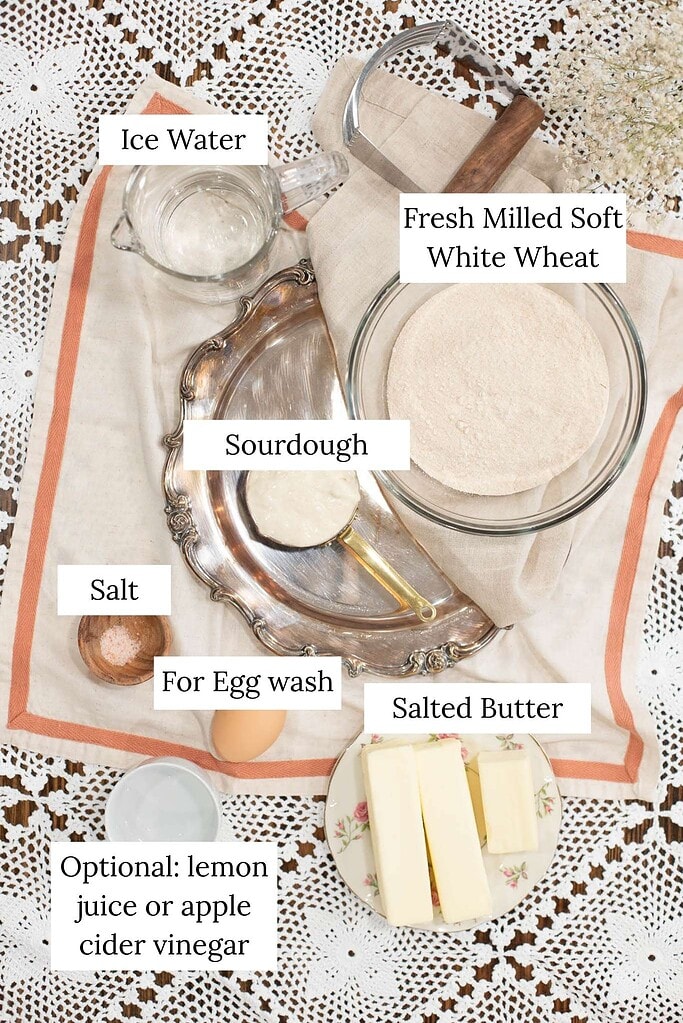
Ingredients
- 2½ cups freshly milled soft white wheat flour sifted, 300 grams
- 1 cup salted butter cold and grated, 226 grams
- ½ cup sourdough discard 120 grams
- ⅓ cup ice water 80 grams
- ½ teaspoon fine sea salt 3 grams
- 1 teaspoon lemon juice or apple cider vinegar optional, 5 grams
Instructions
- Mill the flour – Mill soft wheat berries, adding 30 to 50 percent more grain by weight than the final flour amount needed. Sift through a #60 mesh sieve to remove the bran and achieve a soft, pastry flour-like texture. Allow the flour to cool completely before mixing.
- Grate and freeze the butter – Grate 1 cup (226 grams) cold salted butter using a box grater and place in the freezer for at least 15 to 30 minutes before mixing. Unsalted butter may be used with no other changes needed.
- Combine the dry ingredients – In a large mixing bowl, whisk together the cooled freshly milled flour and fine sea salt until evenly combined.
- Cut in the butter – Add the frozen grated butter to the flour mixture and use the lobster claw method to press and lift the butter into the flour with your fingertips. Keep visible butter pieces throughout — do not fully blend.
- Add the sourdough discard – Pour in the sourdough discard and stir gently with a wooden spoon or spatula until a shaggy dough begins to form.
- Add ice water gradually – Drizzle in the ice water one tablespoon at a time, stirring just until the dough holds together. Stop adding water as soon as the dough clumps — you may not need the full amount depending on humidity and flour absorbency.
- Form and chill the dough – Turn the dough out onto a lightly floured surface and press into a rough rectangle. Fold in thirds like a letter, wrap tightly in parchment or beeswax wrap, and refrigerate for at least 1 hour.
- Laminate the dough – On a cold surface, roll the chilled dough into a long rectangle and fold in thirds again. Repeat this fold and chill process 3 to 4 times total, resting in the refrigerator for 15 to 30 minutes between each set of folds.
- Final rest – After the last fold, wrap the dough well and refrigerate for at least 1 more hour before using, or overnight for the best structure and flavor. The dough keeps in the refrigerator for up to 3 days or in the freezer for up to 2 months.
- Roll and bake – Let the dough rest at room temperature for 5 to 10 minutes until just pliable enough to roll without cracking. Roll out on a lightly floured surface to your desired thickness, cut or fill as needed, and bake in a fully preheated oven for the best rise and flakiest layers.
Notes
Nutrition

Emily Rider
Home miller since 1999 with fresh-milled flour & sourdough experience. Sharing from-scratch recipes and traditional kitchen skills, rooted in the seasons and inspired by everyday cottage living and seasonal rhythms.