

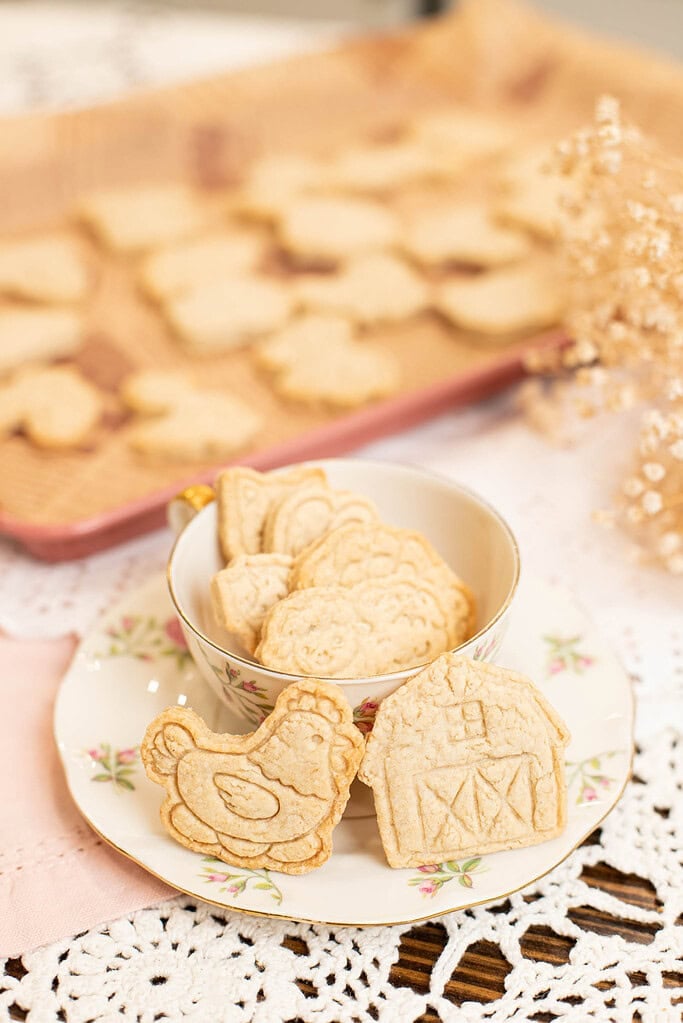
These sourdough animal crackers bakes up lightly sweet with a crisp snap and buttery texture, with a bright hint of lemon flavor that tastes nostalgic like classic circus animal crackers.
The dough comes together with sourdough discard or active starter, a triple blend of all-purpose, whole wheat, and oat flour, and a one hour chill before rolling and cutting into animal shapes.
If you love sourdough baking, you might also enjoy Sourdough Granola | Discard or Starter, Sourdough Discard Pop Tarts Recipe, and Sourdough Banana Nut Muffins | Discard or Starter.
The Cottage Mill | Freshly Milled Flour Guides, Recipes, and More Await!
Why You’ll Love This Recipe
Ingredients
Variations & Add-Ins
Recipe Tips
Chill the dough well – Cold dough rolls cleaner, holds its shape better in the oven, and keeps the edges defined after cutting. If the dough starts to soften while cutting, return it to the refrigerator for 10 to 15 minutes before continuing.
Pay attention to thickness – Crackers rolled too thin can bake hard and dry, while dough rolled just over ¼ inch stays crisp without becoming tough. Consistent thickness also helps control baking time across the whole batch.
Roll evenly – Use light, steady pressure with your rolling pin and rotate the dough occasionally to maintain even thickness. Uneven dough causes some crackers to brown too quickly while others remain pale.
Use flour lightly on the surface – Use enough flour to prevent sticking and stop there. Too much added flour dries out the dough and affects the final texture of the finished cracker.
Bake similar shapes together – Group like-sized cutters on the same pan so they bake at the same pace. Smaller shapes can overbrown quickly if baked alongside larger ones.
Watch the edges, not the clock – Bake until the edges are lightly golden rather than relying only on timing. The centers should look set but not deeply browned before you pull the pan.
Pull them before they look done – The crackers continue to firm up as they cool, so removing them when lightly golden keeps them crisp without becoming hard or dry after cooling.
Cool completely before storing – Let the crackers cool fully on a wire rack so air can circulate underneath. This allows excess moisture to escape and helps set their crisp

Instructions
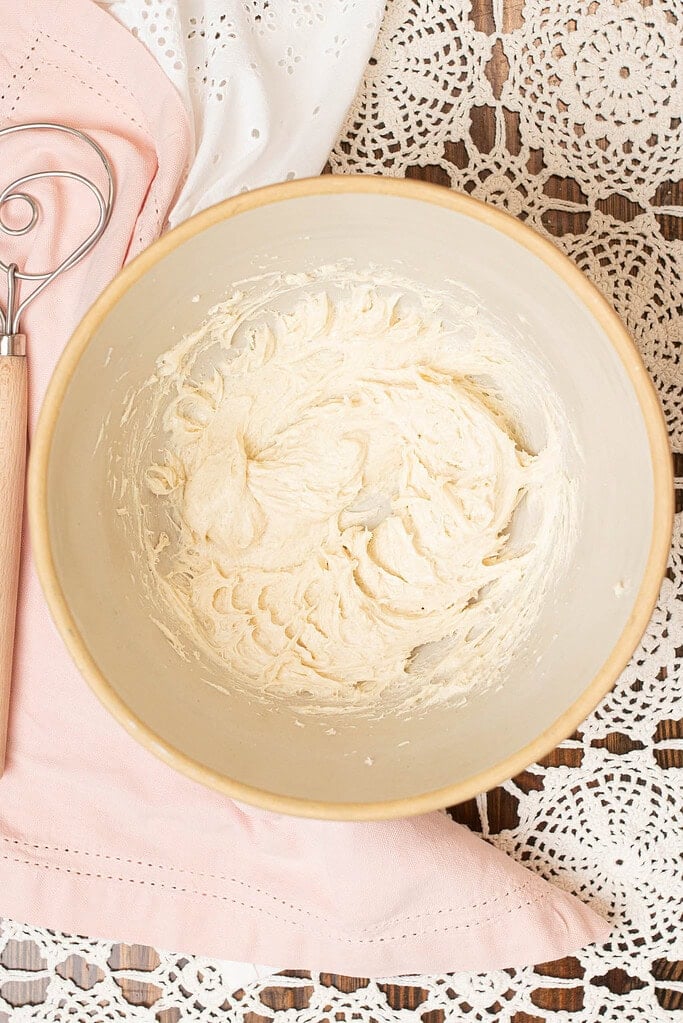
- Cream the butter and sugar – In a large bowl or stand mixer, beat the softened butter and granulated sugar together until light and noticeably increased in volume. Proper creaming creates air pockets that help the crackers bake evenly rather than turning dense.
- Add the extracts and sourdough – Mix in the vanilla, almond, and lemon extracts, then stir in the sourdough discard or active starter until smooth. The mixture should look cohesive and fully blended before the flour goes in.
- Combine the dry ingredients – In a separate bowl, whisk together the all-purpose flour, whole wheat flour, oat flour, and salt until evenly distributed throughout.
- Mix the dough – Gradually add the dry ingredients to the wet mixture and mix until a firm dough forms. Stop mixing as soon as everything comes together to prevent the crackers from becoming tough.
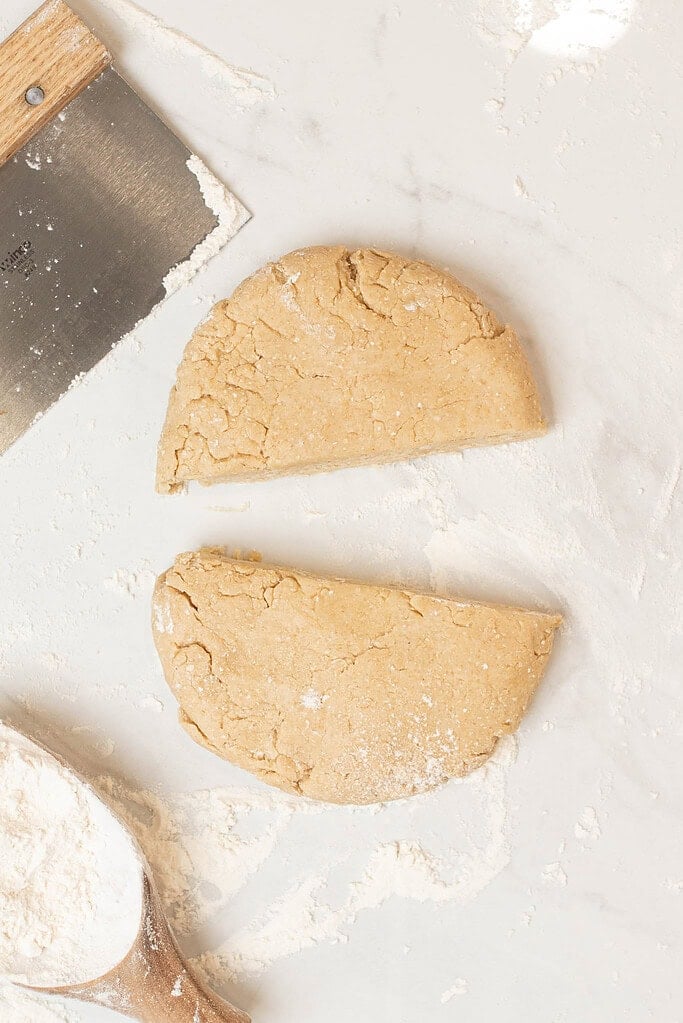
- Chill the dough – Divide the dough into two disks, wrap tightly in plastic wrap, and refrigerate for one hour. Chilling firms the butter, makes the dough easier to roll, and helps the crackers hold their shape during baking.
- Preheat the oven – Preheat the oven to 350°F and line baking sheets with parchment paper.
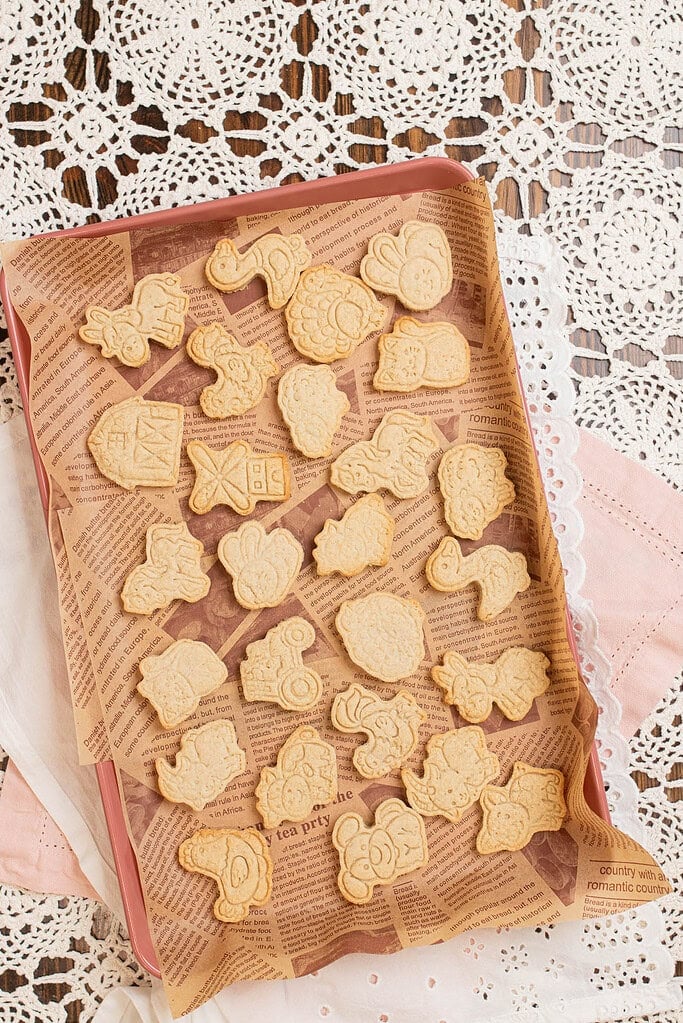
- Roll and cut – Roll one disk just over ¼ inch thick on a lightly floured surface and cut into animal shapes using small cookie cutters. Gather and reroll scraps as needed, keeping the dough cool between batches.
- Bake – Bake for 10 to 12 minutes until the edges are lightly golden and the centers look set. Pull the pan before the crackers look fully done as they continue to firm up as they cool.
- Cool completely – Let the crackers cool for 5 minutes on the pan, then transfer to a wire rack to cool fully before storing so they finish crisping and any excess moisture can escape.
Gifting & Sharing
Storage Suggestions
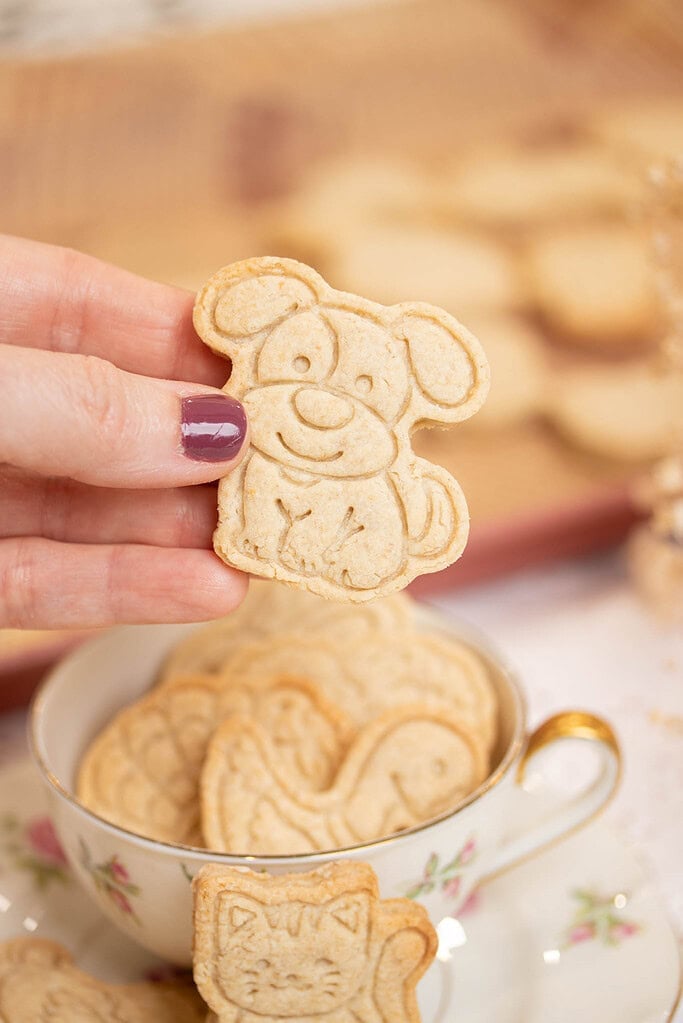
- Room temperature – Store the fully cooled crackers in an airtight container at room temperature for up to 1 week. Make sure the crackers are completely cool before sealing to prevent moisture from softening the texture.
- Lunchbox and travel – These crackers hold their texture well at room temperature and pack well in a small container or zip bag for lunchboxes, snack bags, and travel without losing their snap.
- Freezer – Baked and fully cooled crackers can be frozen in a freezer-safe container or zip bag for up to 2 months. Thaw at room temperature for 20 to 30 minutes before serving.
- Refreshing – If the crackers soften over time, spread them in a single layer on a parchment lined baking sheet and warm in a 300°F oven for 4 to 5 minutes to restore their crispness before serving.
FAQ
Join The Community
Want More Cozy Recipes & Seasonal Inspiration?
Get cozy, from-scratch recipes, seasonal cottage living tips, and slow living inspiration delivered straight to your inbox.
More Snack Recipes from the Cottage

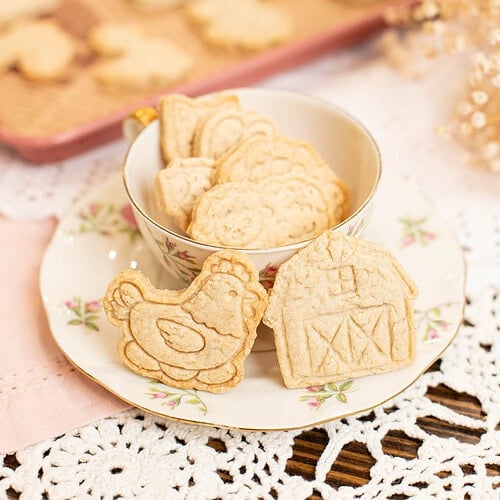
Sourdough Animal Crackers with Freshly Milled Flour
 Prep:15 minutes Cook:10 minutes Chill TIme:1 hour Total:1 hour 25 minutes
 Equipment
- 1 Mixing bowls
- 1 Rolling Pin
- 1 Baking sheet
- Cookie Cutters
- 1 Parchment Paper
Ingredients
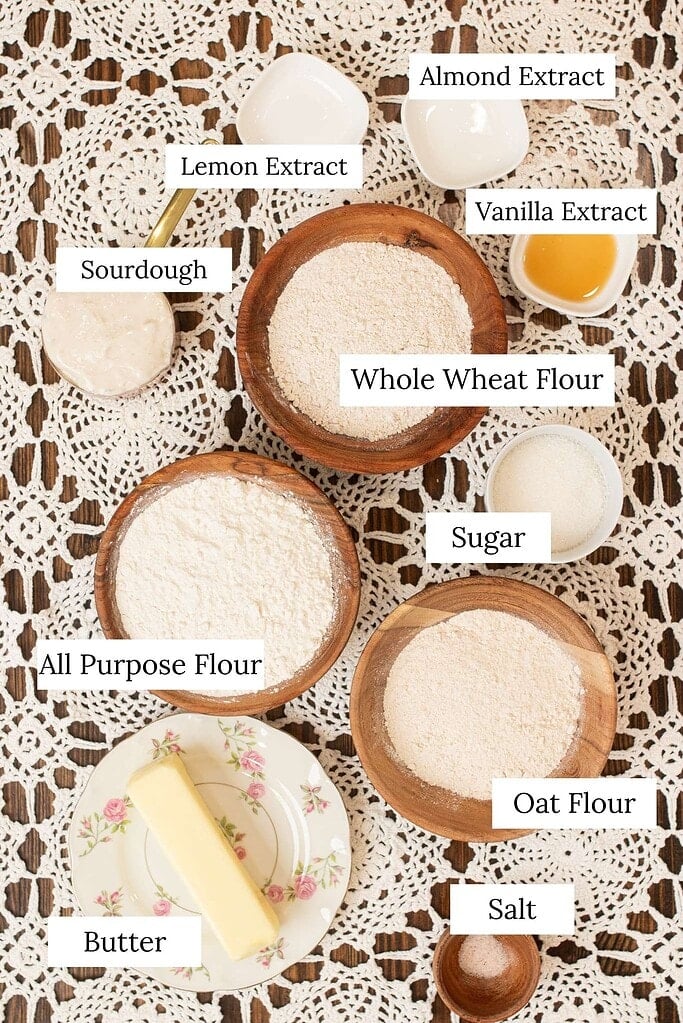
- ½ cup sourdough starter or discard 120–130 grams
- ½ cup butter softened 113 grams
- ¼ cup granulated sugar 57 grams
- 1 teaspoon vanilla extract 4 grams
- ½ teaspoon almond extract 2 grams
- ½ teaspoon lemon extract 2 grams
- 1 cup all-purpose flour 120 grams
- ½ cup whole wheat flour 60 grams
- ½ cup oat flour 60 grams
- ¼ teaspoon sea salt 1.5 grams
Instructions
- Cream the butter and sugar – In a large bowl or stand mixer, beat the softened butter and granulated sugar together until light and noticeably increased in volume. Proper creaming creates air pockets that help the crackers bake evenly rather than turning dense.
- Add the extracts and sourdough – Mix in the vanilla, almond, and lemon extracts, then stir in the sourdough discard or active starter until smooth. The mixture should look cohesive and fully blended before the flour goes in.
- Combine the dry ingredients – In a separate bowl, whisk together the all-purpose flour, whole wheat flour, oat flour, and salt until evenly distributed throughout.
- Mix the dough – Gradually add the dry ingredients to the wet mixture and mix until a firm dough forms. Stop mixing as soon as everything comes together to prevent the crackers from becoming tough.
- Chill the dough – Divide the dough into two disks, wrap tightly in plastic wrap, and refrigerate for one hour. Chilling firms the butter, makes the dough easier to roll, and helps the crackers hold their shape during baking.
- Preheat the oven – Preheat the oven to 350°F and line baking sheets with parchment paper.
- Roll and cut – Roll one disk just over ¼ inch thick on a lightly floured surface and cut into animal shapes using small cookie cutters. Gather and reroll scraps as needed, keeping the dough cool between batches.
- Bake – Bake for 10 to 12 minutes until the edges are lightly golden and the centers look set. Pull the pan before the crackers look fully done as they continue to firm up as they cool.
- Cool completely – Let the crackers cool briefly on the pan, then transfer to a wire rack to cool fully before storing so they finish crisping and any excess moisture can escape.
Video
Notes

Emily Rider
Home miller since 1999 with fresh-milled flour & sourdough experience. Sharing from-scratch recipes and traditional kitchen skills, rooted in the seasons and inspired by everyday cottage living and seasonal rhythms.


Woohoo! Thank you!
Your very welcome!! Happy Sourdough Animal Cracker Baking!!
Woohoo! Thank you!
Your very welcome!! Happy Sourdough Animal Cracker Baking!!
Hi thanks for sharing this recipe. How long would you let it ferment for the dough to have less gluten and for better digestion?
Thanks!
Hi Yesenia, thanks for your question! While a long cold ferment (24-48 hours in the fridge) won’t reduce the actual gluten content, it does help break down some of the gluten structure, making the dough easier to digest for some people. This extended fermentation also enhances the flavor and texture of your baked goods. Let me know if you have any other questions!
Thanks for your reply!
Your very welcome:)!!
Have you ever made it without sugar?
Thank you for your question. While we haven’t made these sourdough animal crackers without sugar, it’s definitely possible to try. The sugar adds a touch of sweetness and helps with browning, but you could replace it with a natural sweetener like honey or maple syrup for a less processed option. Alternatively, you could skip the sweetener altogether for a more savory cracker—perhaps adding a pinch more salt or a sprinkle of herbs to boost the flavor.
If you give it a try, I’d love to hear how it turns out! Let us know if you have any other questions or tweaks you’d like to explore. Happy baking!✨
Hello, could I use maple syrup or honey as an alternative sweetener?
Hi Elizabeth! You can absolutely try using maple syrup or honey as an alternative sweetener. Since these are liquid sweeteners, you may want to add a little extra flour to keep the dough at the right consistency. While we haven’t personally tested this variation yet, we think it would work well and would love to hear how it turns out for you!
If you try it, let us know your adjustments—we’d be happy to note them on our blog for others to enjoy. 😊