
Choosing to mill your own flour is a thoughtful step toward more intentional baking. It means you deeply care about what goes into your bread, how it’s made, and the flavor it brings to your baked goods.
This guide will walk you through how to bake sourdough with freshly milled flour—step by step—so you can bake loaves that are wholesome and flavorful.
And if you are wanting to make your own freshly milled flour sourdough starter learn how to make one here: How to Make A Freshly Milled Flour Sourdough Starter or want to learn how to make a regular sourdough starter read this guide: How to Make a Sourdough Starter | A Beginner’s Guide.
This post may contain affiliate links. Please read our disclosure policy for details.
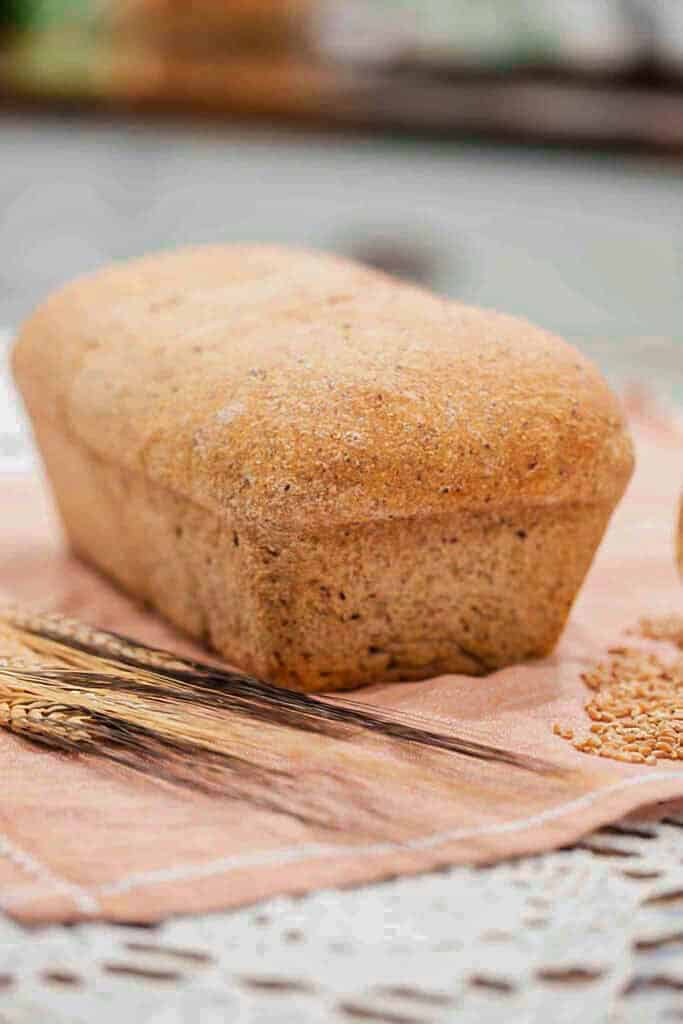
Baking with freshly milled flour isn’t complicated once you understand how it behaves in sourdough. The flour is alive with natural enzymes and oils. It ferments differently, hydrates differently, and rewards you with loaves that are tender, rich, and deeply satisfying to make.
Inside this post, you’ll learn exactly what to adjust, how to work with the dough, and how to bake with confidence using your own freshly milled flour.
Not sure about a term or tool mentioned here? Read this post, How to Mill Flour at Home | A Beginner’s Guide and Glossary Of Terms For Sourdough & Freshly Milled Flour, for quick reference and help.
A Cottage Milling Note
When I think back over my years with sourdough and freshly milled flour, I feel deeply grateful. I learned to shape loaves at my grandmother’s side as a little girl, and later, as a wife and mother, I found my own rhythm baking sourdough with freshly milled flour in our cottage kitchen.
Everything you’ll find here on The Modern Day Cottage comes straight from that lived experience.
Every recipe is tested exactly as written, every photo is taken in my own kitchen, and every guide reflects more than 25 years of hands-on milling and baking.
My hope is that what I’ve learned over decades of slow, real baking helps you skip the trial-and-error and find joy in the process sooner.
This blog has been a dream come true, and it’s an honor to pass along everything I’ve learned — so you can bring fresh flour, sourdough, and a slower rhythm of living into your own home with confidence.
Why You’ll Love This Guide
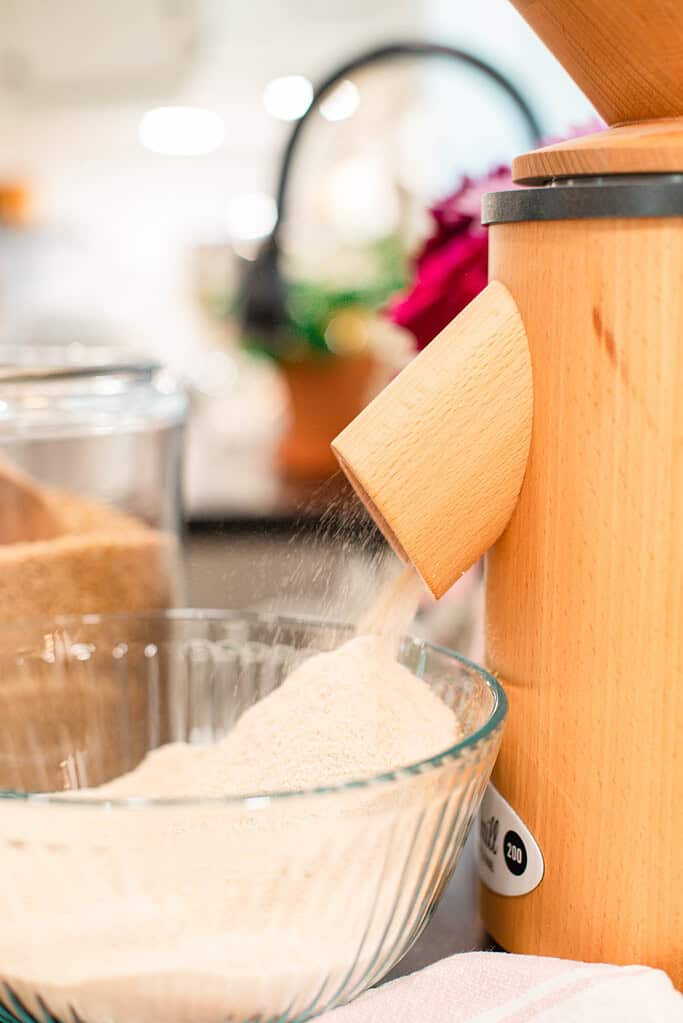
What Is Freshly Milled Flour?
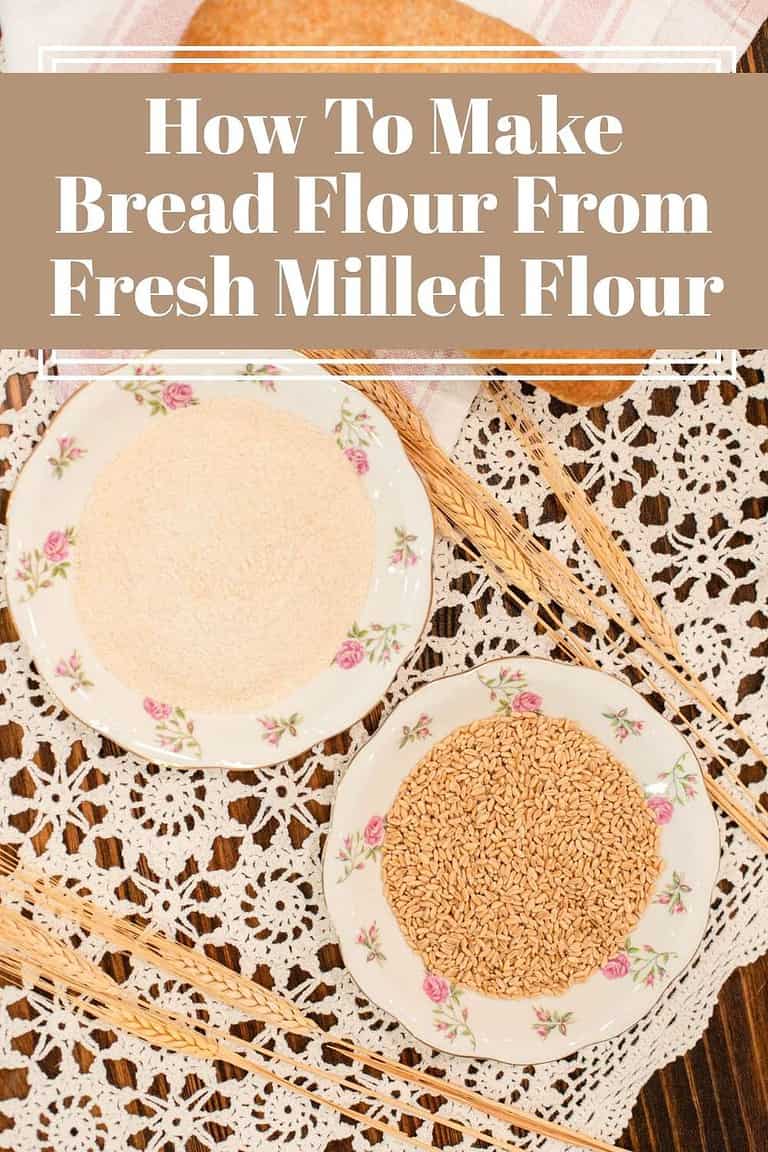
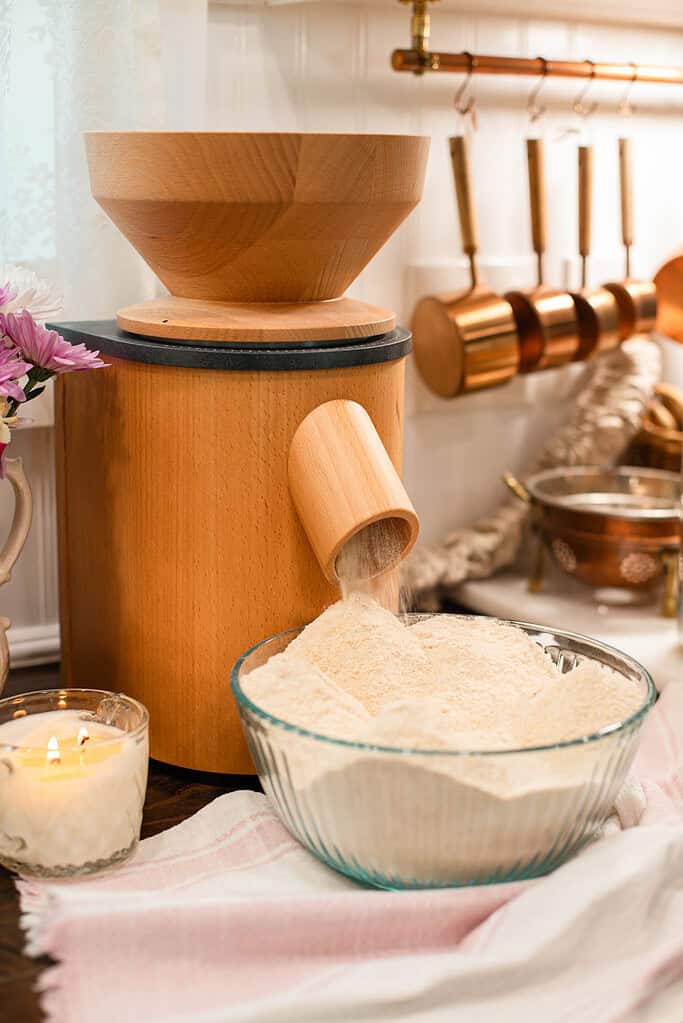
Freshly milled flour is whole grains, like wheat berries, ground at home just before baking. Because it hasn’t been processed or sitting on a store shelf, it keeps its natural oils, aroma, and texture, which makes it feel more alive in your dough.
You’ll notice it behaves differently than bagged flour. It absorbs more water, ferments faster, and gives your sourdough a rustic, full-bodied character that feels homemade in the best way.
It can take a little time to adjust, but once you learn its rhythm, you’ll find it brings a deeper connection between the grain in your jar and the loaf on your table.
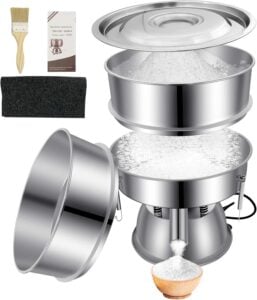
Some bakers prefer to sift out larger bran pieces, while others use the flour exactly as it is. There isn’t a wrong approach here, only what works best for your kitchen and your bake. To learn more about sifting read this guide: How to Sift Freshly Milled Flour | When & Why It Matters.
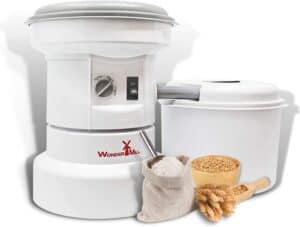
If you’re just getting started, you can these guides to learn more: Tools for Milling Flour at Home | Mills, Mixer, & More can help you set up, and Best Whole Grains to Mill for Baking Bread & More ,will give you a clear idea of which grains work best for different bakes.
Tips for Sourdough & Fresh Milled Flour Challenges
Hydration feels tricky – Freshly milled flour absorbs more water than bagged flour. Start with a slightly higher hydration than usual, and give the dough time to rest so the flour can fully absorb the liquid before you shape or mix again.
Fermentation moves faster – Whole grain flour is naturally active, so your dough will often rise more quickly. Watch the dough, not the clock, and be ready to shorten bulk fermentation if things are moving fast.
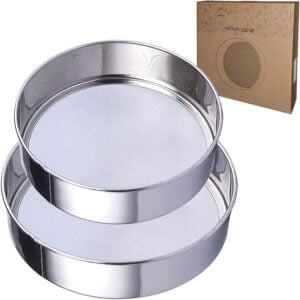
Loaves feel dense – Because fresh flour contains the bran and germ, it can weigh your dough down. Try sifting part of the flour through a fine sieve (#40 or #50), or blend in a little store-bought flour while you learn.
Replacing all-purpose flour – You can swap all-purpose for freshly milled flour, but expect a change in texture. All-purpose is softer and more refined, while fresh flour brings a heartier flavor and structure. Adjust hydration and fermentation times to fit your bake.
Avoiding beginner mistakes – The most common hurdle is treating fresh flour exactly like store-bought. Instead, think of it as its own ingredient. Give it more water, expect a quicker rise, and don’t be afraid to experiment as you get comfortable.
Note: If you’re new to baking sourdough, begin with a strong, healthy starter — it’s the heart of every successful bake. You can use a traditional starter made with store-bought flour or a lively one built from freshly milled grain. To learn how, explore these two step-by-step guides: How to Make a Sourdough Starter | A Beginner’s Guide and for a freshly milled flour starter: How to Make A Freshly Milled Flour Sourdough Starter.
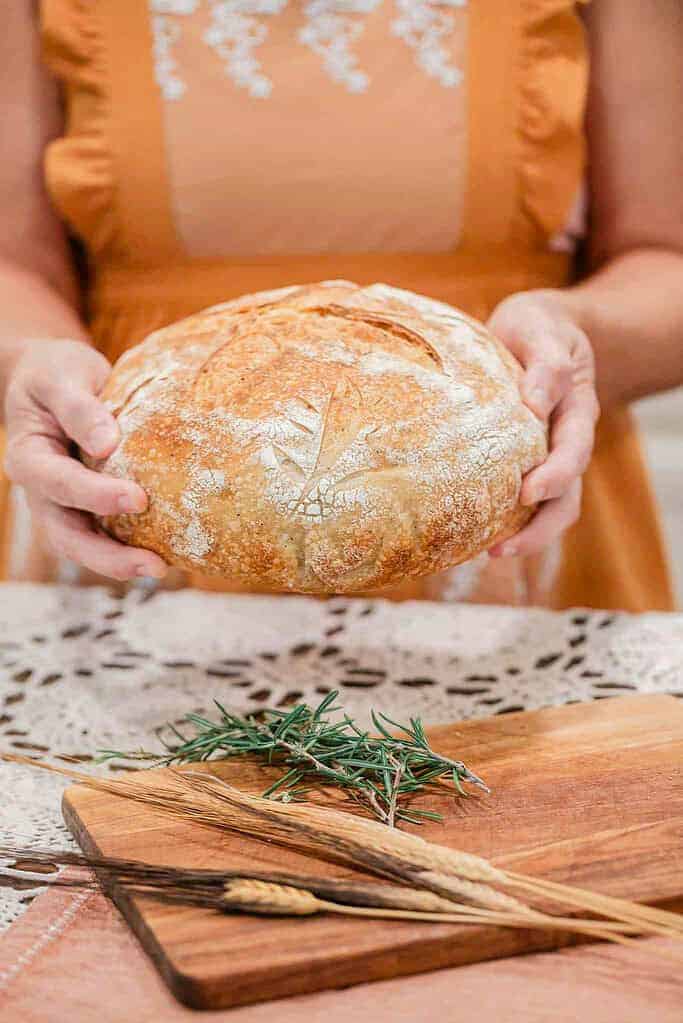
How to Use Sourdough with Freshly Milled Flour
If you’ve only baked with bagged flour before, freshly milled flour will feel like a whole new ingredient. It’s full of natural oils and textures that make your dough ferment faster and absorb water differently. You may need to adjust your process a little, but the results are absolutely worth it.
- Try sifting (or not) – Using a fine sieve (#40 or #50) can remove the largest bran pieces that sometimes cut into the gluten structure. Don’t toss the bran — it’s wonderful for dusting banneton baskets, coating loaves, or stirring into muffins and pancakes. As you gain confidence, you may find you prefer skipping the sifting altogether, especially for rustic or whole-grain loaves.
- Consider a soak – If you’d rather not sift, soften the bran by soaking the flour with warm water before mixing your dough. This makes the flour easier to handle and helps you achieve a more consistent hydration.
- Add salt early or after autolyse – Some bakers hold off on adding salt, believing it slows fermentation, but it actually depends on your dough and timing. Salt naturally tightens gluten and steadies fermentation, giving you a dough that’s easier to handle and less likely to overproof — especially with freshly milled flour. You can add it early to build structure from the start or wait until after your autolyse for a gentler rise. Either way, find the rhythm that fits your kitchen and your dough’s personality.
- Expect faster fermentation – Whole grains bring extra life to your dough. Don’t be surprised if bulk fermentation moves more quickly than you’re used to. Focus on watching your dough’s texture and rise, not the clock, to build strength and volume with confidence.
A little note
If you’d like more guidance on balancing hydration or adapting your recipes, read How to Convert Recipes to Freshly Milled Flour. It walks you through how to make any recipe work beautifully with your home-milled flour.
Low-Maintenance Refrigerator Starter Routine (No Waste)
This low-maintenance refrigerator starter routine was passed down from my grandmother, and I’ve kept it going in my own kitchen ever since. It’s a steady, no-waste method that keeps your starter strong without daily feedings — and now, I’m passing it on to you.
Equipment for Baking Sourdough with Fresh Milled Flour
Here are the basics you’ll need to get started. If any of these terms feel new, check out this resource: Glossary Of Terms For Sourdough & Freshly Milled Flour
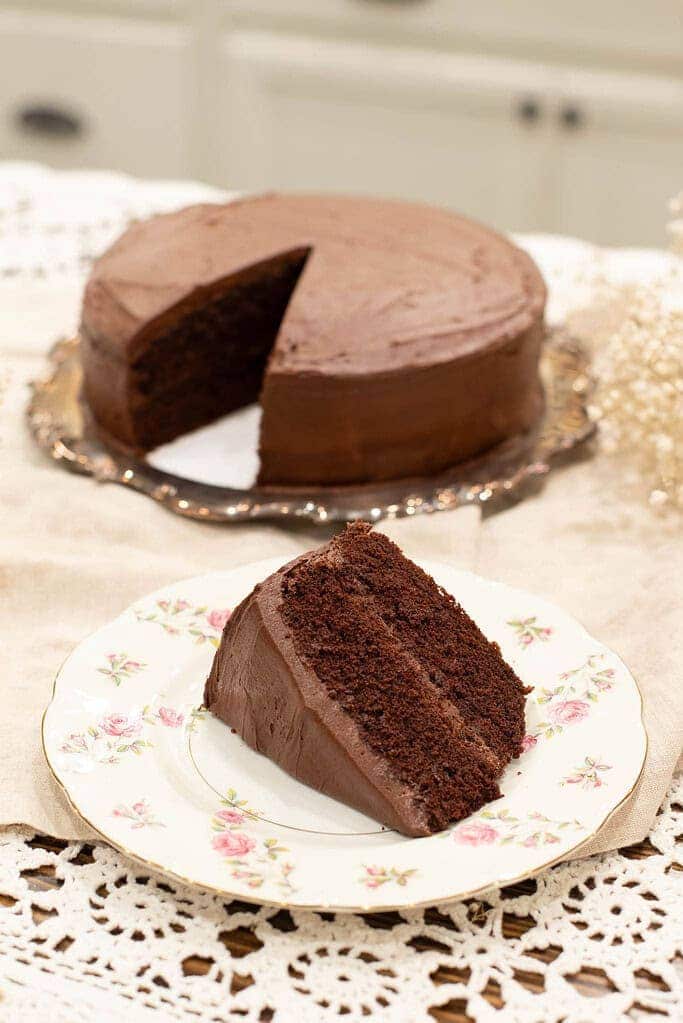
Sourdough Recipes for Freshly Milled Flour
Freshly milled flour brings warmth, depth, and life to both sweet and savory bakes. These recipes are reader favorites from my own kitchen — tested, loved, and shared by home bakers learning to bake with fresh flour.
Cottage Miller’s Note
Baking sourdough with freshly milled flour is a rhythm — one that blends patience, curiosity, and the quiet satisfaction of watching something living rise in your own kitchen. Every loaf you bake brings you a step closer to understanding your grain by heart.
If you’d like to keep learning, you’ll find a full collection of milling and baking tutorials inside The Cottage Mill. From where to buy wheat berries to how to store, sift, and troubleshoot, the series includes fifteen step-by-step guides that walk you through every part of the process — from grain to golden loaf.
Don’t forget to pin this for later!
FAQ
Step into The Cottage Mill: Freshly Milled Flour Guides, Recipes, and More Await!

Cottage Living Newsletter
Join the Cottage Living Community
Seasonal recipes, cozy cottage projects, simple from-scratch living, and gentle inspiration for homemakers who crave a slower rhythm rooted in home and heart.
More Freshly Milled Flour Guides
Thank you for spending time with me here at The Modern Day Cottage. My hope is that each guide helps you mill and bake with more confidence. May your jars be ever full, and your loaves rise high.
With love & gratitude,
Emily
Did you liked this Fresh Milled Flour guide?
If you learned something valuable, I’d be so grateful if you would share with others. Use the buttons below to share, comment, or connect—I truly enjoy seeing and celebrating your fresh flour journey.

Emily Rider
Cottage lifestyle blogger and home miller with 25+ years of sourdough and fresh-milled flour experience.
Sharing cozy homemade recipes that help you bake with confidence, celebrate each season, and savor the beauty of everyday cottage living.